
Govt lab tasked with monitoring quality of Thai kratom products
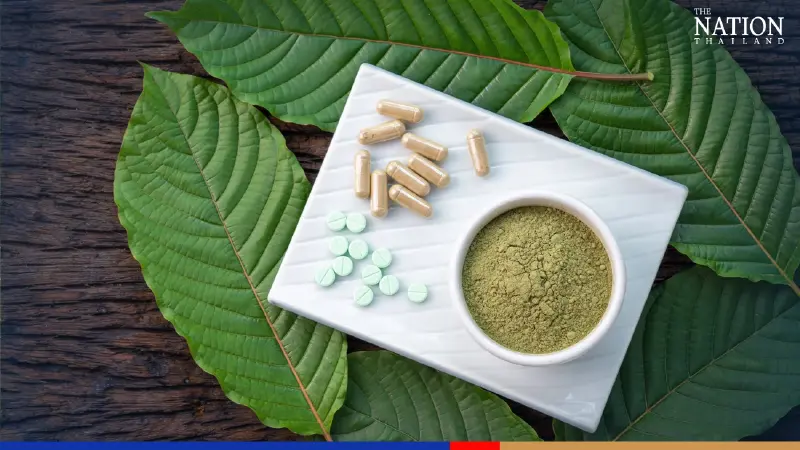


The Agriculture Ministry has decided to get kratom products checked at the government-owned Central Lab Thai before they are shipped out.
Sakul Kiatjeeravirat, an adviser to the agriculture minister, said a stamp of approval from the Central Lab would add value to exported kratom products and ensure importers of the quality.
He added that the Agriculture Ministry is helping farmers grow kratom (Mitragyna speciosa) so it can be turned into herbal products for export. The herb, which has stimulating properties, has been removed from the national narcotics list.
He said kratom could become a new cash crop, generating a lot of income for the country as the active substances in the leaves can be used in medical products, cosmetics, food and beverages.
Sakul said the Agriculture Ministry has assigned the Central Lab to check the quality and amount of extract used in the products. He added that the lab has the precision tools required for the job and that importers had recently visited the lab to observe the process.
Sakul said the ministry will soon launch a system of random checks, so kratom products can get a certificate of analysis.
The lab’s managing director Chakrit Tiebtienrat said they had acquired new equipment this year in response to the rising demand for quality checks on herbal, ganja, hemp and kratom products.
He said the lab could check the level of mitragynine and 7-hydroxymitragynine in leaves before the substances are extracted for use in medical products or in food or drink.
The Central Lab Thai was set up on June 17, 2003, under a Cabinet resolution. The Finance Ministry owns 49 per cent of the lab, while the rest is owned by the Office of SMEs Promotion under the PM’s Office.
Rikruelee Jeweh, the chief business adviser for Deena Farm Co Ltd, said his firm has been monitoring the government’s policies regarding kratom with interest because the demand for the leaves is high in the Middle East.
At present, only Indonesia and Malaysia have been exporting kratom to the Middle East, but now that the herb has been decriminalised here, Thai exporters can also enter the market.
He said Thai kratom is loaded with the active ingredient mitragynine, which will boost its demand in the Middle East.
