
Pita's T.H.A.I approach and what more can be done to promote tourism


Mingsap Kaosaad Special to The Nation
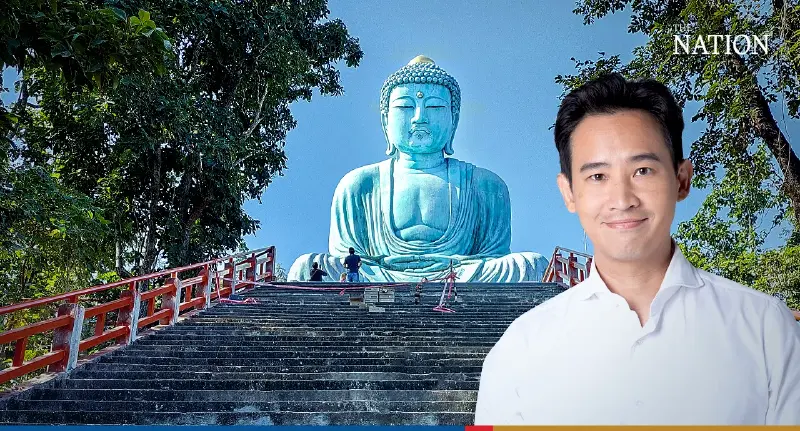
After the Tourism Authority of Thailand proposed that main prime minister contender Pita Limjaroenrat serve as the Thai tourism ambassador, Pita made a post on Instagram outlining his goals to promote Thai tourism, with the abbreviation "T.H.A.I":
Tranquil: This refers to slow and relaxed tourism, targeting the new generation, including lifestyle tourism. Pita named Nakhon Si Thammarat as the target province for this group.
Homestay: This involves engaging with local communities and distributing income to communities and regions throughout the country.
Adventure: This highlights mountain climbing and other interesting provinces, such as Krabi, Chiang Mai, Lampang, Kanchanaburi, and Lopburi.
Indigenous: This involves experiencing the culture, cuisine, and craftsmanship of various ethnic groups in Thailand.
These goals are likely to please tourism entrepreneurs, especially small and medium-sized businesses, as they align with the preferences and lifestyles of the new generation.
Furthermore, Pita also proposed distribution of vouchers to promote tourism in secondary cities, such as Phrae, Mae Hong Son, Satun, Phatthalung, and other minor cities.
However, I would like to propose tourism promotion policies and objectives that the next government should adopt, also using the T.H.A.I. abbreviation.
Trust: This refers to trustworthy tourism, or responsible tourism, which ensures the well-being, safety, and security of tourists.
During periods when Thailand receives a large number of tourists, such as in 2019, it is evident that our main provinces face considerable challenges in environmental management and safety, particularly the safety of tourists, including incidents such as boat accidents in Krabi.
Hygiene: This involves managing an environment that promotes good hygiene, ensuring clean and safe food services from street food vendors to street foods.
If tourists require medical services, or beauty enhancements, gender change surgeries, it is necessary to ensure that the services provided meet international safety standards.
Aegis of tourism environment: Aegis means protection. This refers to protecting the environment from commercial tourism that impose burdens on society and shift such burden to those who do not benefit from tourism.
The government may use taxes, such as land taxes, or cross-border taxes, and allocate the revenue from these taxes to conserve the environment, including solving waste problems in tourist cities, which require substantial budget allocations.
This is especially crucial for small organisations, such as local administrative organisations responsible for managing tourist attractions that tourists frequently visit, such as Chiang Khan district in Loei province.
Inclusive: This refers to tourism that brings overall enjoyment, distributed from major cities to secondary cities, small towns, and various communities, allowing the public to participate in and benefit equally from tourism.
Income should not be concentrated, or unfairly distributed to specific groups, and the government's policies should ensure equal opportunities for all groups.
Currently, more than 70% of income from tourism is concentrated in Bangkok and four other major tourist provinces. The government's "Travel Together" policy has set a high price for rooms at 3,000 baht per night in order to stimulate the economy. As a result, the government is allocating funds to support large hotels and foreign hotel chains instead of distributing the majority of the budget to Thai-owned and local 2- to 3-star type of hotels.
Promoting secondary city tourism to distribute income more evenly is a valid direction. However, the limitation lies in the lack of public transportation in these secondary cities. Therefore, it is necessary to accept the involvement of private car rental services such as Grab to address logistics issues in secondary tourist provinces.
Since secondary cities often have very few tour companies and car rental companies, it is also important to have a policy that supports motor tourism and establishes rest areas with cleanliness standards in line with the Ministry of Public Health's criteria. Furthermore, it should encourage communities to sell local products that represent the uniqueness of the region.
All of these goals and important missions are necessary for the new government, regardless of who becomes the prime minister.
(Professor Dr Mingsap Kaosaad is chairman of the Public Policy Studies Institute Foundation)
