
Law academic urges ‘no vote’ ballots to remove bad politicians
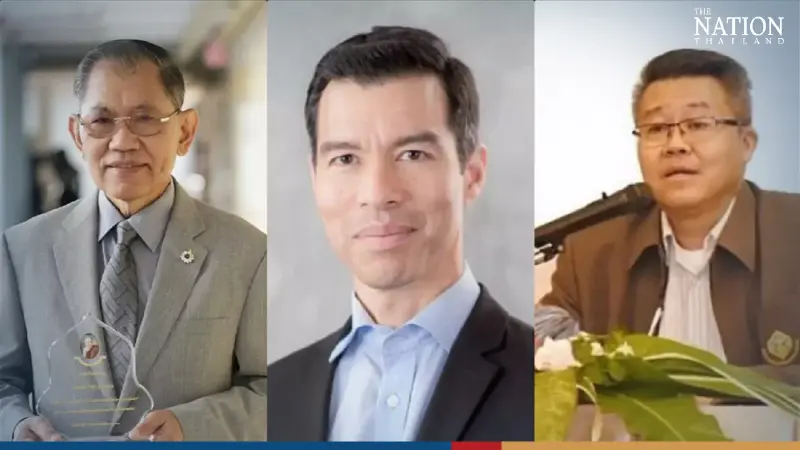


A well-known law academic on Wednesday urged voters nationwide to mark “no vote” on ballots for the May 14 election for a clean start to Thai politics.
Speaking at a seminar, Jade Donavanik alleged that the upcoming election is being contested mostly by “bad politicians”, so voters should tick the “no vote” option.
He said if the “no-vote” ballots are higher than the number of votes candidates receive, the “bad politicians” would be eliminated from Thai politics for good and a subsequent poll would be contested only by good ones.
Jade is a former adviser to the Constitution Drafting Committee. He is now dean of the Faculty of Law at Dhurakij Pundit University.
He was speaking during a seminar titled “Peoples’ right to monitor against corruption”.
The seminar was held jointly by the Senate committee on human rights, liberty and consumer protection and the Senate foundation to promote suppression and prevention of corruption.
“If the people mark “no-vote” on their ballots, and the “no-vote” results are overwhelming, big names of each party would be eliminated and the parties won’t know how to handle it because it won’t be like their party was being dissolved,” Jade said.
“Political parties will have to field new candidates but they would have almost run out of funds in the first election. At that time, the politicians will really kowtow to the people.”
Jade said this method would allow the people to use constitutional measures to punish bad politicians.
“This kind of smart voting would be the beginning of the people using the charter mechanisms to check politicians,” Jade added.
Pol Major Nattawat Sangiamsak, deputy secretary-general of the Office of the Election Commission, said if voters see that there are no good candidates, they can mark the “no vote” option on both constituency and party-list ballots.
Nattawat said voters do not have to fear their “no vote” would be known by canvassers.
Speaking at the same seminar, Wicha Mahakhun, dean of Rangsit University’s Faculty of Law, said there should be measures to protect the civil sector from a libel lawsuit if the people come out to expose corruption.
Wicha said bad politicians are often elected because there is no effective system for the people to monitor and check their performances.
