
Cambodia steps up lobbying for Trump ceasefire call
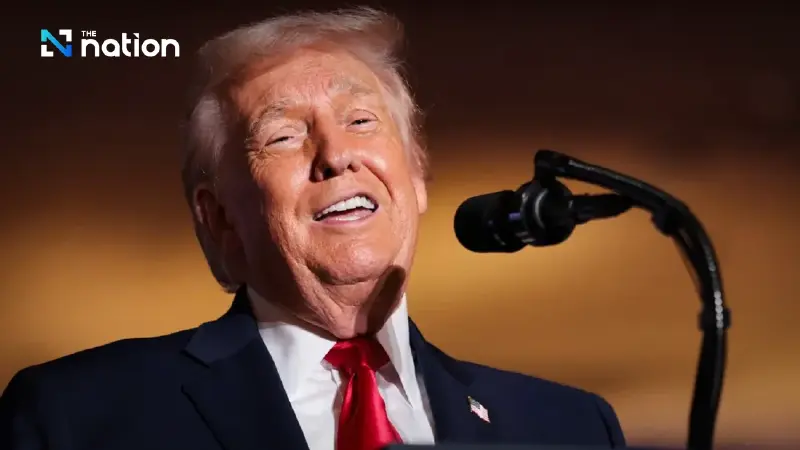


Cambodia is quietly ramping up lobbying in Washington to push Donald Trump to demand a Thai ceasefire, fearing a long war could erode Hun family power

Kritsada Boonruang, an independent scholar, said Phnom Penh has hired professional lobbyists and tapped military figures with close personal ties to Prime Minister Hun Manet to press Trump’s inner circle for an immediate ceasefire call.
“The faster, the better – that is the message,” Kritsada said, adding that this push reflects concern in Phnom Penh that Cambodia’s battlefield disadvantage in the latest round of clashes could undermine the stability of its leadership.
He described a direct phone call from Trump demanding an immediate halt to hostilities as “Cambodia’s most urgent priority today”, reflecting pressure from the Cambodian leadership across multiple channels in the United States.
Thailand lets the White House clock tick
On the Thai side, Kritsada noted, there has been no comparable use of professional lobbyists to shape Trump’s response. Instead, Bangkok appears content to let the White House process move at its own pace — a delay which, he argued, works in Thailand’s favour.
“The longer it takes each day, the stronger Thailand’s security position becomes,” he said, referring to what supporters of the Thai side see as growing battlefield leverage and the prospect of more favourable conditions in any future talks than in the previous round of negotiations.
Pro-Thai voices argue that the current conflict presents a “golden opportunity” for the Royal Thai Armed Forces, which they say have learned lessons from earlier clashes, refined their tactics and demonstrated clearly superior capabilities. This, they claim, is evident in territorial gains and the ability to enforce boundary lines long hoped for but never previously achievable.
A three-minute test for Anutin
Politically, some observers see this moment as a critical turning point for Prime Minister Anutin Charnvirakul.
They argue that a single three-minute phone call with Trump could become a defining test of Anutin’s leadership — especially if he can:
- robustly present evidence that Thailand did not initiate the fighting and did not breach the Kuala Lumpur peace understandings,
- portray Thailand as the injured party responding to Cambodian violations, and
- repeatedly stress Thailand’s role as a committed partner in combating transnational crime, a key pillar of current US policy.
If framed effectively, Kritsada suggested, such a call could both improve Thai–US relations and help Thailand avoid punitive US tariffs, while also boosting Anutin’s domestic standing ahead of a general election due in a few months.
Risks of misreading Trump
At the same time, he warned of serious risks if the Thai side mishandles the optics of the call.
Bangkok must avoid any appearance that the Thai prime minister is downplaying or challenging Trump’s influence, he said, especially with a planned visit to China coming up in April. A perceived slight could damage Thailand’s image in Washington and unsettle the wider regional balance.
Kritsada cautioned that if Trump interprets Thailand’s stance as a lack of respect, it could trigger retaliatory measures — from tariff moves targeting Thai exports to adjustments in military cooperation, an area where Thailand remains heavily dependent on the United States, particularly in terms of air power.
He added that other countries in the region would be watching closely. If Thailand is seen to “push back” successfully without consequences, it could encourage similar behaviour elsewhere — a scenario that may further sharpen Trump’s reaction if he feels his authority has been tested.
