
Japan declares ‘Fish Days’ to reel in plummeting seafood consumption
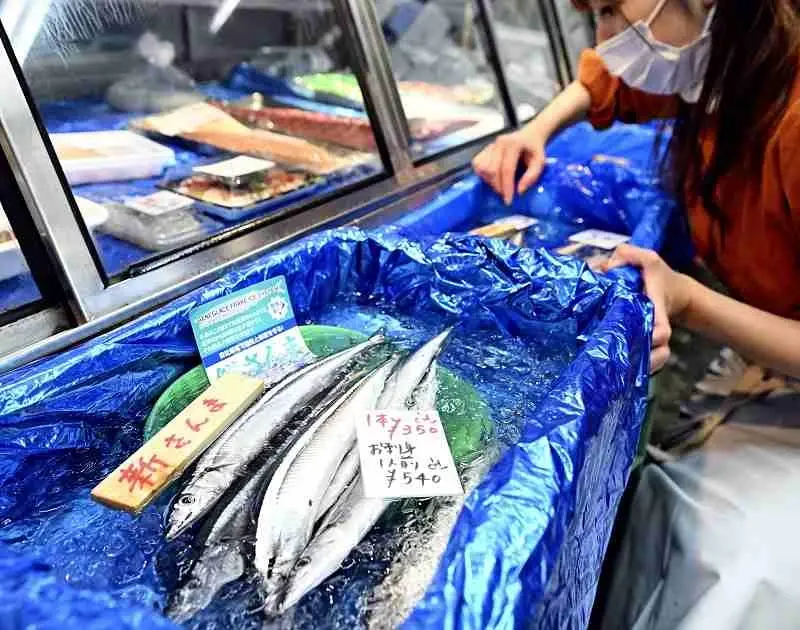


Japan has designated four days per month as “Fish Days” in a bid to reverse falling sales of the island nation’s staple food.
Japanese consumers are losing their taste for seafood as diet trends change, piling pressure on the country’s huge fisheries industry.
Fish consumption has plummeted in Japan over the past 20 years as meat consumption rises.
The average seafood consumption per person in Japan fell 60 per cent between 2001 and 2021, from 40.2 kilograms to 23.2 kilos.
For “fish days” on the third to the seventh of each month, the Fisheries Agency has teamed up with more than 600 companies and organisations to increase seafood consumption.
Companies are releasing new seafood-related products and opening fish restaurants.

On November 1, Kikkoman Corp launched an eatery called Fish a Week in Tokyo, the company’s first seafood eatery.
Kikkoman said it wants to promote a healthy diet for people by offering a wide menu of Japanese, Western and Chinese dishes using the company’s own ingredients including soy sauce, soy milk and tomato products. It also plans to sell bento box lunches featuring fish from a food truck.
Food manufacturers have also launched new fishy initiatives.
In September, Suzuhiro Kamaboko, producer of the famed kamaboko fish cakes in Odawara, Kanagawa Prefecture, released a product called the Fish Protein Bar. The bars offer a tasty and nutritious snack and aim to boost fish consumption as well as health.
Supermarket operator Aeon Retail Co has stepped up sales of fish-cooking sets and devoted 50% more of its sales floor to seafood products derived from environmentally friendly fisheries and aquaculture.
Convenience store operator FamilyMart Co also plans to increase the number of side dishes with fish, such as grilled sablefish marinated with miso paste.
The Japan Times
Asia News Network
