
Indonesia and US seal tariff deal, with nickel access in return for exemptions
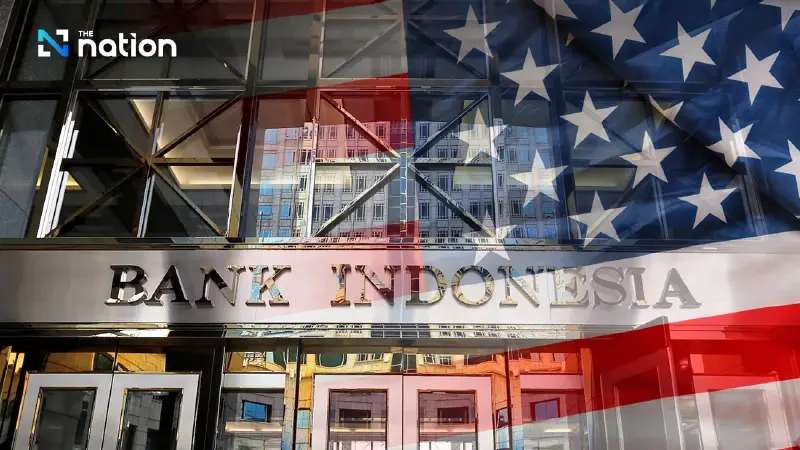


Indonesia and the United States say they have finalised a tariff deal, granting exemptions for key exports while Washington gains access to strategic minerals such as nickel.
Indonesia and the United States have reached a tariff agreement, under which Washington will grant tariff exemptions for several key Indonesian commodity exports, Nikkei Asia reported.
The two sides intend to sign the agreement formally by the end of January, Coordinating Minister for Economic Affairs Airlangga Hartarto said in Washington on Monday, after meeting US Trade Representative Jamieson Greer.
“The most important thing is safeguarding both sides’ interests, and we have discussed issues that matter to both Indonesia and the United States,” Hartarto said in an online press briefing.
He said Indonesia had secured “special tariff exemptions” for several major export products, including palm oil, coffee, cocoa and tea.
In return, the United States will receive access to Indonesia’s critical minerals, underscoring Washington’s push to secure strategic supply chains. Indonesia is the world’s largest producer of nickel, a key component in high-energy-density electric-vehicle batteries, and is also a major producer of copper, bauxite and tin.
Hartarto said technical teams from both countries would draft the final text, including legal review and document revisions, a process he said was expected to take about a week. A preliminary timeframe was set for January 12–19.
He added that Indonesian President Prabowo Subianto is expected to travel to Washington by the end of January to sign the agreement with US President Donald Trump. “The US side is arranging an appropriate time for the two leaders to meet,” Hartarto said.
The agreement builds on a deal reached in July that lowered US tariffs on Indonesian goods to 19%, from the 32% rate previously threatened.
“This agreement allows greater access for US goods to the market, while also expanding Indonesia’s access to the US market,” he said.
Hartarto rejected speculation that Indonesia might accept “poison pill” terms similar to those reportedly agreed by Malaysia and Cambodia with Washington—provisions seen as limiting their ability to strike separate deals with China and criticised as infringing on national sovereignty.
“This agreement is both commercial and strategic in nature, and it is mutually beneficial to both economies,” he said.
On non-tariff barriers, Hartarto said Indonesia would continue streamlining business processes, citing a task force established to tackle bottlenecks related to regulations and administrative hurdles faced by investors.
The government opened a dedicated channel under the task force last week to speed up cross-ministry coordination and work with other state agencies.
“Businesses can report any obstacles they encounter, and we will listen,” Finance Minister Purbaya Yudhi Sadewa said on December 1.
Non-tariff barriers have been a key issue raised by Washington in talks with Jakarta. The Office of the US Trade Representative has cited ongoing legal uncertainty, economic nationalism, and what it describes as excessive influence from local business interests as major obstacles to reaching an agreement with Indonesia.
There was no immediate statement from the US side after the meeting.
