
IMF and Moody's censure UK policy that sparked market turmoil
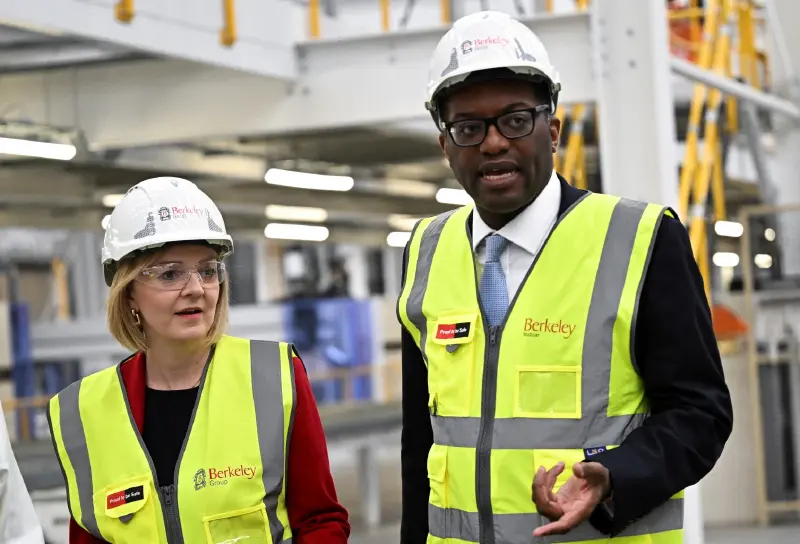


The International Monetary Fund (IMF) and ratings agency Moody's ramped up pressure on Britain to reverse a new economic strategy that was roiling financial markets for a fourth day on Wednesday and has sparked growing alarm about the UK housing market.
The rare intervention in a G7 country from the IMF, the global lender of last resort, underscored the severity of the situation facing Britain.
Criticism from IMF of Britain's new fiscal policy shows what a mess Prime Minister Liz Truss's government has made of the economy, leader of the opposition Labour Party Keir Starmer said on Wednesday.
"I think the IMF statement is very serious and is a reflection on the decisions that were taken last Friday," he told the BBC.
The International Monetary Fund openly criticised Britain's new economic strategy on Tuesday following another slide in bond markets that forced the Bank of England to promise a "significant" response to stabilise the economy.
New finance minister Kwasi Kwarteng's plan, was designed to support households and businesses with energy bills while doubling the long-run rate of economic growth.
It requires an additional 72 billion pounds ($77.17 billion) in government debt issuance in this fiscal year alone, shocking investors and sending the costs of such borrowing even higher.
The IMF said the proposals, which sent the pound to touch an all-time low of $1.0327 on Monday, would likely increase inequality and it questioned the wisdom of such policies.
The value of the pound and British bonds have collapsed since Friday, when finance minister Kwasi Kwarteng laid out his plans to boost economic growth, forcing the Bank of England to signal a "significant" rate hike ahead.
In mid-morning London trading on Wednesday the pound was down 0.4% at $1.0688, 30-year government bond yields pushed past 5% to hit a 20-year high, and bond strategists warned that markets were becoming close to untradeable due to volatility.
Julian Jessop, an economist who provided informal advice to Truss during her leadership campaign, said the economy was at risk of falling into a "doom loop".
The IMF said the proposals would add to a crisis of credibility after the government cut taxes and hiked borrowing just as the Bank of England lifts interest rates to tackle surging inflation.
In a blunt release, Moody's said large unfunded tax cuts were "credit negative" for Britain, risking structurally higher funding costs that could weaken the economy.
Kwarteng, an economic historian who was business minister for two years, has responded to the criticism by insisting that tax cuts for the wealthy alongside support for energy prices are the only way to reignite economic growth.
Britain's Treasury department said the November announcement would detail government plans to cut debt in the medium term.
"We are focused on growing the economy to raise living standards for everyone," a spokesperson said.
On Tuesday, Bank of England Chief Economist Huw Pill said the central bank was likely to deliver a "significant" rate increase when it meets next in November, adding that financial market upheaval would have a big impact on the economy and would be factored into its next forecasts.
Reuters
