
Oil surge from Middle East war hits Thai restaurant bookings
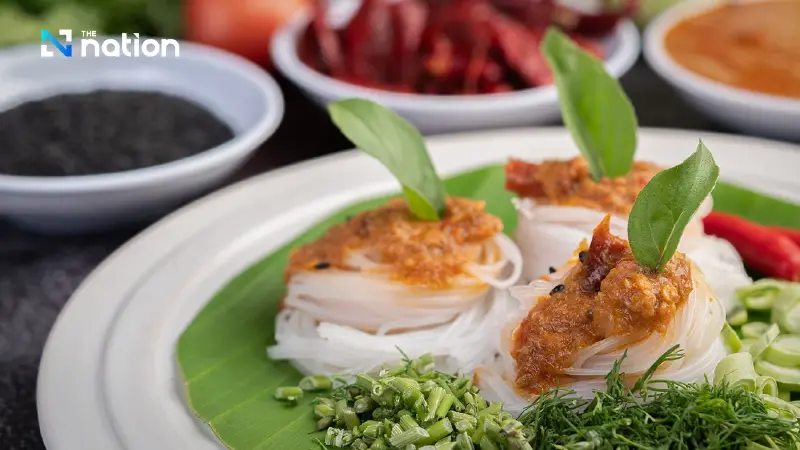


Rising oil and transport costs are hitting restaurants, with GOAT reporting 70% cancellations in the early weeks and Kaen seeing bookings fall by about 20%.
- The oil price surge caused by the Middle East war led to an immediate and severe impact on Thai restaurants, with one establishment reporting booking cancellations as high as 70% in the initial weeks.
- The crisis has altered customer behavior, with diners now booking on very short notice—such as one day ahead or on the same day—making it difficult for restaurants to plan and forecast.
- Higher fuel costs have resulted in fewer tourists, particularly domestic visitors, causing a drop in advance bookings by around 20% for some restaurants ahead of the Songkran holiday period.
- Restaurants are facing increased logistics costs of 5-10% from suppliers and are adjusting by ordering smaller quantities of ingredients more frequently or reducing portion sizes to manage expenses without raising menu prices.
Parkorn Kosiyabong, chef at GOAT, which holds one MICHELIN star, said on March 30, 2026, that the oil price crisis and higher transport costs following the war in the Middle East had not only increased restaurant costs but had also affected bookings.
During the first and second weeks of the war, the restaurant business was hit hard, with cancellations reaching as high as 70%.
In the third and fourth weeks, customers from neighbouring countries such as Singapore, Malaysia, Hong Kong and Taiwan helped support business, which was enough to get the restaurant through this month.
More than 70% of the restaurant’s customers are foreign tourists.
At present, however, the customer mix is 50% foreign and 50% Thai.
The main foreign customer groups remain Asians and Europeans, such as Italians and French diners.
The outlook for restaurant bookings next month and in the months ahead remains difficult to predict, as customer behaviour has changed.
Instead of booking several months in advance, customers now tend to book just one day ahead or even on the same day, such as calling in the morning to dine in the evening.
Higher oil prices have led many suppliers to begin raising delivery and logistics charges by around 5-10%, although the price impact may not yet be very severe because the period has still been short.
However, if the situation drags on until the end of the year, it will have a heavy impact on operators, as they cannot raise menu prices in line with the current situation.
To cope with volatile customer numbers and uncertain planning, the restaurant has had to adjust its ingredient-ordering strategy from placing larger orders based on planning to ordering more frequently in smaller quantities.
Although ordering more often means having to face higher logistics costs because procurement can no longer be planned as efficiently as before, it is a necessary approach to reduce the risk of shortages or leftover ingredients going to waste.
The restaurant can accommodate no more than 20 customers a day, or around 300 customers a month on average, so it has to monitor the situation closely and remain highly flexible in its management to keep the business going through this crisis.
Paisarn Cheewinsiriwat, chef at Kaen restaurant in Khon Kaen, one of the restaurants listed in the MICHELIN Guide, said the crisis in the Middle East had pushed up energy costs, especially with oil becoming 6 baht per litre more expensive.
He said this had already begun to affect the business, although it was not yet a fully clear cost burden.
The restaurant has not yet raised prices, but has instead adjusted portion sizes to help manage costs.
Even so, portion sizes cannot be changed too much from before.
This is because customers tend to remember what the portion size used to be.
If transport and ingredient costs continue to rise clearly for some time, the restaurant will have to recalculate costs and may need to raise prices in line with costs that remain high for a prolonged period.
The main cost at the moment is transport, which has already risen clearly.
At the same time, with oil prices higher, it is also clear that there are fewer tourists, especially Thai visitors.
Khon Kaen normally relies mainly on tourists from nearby provinces, but right now, numbers are still not where they should be.
Even though the Songkran period in April is approaching, advance restaurant bookings are coming in only to some extent, down by around 20%.
