
The Rising Crisis of Teen Alcohol Addiction in 2026: Why It’s Surpassing Vaping and What Parents Must Know
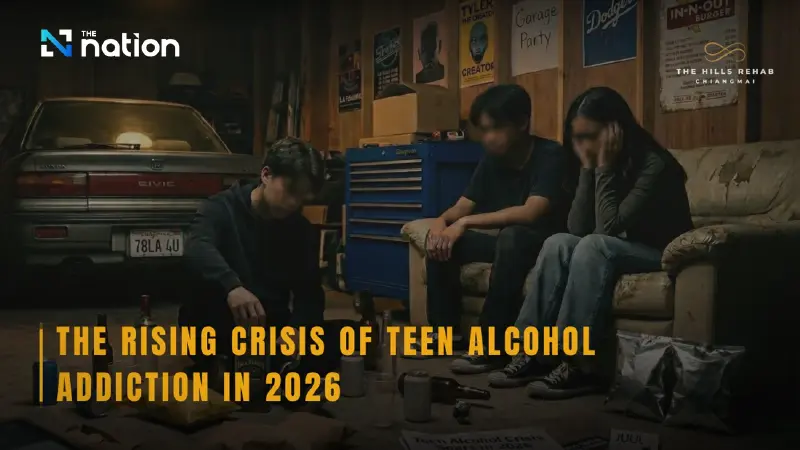


While national headlines celebrate a general decline in youth substance use, a deeper look at the 2026 data reveals a shifting battlefield for families.
For the first time in years, Alcohol Addiction has reclaimed its position as the primary threat to teen health, overtaking the vaping epidemic that once dominated the conversation.
In regions like Greater Cincinnati, the shift is official. The 2026 Student Survey by Prevention First highlights a critical trend: alcohol is now the most commonly used substance among students in grades 7 through 12. As vaping rates drop, the normalization of alcohol in the home is creating a new wave of Substance Use Disorders (SUD) that requires immediate, specialized intervention.
The Hidden Reality of Teen Alcohol Consumption
Unlike illicit drugs or nicotine products, which are often sourced from peers, the primary source of alcohol for teens is the home. This "familiarity" makes alcohol addiction particularly difficult to spot until it reaches a crisis point.
-
The Home as a Hub: Statistics show that the most common location for use is at home, often under the radar of well-meaning parents.
-
The "Coping" Connection: There is a direct correlation between mental health and alcohol use. Teens often turn to drinking as a coping mechanism for anxiety, depression, and social isolation.
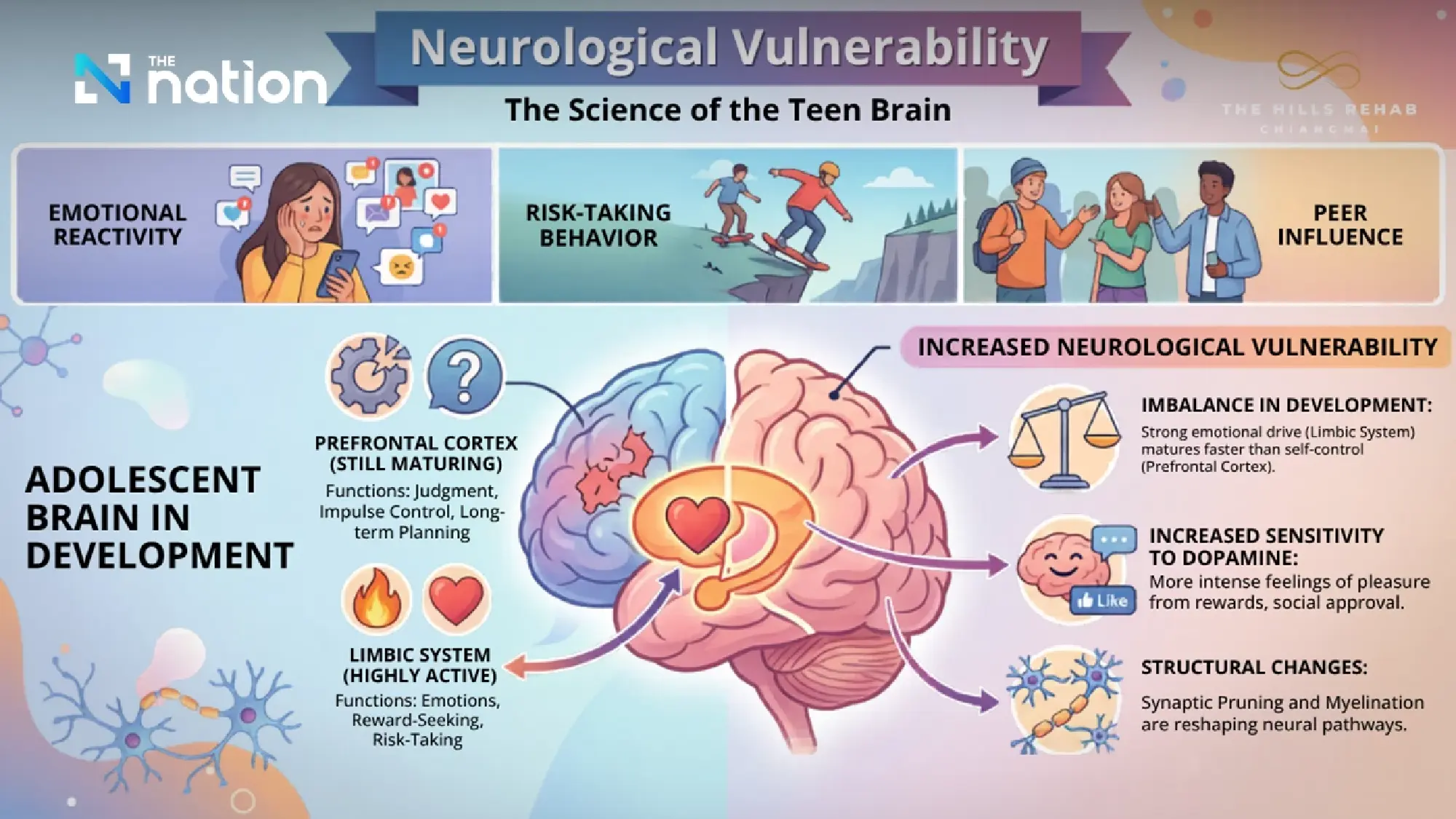

Neurological Vulnerability The Science of the Teen Brain
Research from Yale University emphasizes that the adolescent brain is uniquely susceptible to the "rewiring" effects of alcohol. Because the prefrontal cortex the area responsible for impulse control and decision-making is still under construction, alcohol can disrupt critical "synaptic pruning."
This makes the transition from casual drinking to chemical dependency much faster than in adults. It’s not just a behavioral phase; it’s a neurological shift that can reshape brain chemistry, increasing vulnerability to other substance use disorders later in life.
Red Flags Identifying Alcohol Addiction Early
Because alcohol is so normalized, parents often overlook the subtle signs of dependency. Beyond the obvious "breath that smells like liquor," look for these behavioral shifts:
-
Sudden Social Pivot: Dropping old friends for a new group, especially those who are older or known for partying.
-
Emotional Volatility: Extreme irritability, unexplained outbursts, or a sudden "flatness" in personality that persists beyond normal mood swings.
-
Academic Erosion: A sudden drop in grades, missed assignments, or "forgetfulness" that wasn't there before.
-
Physical Markers: Bloodshot eyes, frequent headaches, and a lack of interest in personal hygiene or favorite hobbies.


The Long-Term Cost Why "Waiting it Out" is Dangerous
Untreated adolescent alcohol addiction doesn't just disappear with age it often evolves into chronic adult alcoholism. The USC Keck School of Medicine suggests that early alcohol exposure can lead to
- Stunted Brain Growth: Permanent deficits in memory and learning capacity.
- Liver and Organ Strain: Emerging data in 2026 shows a rise in early-onset liver issues among young adults who started heavy drinking in their mid-teens.
- Secondary Risks: High correlation between teen drinking and risky behaviors, including impaired driving and unsafe social encounters.
Comparative Substance Use Trends (2024–2026)
The data shows a clear hierarchy in current teen substance use:
- Alcohol: 6.6% (Leading Substance, with 42% of 12th graders reporting past-year use)
- Vaping: 6.1% (Significant decline from 8.2% in 2024)
- Marijuana: 4.3% (Steady decline)
Identifying the Need for Professional Addiction Treatment
For many families, the realization that a teen is struggling with alcohol addiction comes as a shock. Because alcohol is socialized and normalized at parties and family gatherings, the warning signs are often dismissed as "teen angst."
However, if your child is using alcohol to manage their emotions, they are no longer "experimenting"; they are developing a dependency. Finding the right addiction rehab center that offers adolescent-specific care is the most critical step a parent can take.
Effective programs should include Dual Diagnosis treating the addiction alongside underlying mental health issues like anxiety or depression.
The Path Forward From Dependency to Resilience
The 2026 data isn't just a warning it’s a roadmap. It shows us that when parents are vocal about the dangers of alcohol addiction and when professional help is accessible, teens make better choices.
If you suspect your teen is struggling, don't wait for a "rock bottom" moment. Early intervention is the most effective way to protect a developing brain and ensure a healthy transition into adulthood. Resilience is built through connection, professional support, and the courage to address the problem head-on.
Website : Thehillsrehabchiangmai.com
E-mail : [email protected]
Phone : +66 80 387 8577
