
Beyond the Pride parade: creating high-value tourism through festivals
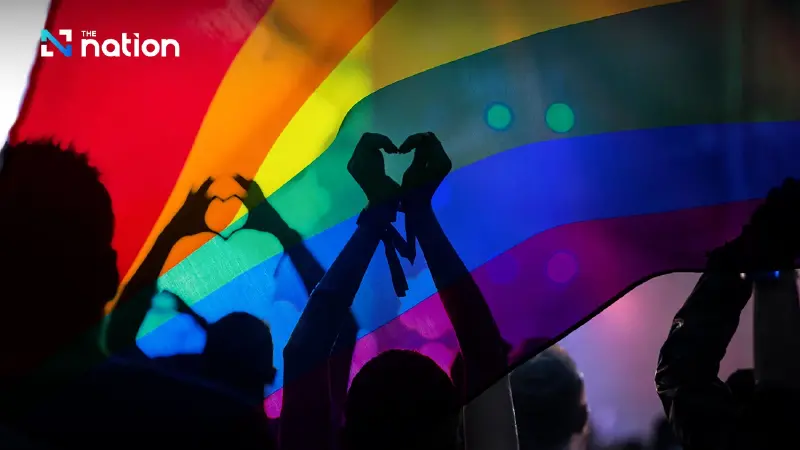


Thailand could unlock greater Pride tourism value by adding multi-day festivals, ticketed events and global experiences to parade-led celebrations.
Pride celebrations have long been cultural milestones, but in recent years they have also emerged as powerful engines of tourism and economic growth.
Traditionally, Pride events have been highlighted through large-scale parades. Taking the NYC Pride March (USA) for example is one of the world’s largest Pride demonstrations, drawing millions of spectators and generating substantial tourism-related revenue.
Despite their massive crowds, parades are typically open-access civic events that attract a significant proportion of local residents which tend to limit average spending per attendee.
By contrast, Pride-specific festivals — ranging from circuit parties and music festivals to street celebrations — often operate on ticketed entry, enabling them to generate higher per-capita spending.
As a result, Pride events in many cities have evolved beyond parades into large-scale experience-driven festivals to attract the global Pride tourism market and gain greater economic impact.

Pride‑specific festivals provide a strong foundation for tourism‑driven growth, as festival-goers are often travelers, not just locals.
Several factors explain why specific festivals tend to outperform traditional parades in terms of economic impact.
First, attendees typically show a high willingness to spend on premium experiences including high-priced ticketed parties, multi-day passes and VIP packages bundling accommodation, transport service and branded merchandise.
Second, the multi-day event structure-starting from opening parties, main arena night events, daytime activities (such as beach club or pool parties) and ending with closing celebrations-encourages attendees longer stays and broader spending across hotels, restaurants, retail, transport and local businesses.
Equally important, pride‑specific festivals could also build strong global destination branding. Annual editions scheduled at predictable times foster repeat attendance and visitor loyalty.
Many attendees return year after year, and some even plan their annual vacations around these festivals.
A notable example is Circuit Festival Barcelona, a nine‑day festival that attracts more than 60,000 international attendees from over 80 countries.
With Full‑festival wristbands starting at around €300, attendees are widely known for their high levels of spending and delivers a significant boost to Barcelona’s tourism sector by driving hotel occupancy and increasing local sales throughout the festival period.
Altogether, its economic contribution is broadly estimated at more than €100 million annually. Beyond its economic impact, this circuit festival has also become one of Barcelona’s flagship Pride destination festivals.
In addition, cities are increasingly repositioning Pride events from a parade-centered celebration into a multi-day festival.
One example of cities leading this shift is the Sydney Mardi Gras (Australia) which expanded its iconic Oxford Street parade into a multi‑week festival.
A dynamic festival around 17 days layers the parade with ticketed after-parties, outdoor concerts, arts and cultural programs, community events and curated experiences.
This festival structure allows Sydney to capture tourism value well with a 12% increase in overall visitor in 2025, delivering an estimated $35-39 million in annual economic impact.
Another similar approach is Pride Toronto (Canada) where the city expanded Pride into 10‑day festival. The program also includes ticketed nightlife events, circuit‑style parties, concerts and community activities.
Collectively, these multi events attract more than 3 million participants across the festival period and contribute over CAD $450 million to Toronto’s GDP.
These two examples demonstrate the strong economic potential of integrating experience‑driven festivals with traditional Pride parades, allowing cities to extend visitor stays, increase per-capita spending, and capture broader tourism value.

Multi-day Pride festivals also represent a strategic opportunity for Thailand. Bangkok Pride, the country’s principal Pride event, places strong cultural emphasis on parade-led celebrations and these parades remain essential platforms for visibility, inclusion, and social progress.
However, Pride-specific festivals in Thailand are beginning to attract growing interest from the international Pride community, particularly as destination-based events gain popularity worldwide.
Festivals such as White Party Bangkok are widely recognized as Asia’s largest New Year's Pride celebration. A four-day festival with over 30,000 tickets sold draws a diverse mix of domestic and international attendees, predominantly from across Asia.
Its success highlights Thailand’s opportunity to attract more international Pride tourists by introducing year-round multi‑day Pride festivals across various cities or layering multi-day festival programming onto existing parades with stadium-scale music events, outdoor concerts and dance parties.
By doing so, Thailand could enhance its positioning as a leading destination in the global Pride tourism market, while generating more sustained economic benefits across multiple sectors.
Author: Kamonmarn Jaenglom
Senior Analyst,
Economic Intelligence Centre,
Siam Commercial Bank Plc (SCB EIC)
[email protected] | SCB EIC Online : www.scbeic.com
