
The Woven Heritage of Thai Fabrics: Tradition Meets Modern Identity
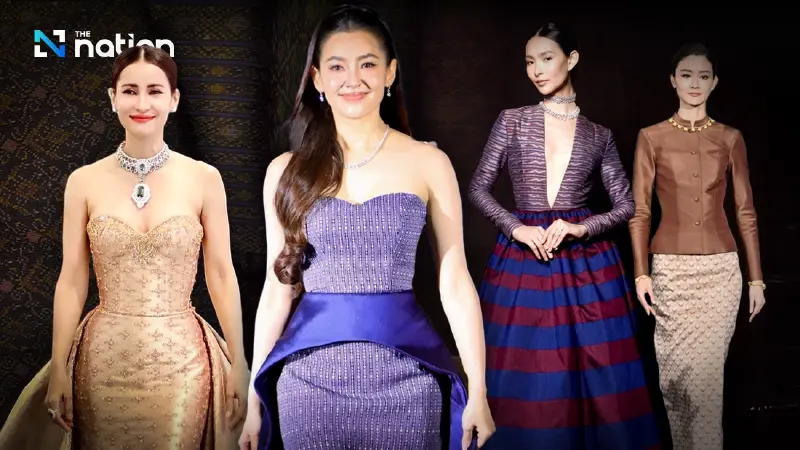


Thai textiles, from ancient silk weaving to modern sustainable designs, carry deep cultural significance and embody the stories of Thailand’s diverse communities. Explore how these fabrics continue to shape the nation’s identity.
Thai fabrics, especially Thai silk, are not just beautiful textiles but integral parts of the nation’s history and identity. These intricately woven cloths are more than mere commodities—they are living records of Thailand’s rich cultural heritage, with every motif and colour telling a unique story. From the famous mudmee silk of the northeast to the stunning textiles of ethnic hill tribes, Thailand’s fabric traditions offer a deep insight into its diverse cultural tapestry.

The Historical Roots of Thai Textiles
Thai weaving dates back thousands of years, with communities crafting textiles for daily use and special occasions. In the Lanna Kingdom (14th-16th centuries), vibrant cotton fabrics were traded with neighbouring kingdoms, while during the Sukhothai Kingdom, Benjarong Cotton became famous. By the Ayutthaya period, both locally produced silks and imports from China, India, and Cambodia marked the elite's status. Over time, textiles became symbols of social status, with commoners wearing simple fabrics and royalty showcasing intricate embroidered silks.
However, by the late 19th century, Thai silk and other traditional textiles faced competition from industrialisation. The elite increasingly imported fabrics, and the art of weaving declined. Still, these textiles were deeply tied to the nation’s identity, and efforts to preserve and promote them have brought them back into focus.

Royal Patronage: Queen Sirikit and the Revival of Thai Silk
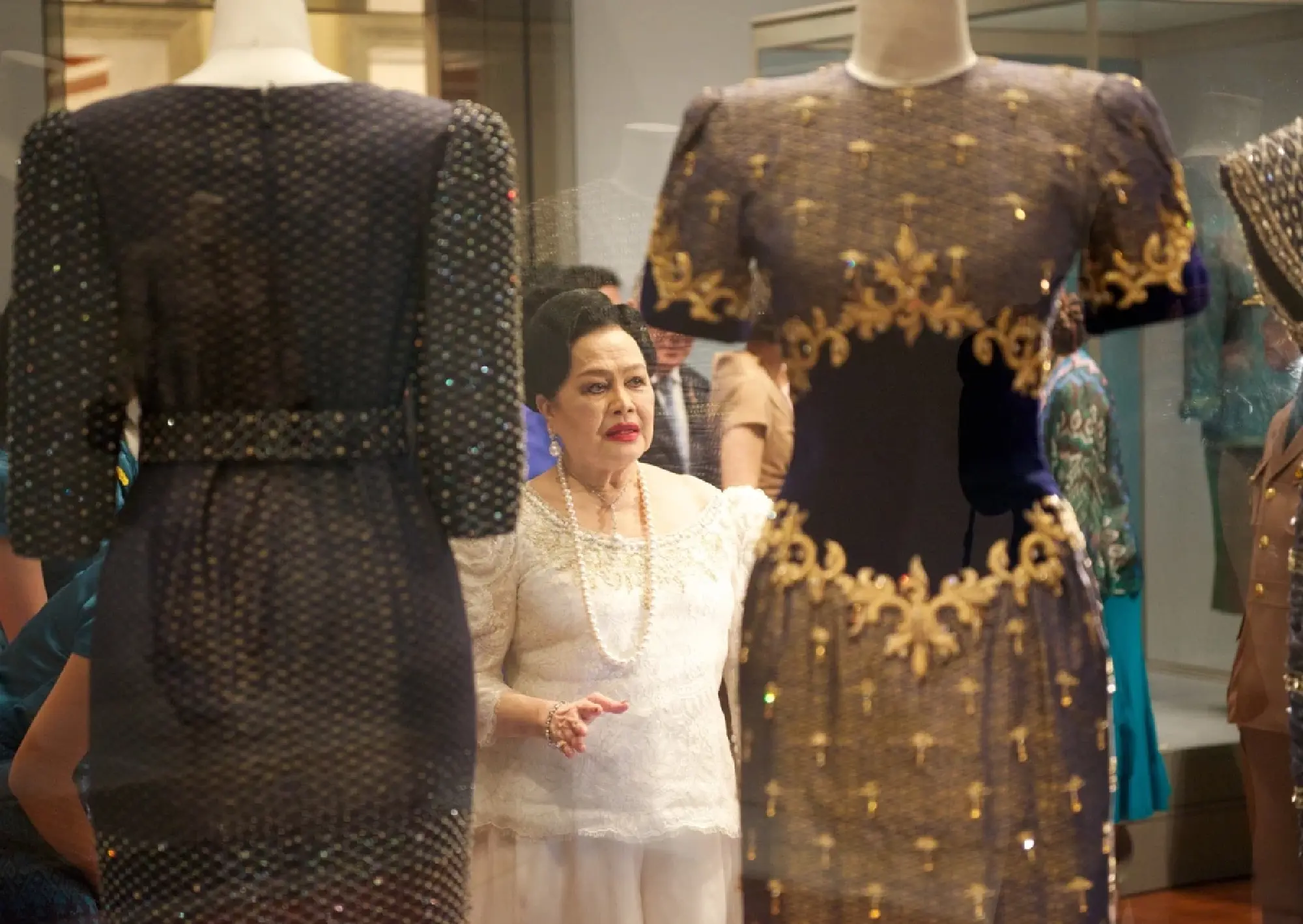
Queen Sirikit, the Queen Mother, played a pivotal role in the resurgence of Thai silk. Her involvement in preserving traditional textiles began in the 1960s when she initiated research into traditional Thai attire to create a dress that could represent Thailand’s unique identity on the global stage. Through her SUPPORT Foundation, she provided rural women with the tools and training needed to improve their craft, creating a sustainable market for these fabrics.
Her efforts not only revived the art of weaving but also ensured that Thai textiles became a source of national pride and economic empowerment, both domestically and internationally. The promotion of Thai silk became a national project, positioning it as a symbol of Thai culture and identity.
Regional Signatures: The Unique Textiles of Thailand’s Ethnic Groups
Each region of Thailand has its own distinctive textile tradition, shaped by the diverse ethnic groups that inhabit the country. These textiles, crafted with intricate designs and techniques, tell the stories of the people and their cultural heritage.

- The Highlands of the North: The hill tribes, such as the Karen, Hmong, and Lisu, are known for their vibrant, detailed fabrics, often incorporating embroidery and silver ornaments. The Hmong, for example, are famous for their wax-resist dyeing technique, while the Karen use millet seeds in their garments to protect the wearer from evil.
- The Northeast (Isaan): This region is home to some of Thailand’s most famous textiles, including mudmee silk, which is hand-woven using a weft ikat technique. The silk is adorned with beautiful patterns that carry cultural and spiritual significance.
- The South: The textile traditions in the south of Thailand, influenced by neighbouring Malaysia, are renowned for batik. The intricate designs of Southern Thai batik often reflect motifs from nature, particularly the sea.

Surin Silk: A Localised Tradition
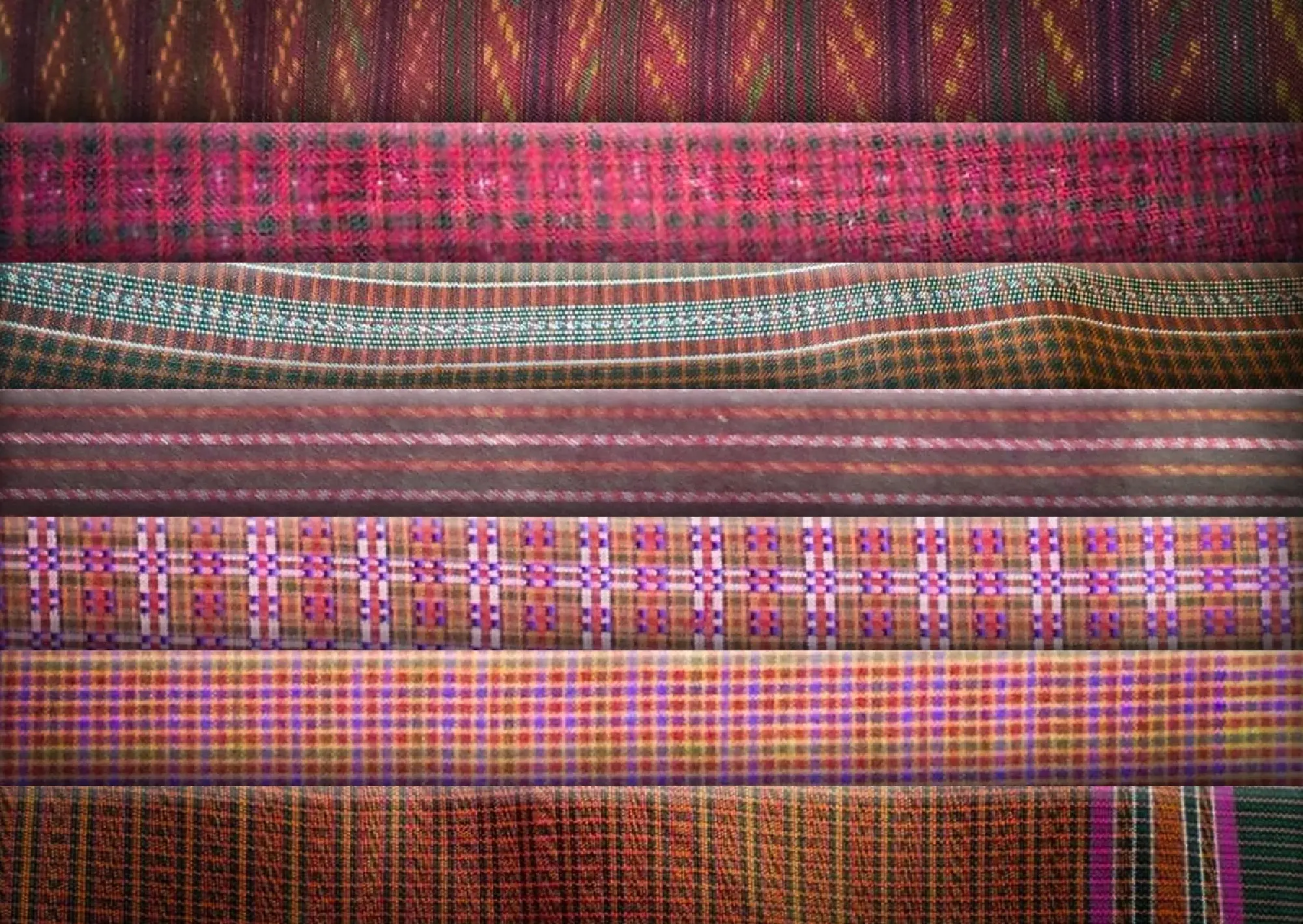
In Surin Province in the northeast, the silk production is so central to the region’s identity that the provincial government has designated seven distinct silk patterns as official cultural symbols.
- Pha Hol (ผ้าโฮล)
- Pha Amprorn (ผ้าอัมปรม, อันปรม)
- Pha Samor (ผ้าสมอ, ผ้าสะมอ, ซมอ)
- Pha Anluiseem (ผ้าอันลุยซีม, อันลูนซีม, อันลูญซีม)
- Pha Labeik (ผ้าละเบิก)
- Pha Sakoo (ผ้าสาคู)
- Pha Hang Krarok (ผ้าหางกระรอก, ผ้ากะเนียว)
Surin silk is considered a hallmark of the province’s cultural pride, with each pattern having deep cultural significance and being passed down through generations of weavers.
The Art of Natural Dyeing
The vibrant colours of Thai fabrics come from the natural dyes that are sourced from plants, minerals, and insects. Indigo, for example, is created through a complex process of fermentation, while lac insect dye produces rich red hues used on silk and wool. These natural dyes are not only beautiful but also reflect the deep connection that Thai weavers have with their environment, using local flora and fauna to create lasting, vibrant colours.
Weaving a Modern Future
Thai fabrics are more than just traditional relics—they are dynamic and living works of art that continue to evolve in the modern world. While young designers are blending traditional fabrics with contemporary styles, Thai textiles are gaining recognition for their beauty and cultural significance. This revival is not just about preserving an ancient craft but about creating sustainable livelihoods for local communities and continuing the story of Thai identity through the threads of its diverse textiles.
SOURCE: www.thailand.go.th
