
Thai fashion exports soar to 220 billion baht as DIPROM boosts SME soft power


Thai fashion exports hit 220 billion baht as DIPROM empowers SMEs with soft power, innovation, and brand building to compete on the global stage.
- Thailand's fashion industry has reached 220 billion baht in export value, positioning it as a key driver of the national economy.
- The Department of Industrial Promotion (DIPROM) is actively supporting fashion SMEs through initiatives like the "Fashion Hero Brand" and "Fashion Alliance" programs.
- DIPROM's strategy aims to boost "soft power" by helping entrepreneurs shift from generic manufacturing to creating unique Thai brands that blend cultural heritage with modern design.
- This support encourages brands to leverage trends like sustainability, craftsmanship ("quiet luxury"), and cultural tourism to compete on the global stage.
Thailand’s fashion industry remains a key driver of the national economy, generating exports worth 220 billion baht and employing around 750,000 people. Yet, global economic uncertainty and rapidly shifting consumer behaviour have created new challenges for the sector.
According to the Thailand Textile Institute, the fashion industry—both in Thailand and worldwide—continues to face mounting pressure in 2025. Sluggish global growth, rising labour costs, stricter environmental standards, and shifting trade structures have all contributed to a more competitive and complex landscape.
Climate change and changing consumer preferences have also redefined how fashion businesses must adapt to survive.

To help Thai entrepreneurs navigate these challenges, the Department of Industrial Promotion (DIPROM) is accelerating efforts under its “4 Givings, 1 Reform” strategy: giving new skills, modern tools, opportunities for growth, good Thai businesses for local communities, and reforming DIPROM into a forward-looking organisation powered by soft power.
In 2025, DIPROM rolled out a series of projects to strengthen more than 129 fashion entrepreneurs across the country. Among them is the Fashion Hero Brand programme, which promotes Thai apparel and accessories by blending cultural heritage with contemporary design under the “Fashion Identity” initiative.
The goal is to move beyond Original Equipment Manufacturer (OEM) production towards building sustainable, Thai-owned brands with unique identities and global standards.
Another key initiative, Fashion Alliance, focuses on workforce development in the textile and apparel sectors. It provides entrepreneurs with practical training in business management, planning, and creative design—while encouraging the use of technology and innovation to enhance product value.
The project also helps participants access funding and market opportunities in line with the government’s “One Family, One Soft Power (OFOS)” policy.

Three emerging trends shaping the future of Thai fashion
Despite the challenges in the overall market, there remain significant opportunities for entrepreneurs to turn crises into growth, as Thailand’s fashion market continues to expand steadily.
- From fast fashion to slow fashion and sustainability: Thai brands are encouraged to embrace sustainability — using local natural fibres, promoting circular design, recycling materials, and reducing carbon footprints. These efforts not only minimise environmental impact but also position Thai fashion as an eco-friendly industry with global appeal.
- Quiet luxury and craftsmanship: The global “quiet luxury” trend celebrates timeless elegance, fine tailoring, and premium materials. This shift offers opportunities for Thai brands renowned for craftsmanship, such as silk and indigo fabrics, to differentiate themselves and expand internationally.
- Linking fashion with cultural tourism: Thai fashion products — from silk garments to locally inspired ready-to-wear collections — can complement cultural tourism, serving as soft-power tools that showcase Thai identity and heritage through storytelling and design.

‘INTHAI’: a soft-power success story
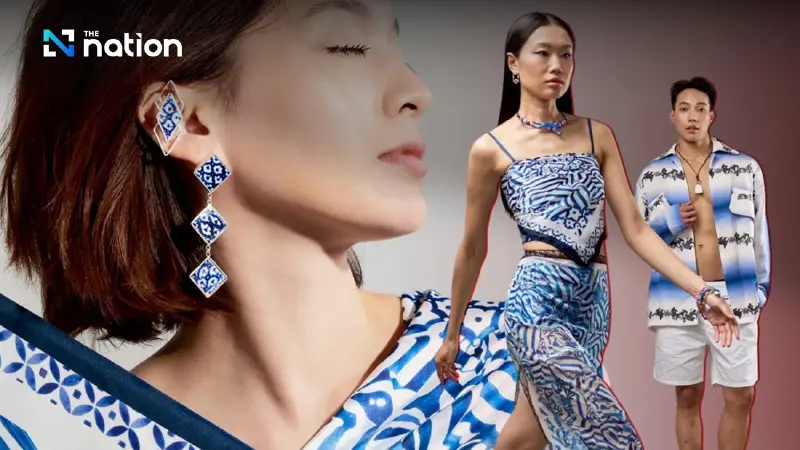
Areeya Bunchuaylaew, founder of INTHAI — a brand supported by DIPROM’s Fashion Hero Brand and Thai Designer Lab projects — said her label draws inspiration from Thailand’s artistic heritage, from Benjarong ceramics to the iconic rooster bowl.
These traditional motifs are reimagined through contemporary fashion and lifestyle pieces, including clothing, scarves, and accessories.
INTHAI’s products are positioned as “wearable art”, combining refined design with cultural storytelling. The brand’s strong identity and craftsmanship have earned it recognition among young Thais, tourists, and lovers of Thai artisanal work.
Each piece is crafted with great care and attention to detail to ensure customers receive something truly valuable and distinctive, Areeya explained. She noted that having a clear brand identity helps people remember the label easily — a key factor driving its growth.
“Many of our customers see INTHAI’s creations not merely as accessories, but as ‘art you can wear’. This adds real value to our products and allows us to price them in a way that reflects both quality and story,” she said.
She added that support from DIPROM has been vital in overcoming common challenges faced by small entrepreneurs, such as accessing international markets, managing operations, and covering exhibition costs.
Through training, product development, and business networking, DIPROM has strengthened the brand’s foundation and opened doors to new opportunities both domestically and abroad.
“These initiatives have helped INTHAI grow with stability and direction,” Areeya said. “Most importantly, DIPROM serves as a bridge to new possibilities, enabling Thai brands like ours to stand tall and compete confidently on the global stage.”
