
Brigitte Bardot, icon of French cinema, dies at 91
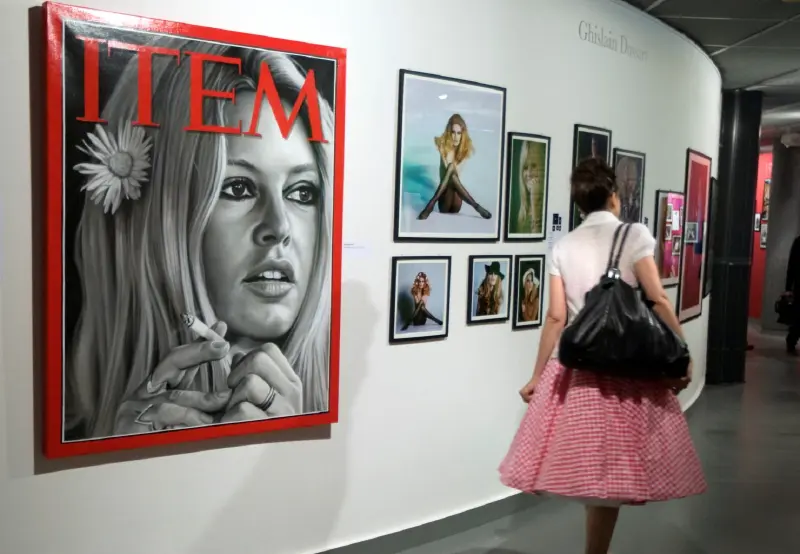


Brigitte Bardot, the actress who rose to worldwide fame in the 1950s and became one of France’s most recognisable cultural figures, has died aged 91, according to her foundation. The cause of death was not immediately known.
Bardot shot to international prominence after her barefoot mambo dance in And God Created Woman, released in 1956.
Her tousled hair, fierce energy and on-screen confidence projected a kind of sexual magnetism that was rarely seen in mainstream cinema at the time.
She was just 21 when the film, shot by her husband Roger Vadim, scandalised censors and enthralled audiences, marking a clear break from the more demure heroines of the previous era.
Often referred to in France simply as “B.B., Bardot became a defining symbol of 1950s and 1960s France. Her character in And God Created Woman was presented as the embodiment of a liberated femininity, and the controversy surrounding the role only amplified her appeal.
From shy child to global fascination
Born in Paris on September 28, 1934, Bardot grew up in an upper-middle-class household. She later described herself as a shy, self-conscious child who wore spectacles and had lank hair. By the age of 15, however, she was on the cover of Elle magazine, launching a modelling career that soon led her into film.
Her allure and influence travelled far beyond French cinema. Bob Dylan, it was said, wrote his first song about her at 15, an unreleased track titled “Song for Brigitte”, while Andy Warhol painted her portrait. Bardot’s ability to upend traditional gender expectations helped turn her into more than a sex symbol: she became a pop-culture reference point linked to shifting social attitudes.

In 1959, Simone de Beauvoir wrote an article for Esquire that praised Bardot’s sense of freedom, arguing that she did not seek to shock but simply followed her instincts. De Beauvoir described what she saw as Bardot’s “genuineness”, and expressed the hope that she would mature without changing.
Fame, loneliness and disillusionment
Despite her impact, Bardot often found celebrity life confining. She spoke about feeling like a prisoner of her own fame and said it prevented her from enjoying ordinary pleasures. Her private life drew constant public attention, shaped by four marriages, widely reported affairs, and struggles with depression.
Alongside acting, Bardot also built a successful music career. Her collaborations with singer-songwriter Serge Gainsbourg drew both acclaim and controversy, including the erotic “Je t’aime … moi non plus” (“I Love You … Neither Do I”). In the late 1960s, she also modelled for a bust of Marianne, the personification of the French Republic.
Yet she said the praise and adulation brought her little satisfaction. Speaking to Paris Match around the time of her 50th birthday, Bardot described a life that was outwardly blessed, happy, rich, beautiful and famous, but deeply unhappy. She said she had been disappointed too often and chose to withdraw, living alone.
A new life devoted to animals
Bardot made the last of her 42 films in 1973. Disenchanted with the film industry, she described the world of cinema as “rotten” and stepped away from public life, saying two decades in the business was enough.
She settled in Saint-Tropez, where she found comfort among animals and the Mediterranean landscape, and began dedicating herself to animal welfare. In 1986, she established the Brigitte Bardot Foundation for the Welfare and Protection of Animals, later raising funds by auctioning personal souvenirs.
She supported high-profile activists, including anti-whaling campaigner Paul Watson, and campaigned forcefully against cruelty, at times threatening to leave France over animal welfare disputes.
For much of her later life, she lived behind high walls in Saint-Tropez, surrounded by animals. She often suggested that this devotion was a response to her disappointed relationships, once saying she had given her beauty and youth to men and would give her wisdom and experience to animals.
Controversy and a lasting legacy
As her activism grew, so did the backlash to her political views. Bardot’s public comments on immigration, Islam and homosexuality led to multiple convictions for inciting racial hatred. Between 1997 and 2008, she was fined six times by French courts, particularly over remarks targeting France’s Muslim community.
In 1992, she married Bernard d’Ormale, described as a former adviser to the far-right National Front. She later endorsed the party’s leaders, including Jean-Marie Le Pen and his daughter Marine Le Pen, whom she called “the Joan of Arc of the 21st century”.
Even so, Bardot’s cultural influence remained visible through recurring interest in her trademark hairstyle, as well as documentaries and coffee-table books celebrating her impact on French cinema.
In an interview with French channel BFM TV in May 2025, she rejected the idea that she was a symbol of the sexual revolution and dismissed feminism, saying she liked men. Asked how often she thought about her film career, she said she did not dwell on it, but did not reject it either, adding that it was thanks to cinema that she became known worldwide as someone who defends animals.
Reuters
