
‘Green days off’ trend sees Gen Z taking leave to reconnect with nature
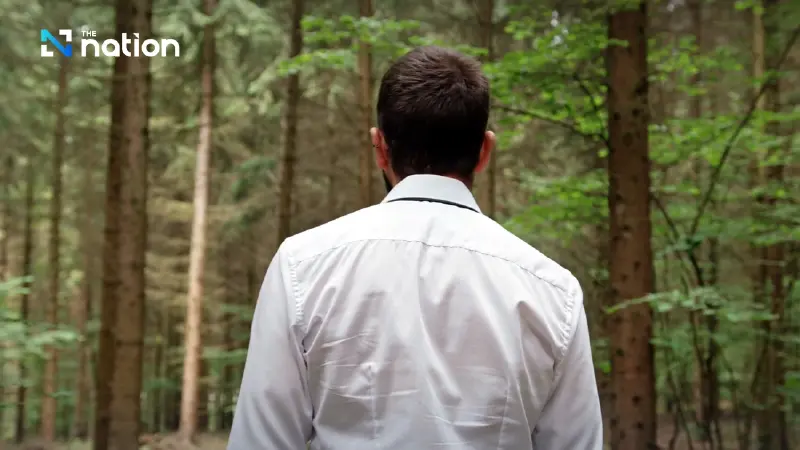


A growing “green days off” trend sees younger workers taking leave to spend time outdoors—hiking, visiting parks or the seaside—to reset mentally, as surveys link all-day indoor work to poorer wellbeing and higher stress.
In the past, taking time off work usually meant annual leave, sick leave, or a holiday. But new forms of leave are now emerging. The latest: many Gen Z workers are talking about “green days off work”, also called “green leave”—time off specifically to spend time in nature, whether hiking, going to the sea, visiting a park, or simply being outdoors to recover mentally from work stress.
The idea is gaining traction on social media and is starting to be discussed inside workplaces, after surveys found that many employees feel trapped by a life spent inside buildings, in front of screens, and in meetings all day—prompting a desire to pause and return to something simpler.
Nearly 50% want a “green day” every month
One survey by an organic food company in the UK asked 2,000 office workers about the type of leave they wanted and found that nearly half—especially younger workers—believed employers should offer green days off work at least once a month, so staff can spend time in nature and step away from the work environment. The report said:
- 88% of Gen Z employees said working indoors all day harms their mental health.
- Around 30% of younger employees said long periods in the office feel like being shut behind walls and screens.
- When asked about their ideal working environment, 91% said they wanted opportunities to work or spend time outdoors, rather than being in the office all the time.

Unsurprisingly, these shared feelings have helped push green days into the spotlight on platforms such as TikTok, where many workers describe clearer improvements in their mental wellbeing after time in nature.
Some say that after days of stress, even a few hours walking in the forest or hiking leaves them feeling lighter and more energised. Others in their early 20s say they are learning that mental health matters as much as career progression—and that nature is the best way to “reset”.
Research backs it: nature really can reduce stress
Health researchers have long found that time in green spaces boosts life satisfaction and reduces stress. People living near parks or natural areas tend to have lower stress levels and greater wellbeing.
The World Health Organization has said that more than 55% of the world’s population lives in cities—and the figure could rise to 68% in the future. Living mostly indoors with little access to green space increases the risk of health problems linked to stress and lack of physical movement.
Health experts also note that spending just 20-90 minutes outdoors per day can significantly improve mental wellbeing.
Some companies are already trialling green leave
From the same survey, the UK company Ecotone announced a policy granting staff three green days off per year for outdoor activities or environmental volunteering.
Its HR team said many younger workers feel constrained by modern office life, and that time off in nature supports not only mental health, but also creativity and productivity—making it a potential win for both employees and organisations.
Not everyone agrees
The trend is not universally welcomed. Critics argue some younger workers may be trying to escape work too readily. Even with health-based reasons, green days off are sometimes viewed by older employees and some managers as an “unreasonable” request for extra leave.
Earlier surveys have found some employers see Gen Z as the hardest group to manage, citing unclear communication, low concentration, and weaker pressure-handling skills. When green leave becomes a weekday trend, some interpret it as a sign that younger workers are not ready for a world of sustained responsibility.
Burnout is a major driver
One of the groups talking most about green days off are workers experiencing burnout from rigid working patterns. Many spend long hours in meeting rooms, working at computer screens in offices, and repeating tasks under constant time-and-performance pressure.
After years of this, some feel they never truly rest—even with normal holidays. For them, nature time is not just “a trip”, but a form of recovery that helps them return to work without burning out too early.
Another group supporting green leave are those who feel traditional office work does not fit modern life. They do not necessarily want to work less—but they do not want to spend all their time indoors or glued to screens. They want more flexibility, more outdoor activity, and a life that does not feel like it is only work.
For these workers, green days off have become a symbol of modern working culture—valuing mental health as much as performance.
Wanting to leave the office isn’t laziness—it’s balance
Looked at broadly, green days off reflect a clear shift in working culture. Younger generations do not see work as everything, as some did in the past—but that does not mean they do not want to work.
Organisations still need efficiency and productivity, and cannot offer leave without a system to support it. The solution may not be to reject the idea entirely—or to accept every request—but to redesign work to be more flexible, such as introducing mental-health recovery days, hybrid work, or ensuring employees have genuine rest periods during the year.
When employees feel they have room to breathe, organisations may gain workers who return with more energy. In the long term, work-life balance may not be a “Gen Z perk”, but a necessity for working life now—and in the future.
