
‘Soft power’: Thailand’s bitter-sweet dilemma


The concept of “soft power” is now quite popular among academics, politicians, technocrats as well as strategic management professionals.
By Amorn Wanichwiwatana
Special to the Nation
It is widely used and sometimes misused, by those who can’t be bothered finding the true meaning of the concept.
Recently, Prime Minister Prayut Chan-o-cha referred to this charm offensive as “software” instead of “soft power”. Though several of his supporters put it down to a simple slip of the tongue, much like former PM Yingluck Shinawatra saying “overcome” instead of “welcome” when greeting Hillary Clinton during her visit to Bangkok in 2011.
Many are also quick to point out that English is not our mother tongue, so grammatical or vocabulary mistakes are forgivable.
This might be another reason why the concept of “soft power” is often wrongly perceived in Thailand.
The soft power tag has been placed on everything, from tourism and cuisine to hospitality and our unique culture – anything that brings us billions of baht yearly.
Individual Thais are also trying to cash in on this soft power concept by becoming YouTube or TikTok presenters with the hope of getting enough followers to earn big bucks.
The government too has jumped on the social-media bandwagon, after waging a long war against those who stood on the other side.
Now, its dissemination of agenda and information via social media suffers more “misses” than hits and often attracts criticism.
One of the best examples is the ongoing wrangle between the National Broadcasting and Telecommunications Commission (NBTC) and the Sports Authority of Thailand (SAT) over the “must have, must carry” policy.
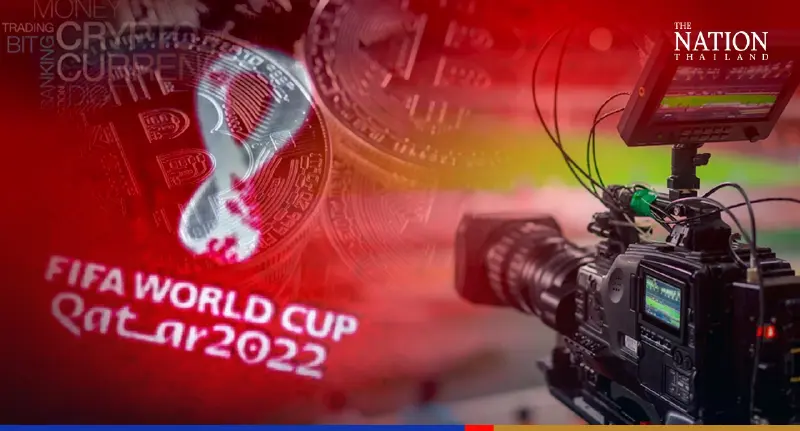
This battle may well end up in court if NBTC decides to withdraw the 600 million baht it spent on purchasing the rights to broadcast Fifa World Cup.
However, IPTV viewers missed out due to a conflict with True Corp, which paid 300 million baht for the rights to broadcast 32 games.
This again reflects the problem with the Thai administration, when they leave the deal of broadcasting and sponsors until the last minute.
The public, meanwhile, does not really care because they can find several ways to watch games being digitally streamed by ITV1 or BBC1 in the UK or turn to other sources like Sky, FOX or beIN sports channels.
Many football enthusiasts have said this chaos has pushed them to gambling sites, that provide easy access to World Cup broadcasts.
Thailand has also welcomed the new digital money blockchain technology or crypto-currency in a bid to become a financial hub.
Technocrats believe this “soft power” will woo investors who are moving out of China due to its strict lockdown measures.
Meanwhile, our very own crypto-lord Jirayut “Topp” Srupsrisopa continues rising even though the “bitkub” crypto coin under his firm, Bitkub Capital, has been falling sharply over the past few months.
The Stock Exchange of Thailand (SET) has not been able to find any openings to severely penalise Jirayut or his clan, while the company continues postponing its deadline for adjusting its “bitkub” technology.
The millions of baht that Jirayut and his close aides pay in fines appear to be small change when compared to the big chunks they put away in day-to-day earnings.
Another example is FTX, the world’s third-largest exchange for the trading of cryptocurrencies which recently filed for bankruptcy. Its 30-year-old CEO Sam Bankman-Fried recently told BBC from his high-end resort in the Bahamas that he is looking for ways to repay the small-time investors who his company brought down.
Some of these investors sold their land and homes to invest in cryptocurrencies with the hope of becoming billionaires.
The truth is new technology and innovative ways of doing things can be very convincing, and human greed always encourages people to take risks.
Thailand, which is open to one and all, requires good governance to protect the innocent.
The latest scandal involving Chinese tycoon Chainat “Tuhao” Kornchayanan has revealed some rotten apples in the police force and government agencies, just in time for the next general election.
With polls fast approaching, the government is doing its best to clean up its act and impress voters.
And to keep the public happy, “soft power” has become one of the key policies tossed around by both ruling coalition parties and the opposition.
However, voters should sit back and see if they want to continue relying on so-called mottos or if they want to see actual change.
Amorn Wanichwiwatana, DPhil (Oxon), is a former member of the Constitution Drafting Commission and a political scientist at Chulalongkorn University.
