
Thailand tracks blackchin tilapia, redclaw crayfish ecosystem risks
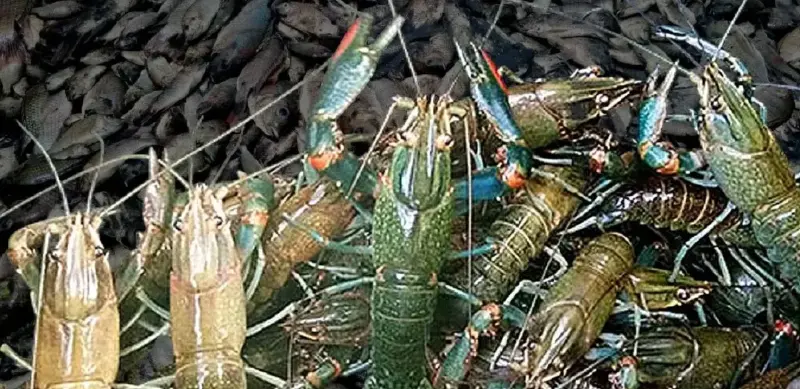


The ministry says agencies are checking reports of blackchin tilapia in Samut Songkhram and redclaw crayfish in Kwan Phayao.
- Thailand's Ministry of Agriculture is actively monitoring non-native aquatic species following the discovery of blackchin tilapia in Samut Songkhram and redclaw crayfish in Kwan Phayao.
- The Department of Fisheries is implementing control measures, such as removing millions of tonnes of blackchin tilapia for processing and surveying crayfish populations to develop management guidelines.
- The ministry is collaborating with various agencies and has asked the public and fishermen to help by not releasing non-native species and removing any that are captured.
Krichanont Iyapunya, spokesman for the Ministry of Agriculture and Cooperatives, said that, in response to the spread of non-native aquatic animals and aquatic species that could affect ecosystems in several areas, the ministry and all relevant agencies had been closely monitoring the situation.
This followed complaints over the discovery of blackchin tilapia in Samut Songkhram province and the detection of redclaw crayfish in Kwan Phayao.
He reaffirmed that the ministry had been continuously monitoring both cases, with the Department of Fisheries visiting reported sites to verify the facts, compile information and situation reports, and use them for analysis and the setting of appropriate remedial measures.
In the case of blackchin tilapia in Samut Songkhram province, the Department of Fisheries has continued control and removal measures involving several million tonnes to reduce the impact on native aquatic animals and ecosystems.
This has been carried out alongside efforts to promote economic use, such as processing the fish into animal feed and fishmeal, as well as purchasing them to help reduce numbers in the wild.
As for redclaw crayfish in Kwan Phayao, the Phayao Fisheries Provincial Office is monitoring and surveying data on their numbers and distribution to determine appropriate management guidelines, reduce risks to biodiversity and preserve the integrity of fisheries resources in the long term.
“The ministry has instructed all agencies to work proactively, swiftly and continuously, putting farmers’ interests first, while integrating co-operation with local agencies, educational institutions, the private sector and the public to prevent and address non-native aquatic species problems effectively. The public and fishermen have also been asked not to release non-native aquatic animals into natural waterways, and to help remove any captured non-native aquatic animals from the ecosystem to reduce their spread and the impact on the country’s aquatic resources.”
The Ministry of Agriculture and Cooperatives gives priority to protecting natural resources, food security and farmers’ interests.
All issues affecting ecosystems and people’s ways of life will be continuously monitored and managed to achieve concrete and sustainable results.
