
Last-chance tourism — Antarctica boom faces new disease fears
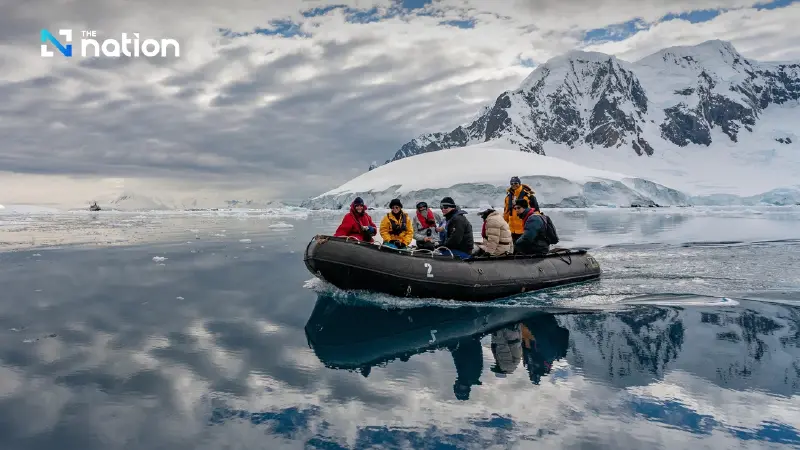


Scientists warn rising Antarctic tourism may bring disease, invasive material and lasting damage to the continent’s fragile ecosystem
Antarctica’s tourism boom is raising growing concern among scientists and environmentalists, who warn that rising visitor numbers could bring disease, contamination and invasive material into one of the world’s most fragile ecosystems.
The surge has been driven partly by “last chance tourism”, the idea of travelling to see Antarctica’s ice landscapes and natural beauty before they are permanently altered by climate change.
Concern has intensified following a severe hantavirus outbreak on the Dutch expedition cruise ship MV Hondius during a multi-week polar voyage. World Health Organisation had confirmed five cases and three deaths linked to the outbreak, with additional suspected cases being monitored.
The ship had been awaiting medical evacuation support near Cape Verde before heading towards the Canary Islands, according to reports. Health authorities have also been tracing passengers who had already disembarked.

The Antarctic Peninsula is among the fastest-warming regions on Earth. NASA data show Antarctica lost about 150 billion metric tonnes of ice per year between 2002 and 2023, contributing to global sea-level rise.
That sense of urgency has helped fuel demand from travellers wanting to experience the continent before its environment changes further.
The Union of Concerned Scientists has estimated that Antarctic tourism has grown tenfold over the past 30 years. In 2024, more than 80,000 tourists landed on the continent, while another 36,000 viewed it from cruise ships, according to data cited from the International Association of Antarctica Tour Operators.
Hanne Nielsen, a senior lecturer in Antarctic law at the University of Tasmania, has warned that visitor numbers could rise three- to fourfold in the near future, potentially exceeding 400,000 a year within the next decade as ship technology improves and travel costs fall.

The continent has already faced disease risks in recent years, including avian influenza carried by migratory birds from South America, which caused deaths among Antarctic wildlife. That has prompted stricter hygiene rules for visitors, including cleaning boots and equipment with vacuum cleaners, disinfectant and brushes to prevent seeds, animal hair or contaminated soil from entering the ecosystem.
Nielsen, drawing on her experience as a guide, said many small materials could be found lodged between boot tongues and laces, creating a possible pathway for foreign matter to enter protected areas.
Beyond hantavirus, cruise ships also carry risks from other infectious diseases such as norovirus and Covid-19, as confined spaces can allow illnesses to spread quickly among passengers.
Although the 1959 Antarctic Treaty provides a framework for protecting the continent, Claire Christian, executive director of the Antarctic and Southern Ocean Coalition, said tourism must be managed more properly and more strictly as visitor numbers grow.
She called for stronger protection for polar wildlife and the basic organisms that support the Antarctic food chain.
Antarctic tourism offers an experience found nowhere else, making it understandable that many travellers want to visit once in their lifetime. But without stronger controls and better visitor management, scientists warn that tourism could cause ecological damage that may never be reversed.
Sources: AP News, EURO News, Independent
