
10 Big Tech CEOs sold shares in 2025, totalling US$16 billion
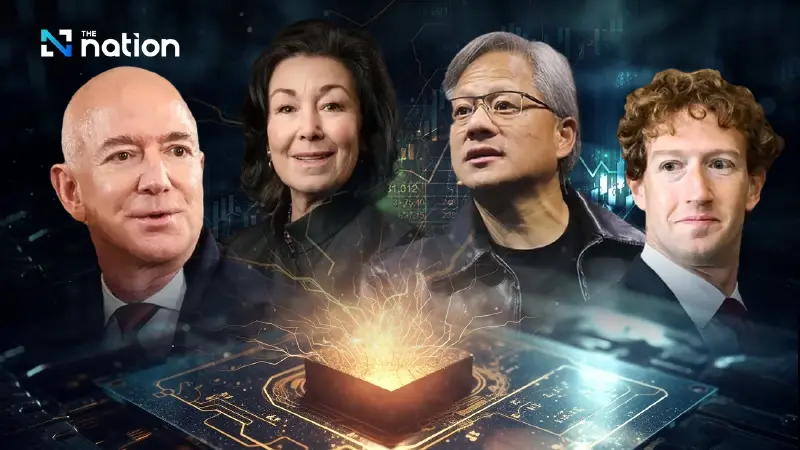


From option exercises to planned disposals, senior figures at major US tech companies converted large blocks of stock into cash during 2025, reflecting both soaring valuations and portfolio reshuffles.
- In 2025, ten prominent tech executives sold a combined total of over US$16 billion worth of their company shares, capitalising on a strong market surge.
- The sales were driven by significant growth in the technology and AI sectors, which pushed stock prices to new highs.
- Amazon founder Jeff Bezos was the top seller, cashing in approximately $5.65 billion, followed by executives from Oracle, Dell, and Nvidia.
- Most of the transactions were conducted through pre-arranged 10b5-1 trading plans to ensure transparency and avoid insider-trading allegations.
The US stock market surged strongly in 2025, especially in technology and AI, prompting company owners and billionaire CEOs to seize the moment and sell shares for profit totalling more than US$16 billion.
Data reported by Washington Service found that many founders and senior executives became some of the biggest “insider sellers” last year, with Jeff Bezos, the founder of the global e-commerce giant, topping the list.
Bangkokbiznews compiled, on Sunday (January 11), a list of 10 tech executives who sold shares over the past year, based on Bloomberg’s reporting.
Notably, almost all of these billionaires, including Bezos, sold shares through a 10b5-1 trading plan, which sets pre-arranged sell orders under regulations designed to prevent insider-trading allegations and demonstrate transparency to investors.
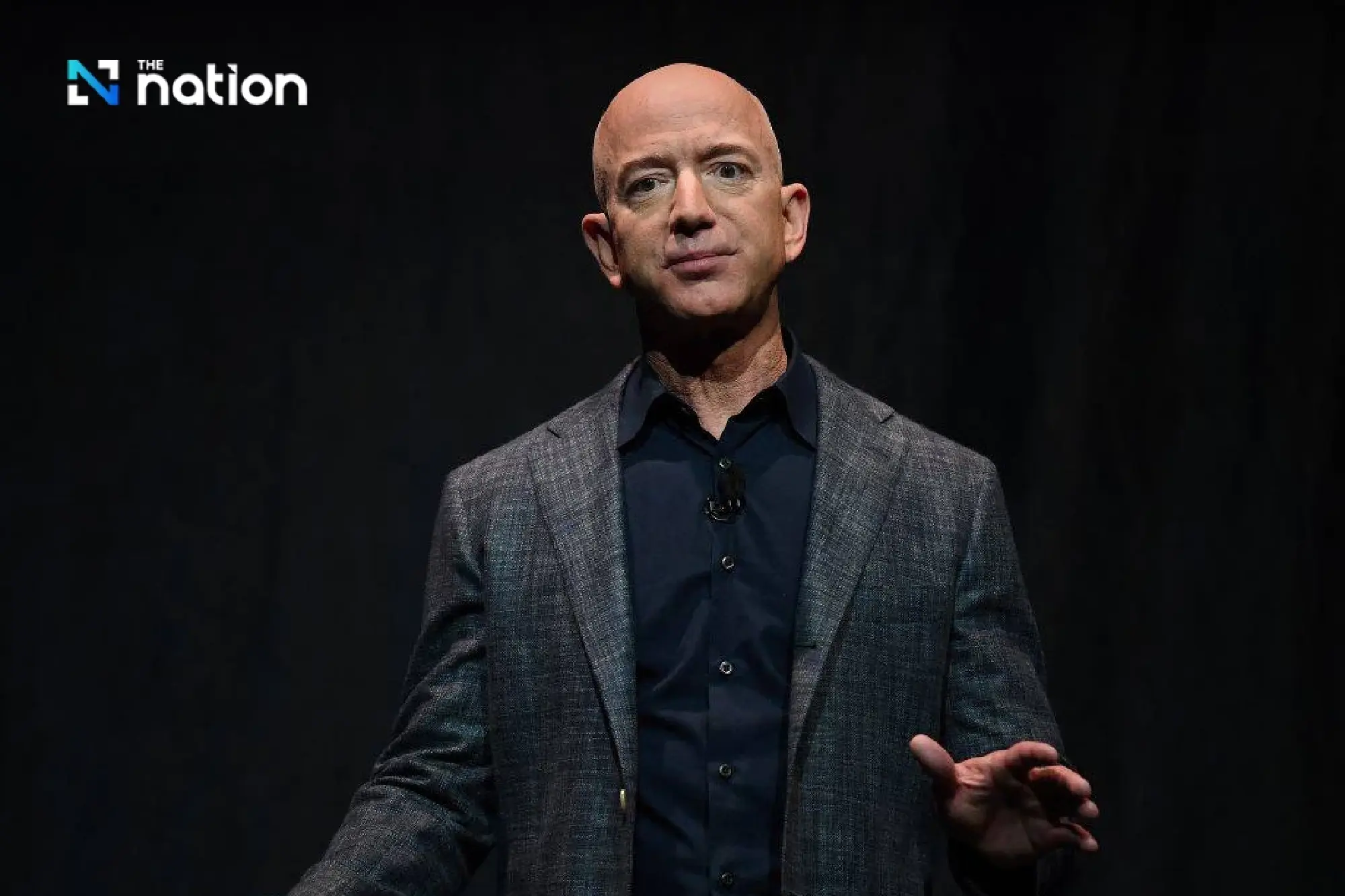

1. Jeff Bezos
Jeff Bezos, founder of the global e-commerce giant, sold 25,000,000 Amazon shares, receiving about US$5.654 billion in cash.
This was not a spur-of-the-moment decision, but part of a pre-arranged trading plan aimed at business transparency.
Bezos began executing the sale of these 25 million shares in June and July last year, around the same period he held a lavish wedding in Venice, Italy.
According to Bloomberg, since 2002, Bezos has sold Amazon shares worth more than US$50 billion in total.
The vast proceeds are often used to diversify investment risk and to provide major funding for Blue Origin, his private space exploration company.
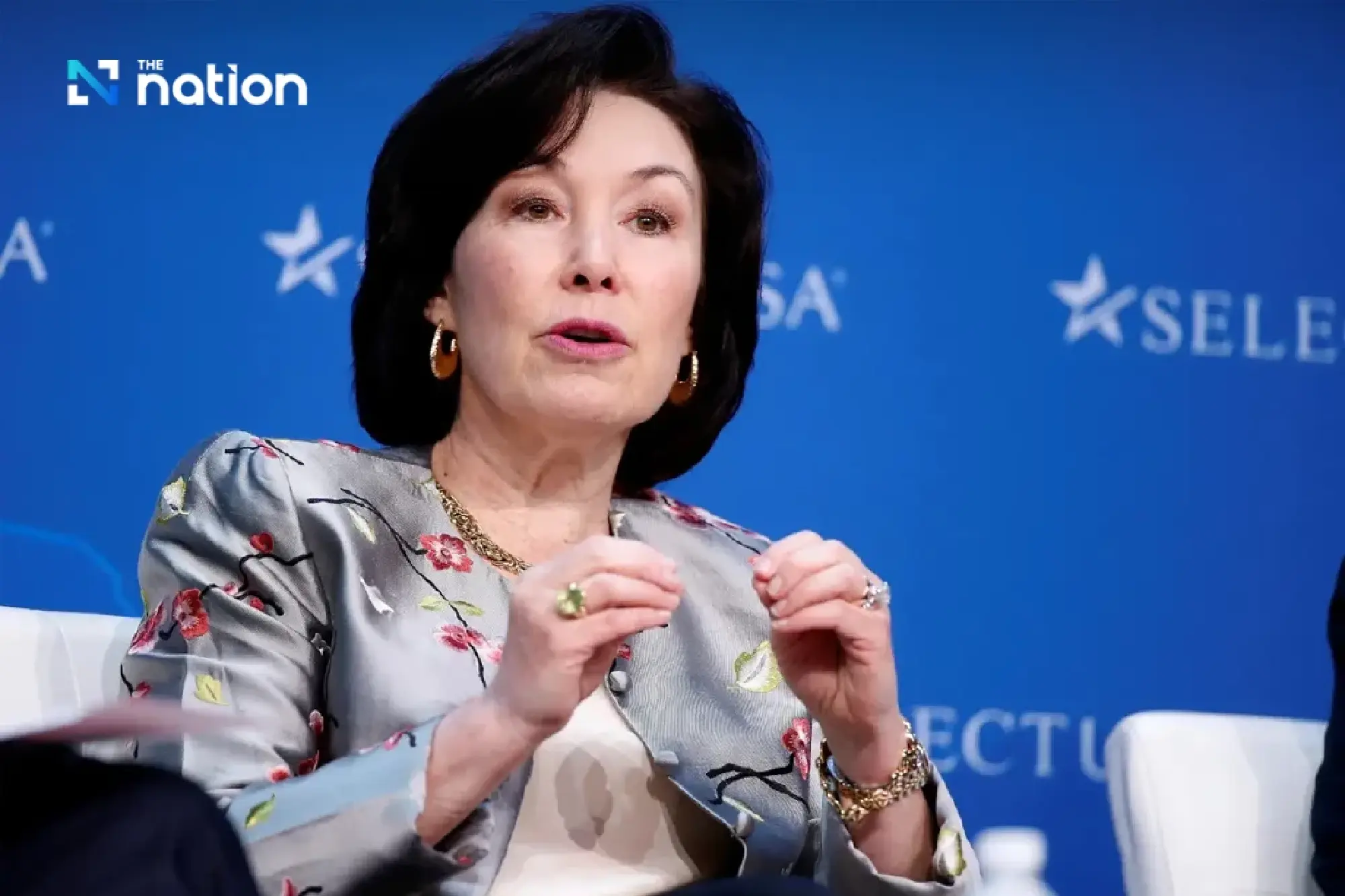

2. Safra Catz
Safra Catz, vice chair of Oracle, the US information technology giant, sold 12,500,000 shares, receiving about US$2.531 billion in cash.
Catz is known for selling shares soon after receiving them.
Last year, she exercised stock options in the first half of the year, when Oracle shares surged to record highs.
After 11 years as CEO, she stepped down in September and moved into the vice chair role.
Unlike founder Larry Ellison, who tends to accumulate and hold a large stake, Catz keeps only a small holding.
She now has about 1.1 million shares remaining and focuses more on converting holdings into cash.
In addition to her role at Oracle, she also sits on the board of Paramount Skydance Corp., which is run by Larry Ellison’s son.
Her net worth is estimated at about US$3.5 billion, excluding some holdings in Paramount.
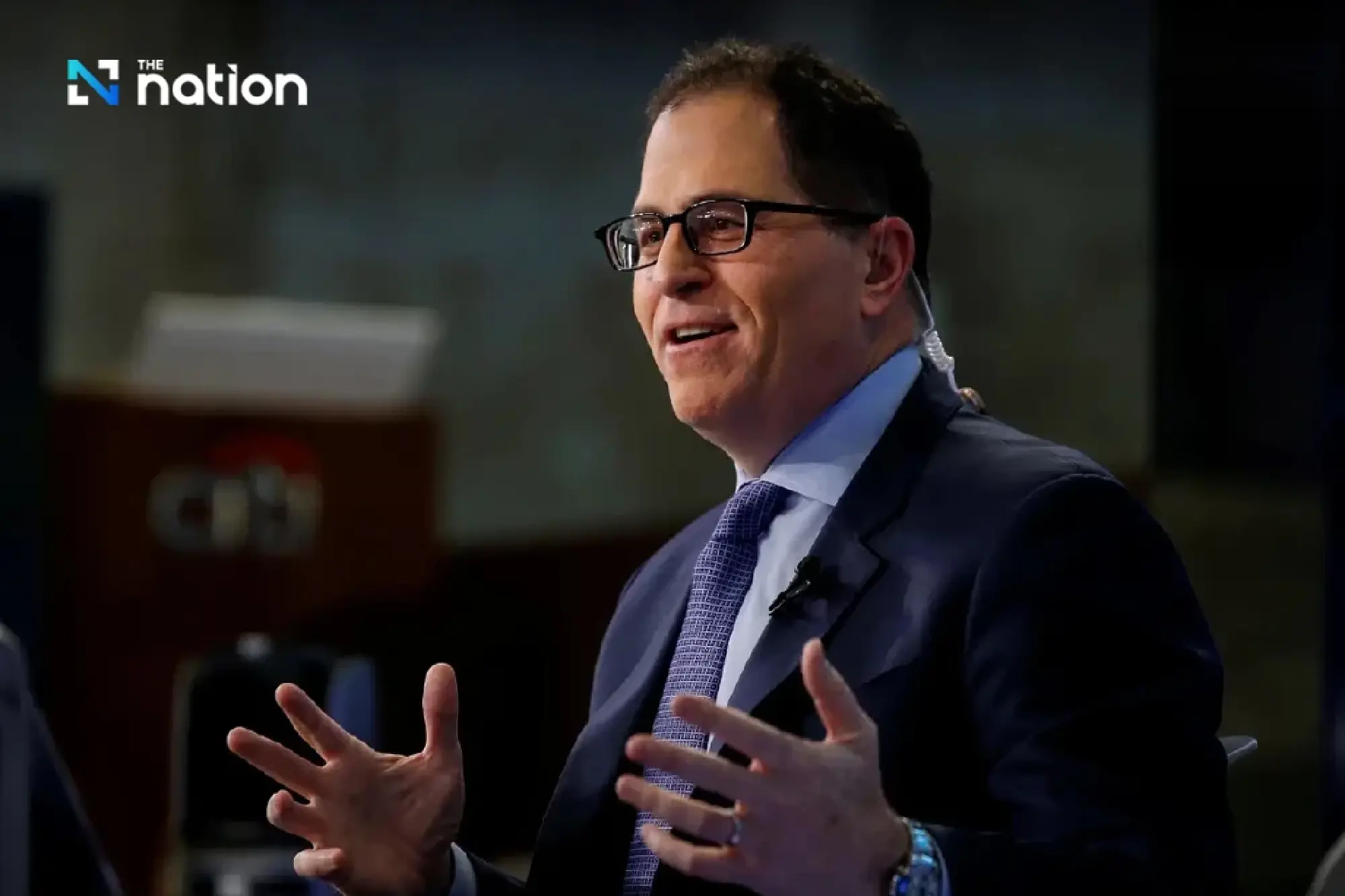

3. Michael Dell
Michael Dell, CEO of Dell Technologies, a global technology infrastructure giant, sold 16,253,968 shares, receiving about US$2.223 billion in cash.
Last December, Dell and his wife announced a major US$6.25 billion donation to set up a fund to help more than 25 million American children.
Part of that funding is expected to have come from profits he made from selling shares throughout the year.
Dell’s selling style is unusual.
Unlike many billionaires who sell via a 10b5-1 plan, Dell often decides for himself when to sell large blocks.
In 2025, he sold in two major rounds, in June and October.
Bloomberg data show that, since he began selling, Dell has generated more than US$13 billion in cash in total.
Despite the scale of sales, he still holds around 40% of Dell Technologies.


4. Jensen Huang
Jensen Huang, co-founder and CEO of Nvidia, a leading company in graphics chips and AI, sold a total of 6,000,000 shares last year, receiving about US$1.049 billion in cash.
The sale was initially expected to bring in about US$865 million, but the unstoppable AI boom continued to push Nvidia’s share price higher, taking the realised value beyond US$1 billion.
While he was gradually selling, Nvidia set a record as the world’s first US$4 trillion company in July 2025, and reached US$5 trillion in October that same year.
Huang donated more than US$300 million to charitable funds and his private foundation. However, he faces the major challenge of doubling his donations in 2026 to keep pace with the rapid rise in his wealth driven by the share price.


5. Jayshree Ullal
Jayshree Ullal, an influential Indian-American businesswoman in global technology and chair and CEO of Arista Networks, sold 7,560,143 shares, receiving about US$976 million in cash.
Like other executives, she sold via a 10b5-1 plan to maintain investor confidence.
Ullal helped drive Arista Networks sharply higher in 2025, with the share price rising nearly 50% in October, when she chose to sell and lock in profits at a new personal record.
She is one of the few billionaires on this list who is not a company founder, having risen through the ranks to become a globally wealthy CEO and one of the world’s richest female executives.
Despite selling nearly US$1 billion worth of shares, she still holds a 2.4% stake, valued at about US$6.1 billion, showing that most of her wealth remains tied to the company’s success.
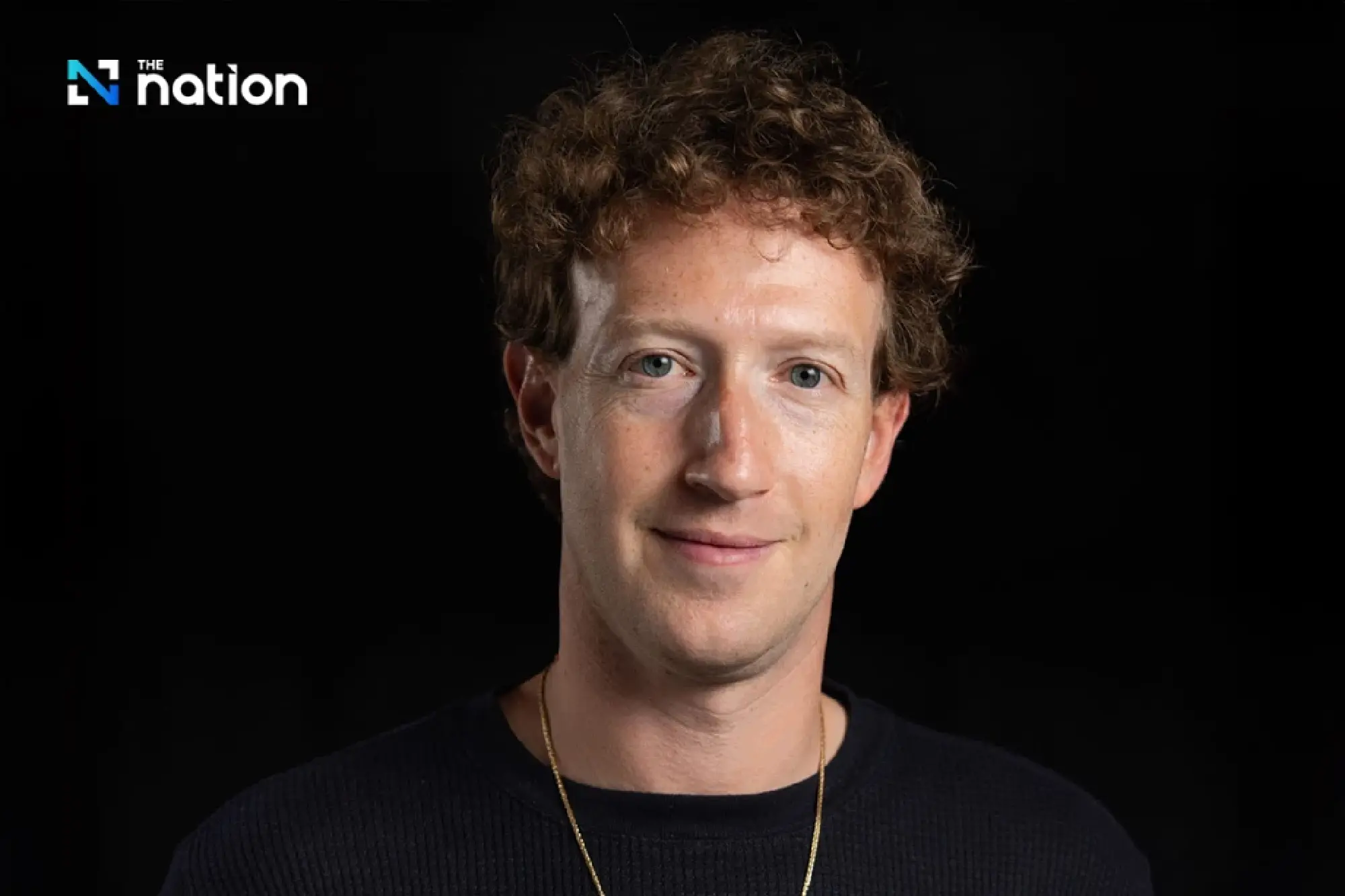

6. Mark Zuckerberg
Mark Zuckerberg, CEO and founder of Meta Platforms, sold 1,387,605 shares, receiving about US$945 million in cash.
The sales were made in his own name and through the Chan Zuckerberg Initiative (CZI), the philanthropic organisation he co-founded with his wife.
He continues to uphold his pledge to donate 99% of his shares to charity over his lifetime.
Meta shares rose 13% in 2025 as the company pushed fully into the AI era, increasing the value of the shares Zuckerberg sold.
Zuckerberg still holds about 13% of Meta, enough to retain control of the company he co-founded.
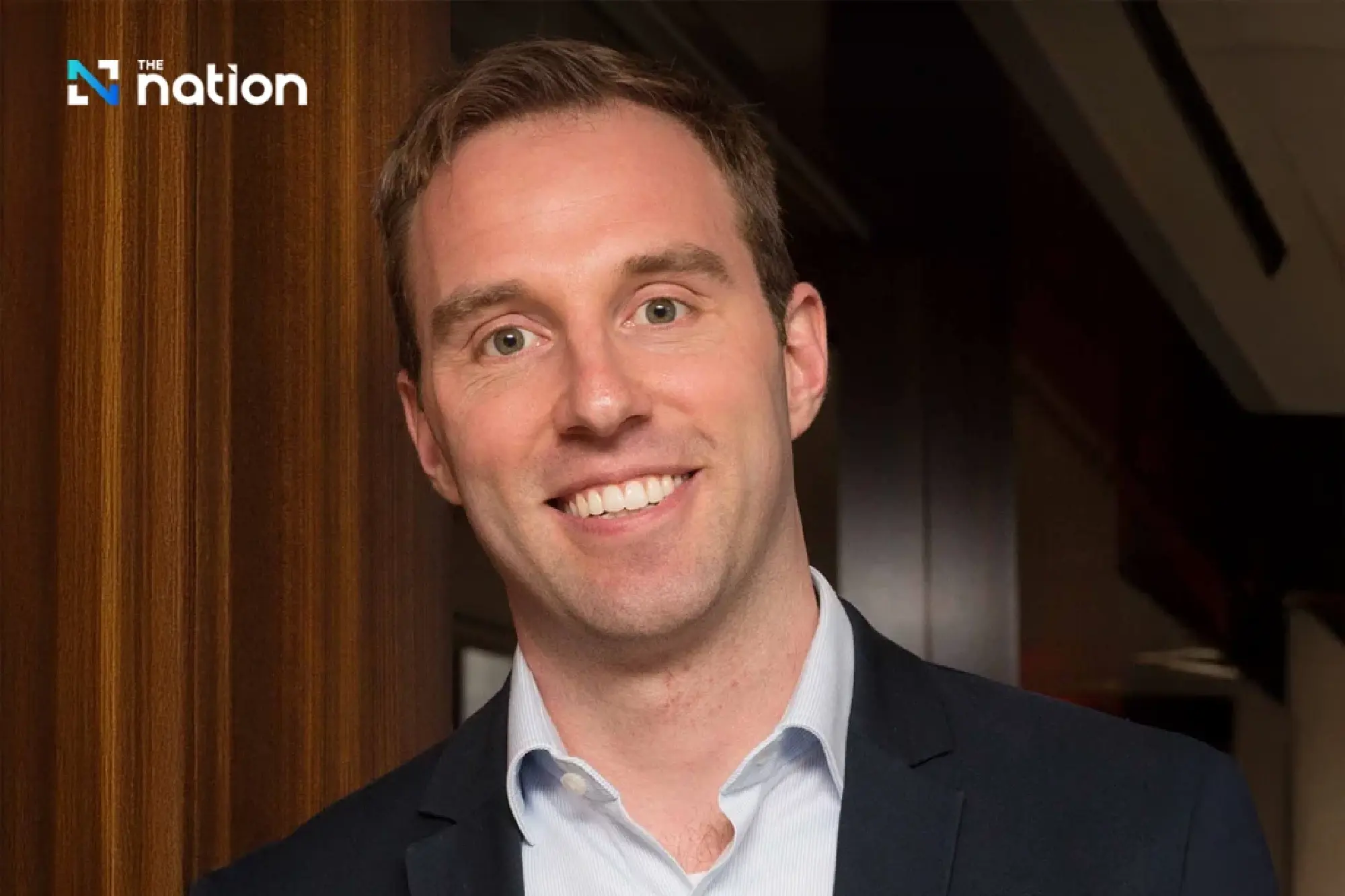

7. Max de Groen
Max de Groen, a director at Nutanix, sold 10,980,467 shares, receiving about US$831 million in cash.
As a director, he represents Bain Capital, the Boston-based investment firm, which sold about two-thirds of its Nutanix holdings.
Previously, in 2024, Bain Capital said it had no intention of selling 16.9 million shares obtained from bond conversions.
However, in 2025, it decided to sell a large block of nearly 11 million shares in March and June, during a period when Nutanix’s share price hit a high, before falling sharply later in the year after the company cut its future revenue targets.


8. Frank Slootman
Frank Slootman, CEO of Snowflake, the cloud data company, sold 3,437,162 shares, receiving about US$758 million in cash.
Slootman is a rare example of a “non-founder CEO” who built vast wealth by leading three technology companies to success, becoming wealthier than high-profile CEOs such as Apple’s Tim Cook and Microsoft’s Satya Nadella.
Although he stepped down as Snowflake CEO in 2024, he remains chairman.
In 2025, he exercised options to buy shares at a low price and then sold them at market prices through a 10b5-1 plan.
Most of his selling took place as Snowflake shares rose in response to strong demand for cloud and data services to support AI, enabling him to maximise profits from his options.
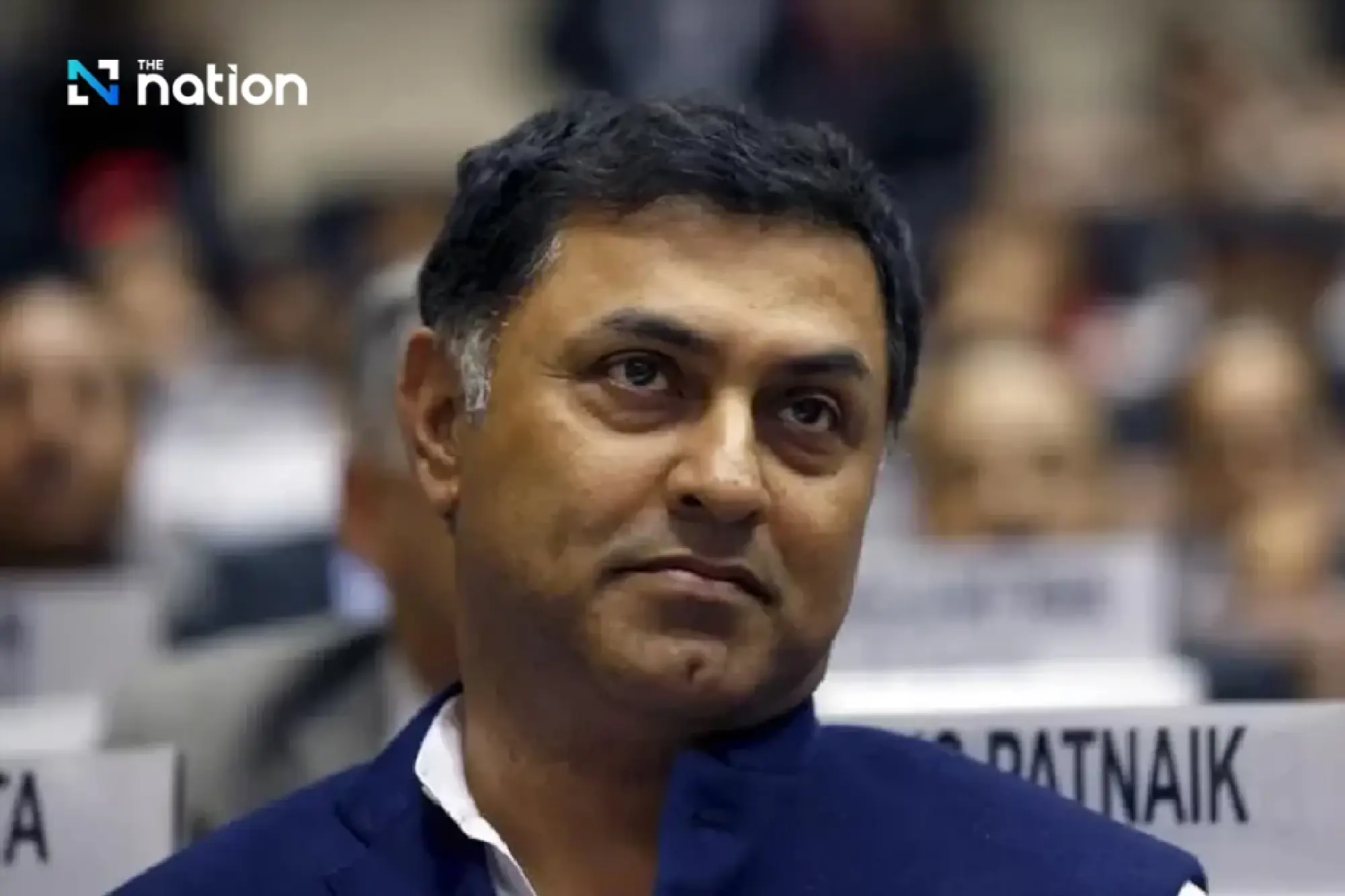

9. Nikesh Arora
Nikesh Arora, CEO of Palo Alto Networks, a US global leader in cybersecurity, sold 4,000,000 shares, receiving about US$738 million in cash.
A former top lieutenant at SoftBank, Arora was brought in to lead the cybersecurity firm on a very high compensation package, and he has delivered strong results, becoming a billionaire.
He exercised and sold shares monthly under a 10b5-1 plan, taking in nearly US$740 million in 2025 alone.


10. Baiju Bhatt
Baiju Bhatt, co-founder and former co-CEO of Robinhood, the stock-trading app, sold 7,697,404 shares in 2025, receiving about US$725 million in cash.
Robinhood shares surged fourfold in early October 2025, placing Bhatt among the world’s 500 richest people that year.
He took advantage of the rally to sell about 7.7 million shares, including millions sold beyond his original plan.
Although the share price eased later in the year, his net worth still stands at about US$6.7 billion, down from a peak of US$8.9 billion in October.
In 2025, these 10 senior executives converted company shares into cash totalling more than US$16 billion, driven largely by the AI boom and growth in cloud services.
The money has been used in various ways, including philanthropy, investment in space projects, and even buying sports teams.
