
Thailand records 381 hotspots; neighbouring countries pass 5,000, raising PM2.5 concerns
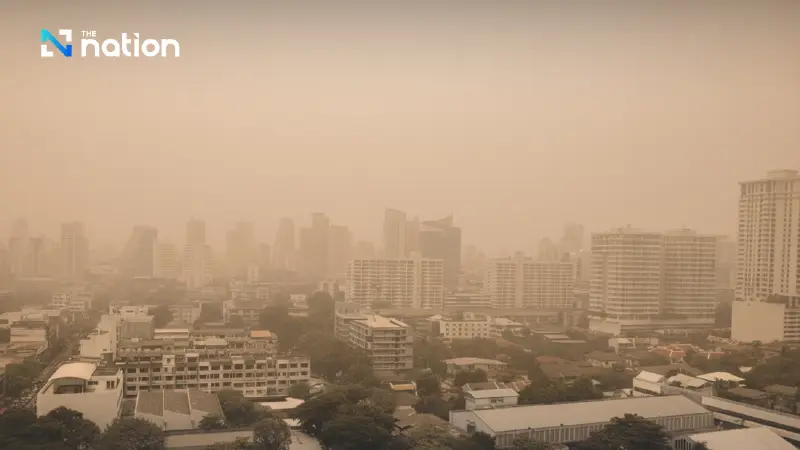


Most hotspots were detected in agricultural land and national reserved forests, while officials warned Cambodia’s spike could drive transboundary PM 2.5 into border provinces.
- Satellite data from February 10 identified 381 hotspots across Thailand, with the highest concentrations in agricultural and land reform areas.
- Neighboring Cambodia reported a significantly higher number, with 3,877 hotspots detected on the same day.
- The large number of hotspots in Cambodia raises concerns about transboundary haze pollution affecting Thailand's border provinces.
- Other neighboring countries also showed high hotspot counts, including Myanmar (902) and Laos (579).
The Geo-Informatics and Space Technology Development Agency (Public Organisation), or GISTDA, reported the latest situation based on Suomi NPP satellite data on February 10.
A total of 381 hotspots were detected in Thailand, with agricultural areas remaining the most concerning.
Hotspot breakdown in Thailand
An assessment found that hotspots were distributed across several land-use categories as follows:
- Agricultural areas: 105 hotspots
- ALRO land reform areas: 102 hotspots
- National reserved forest: 88 hotspots
- Communities and other areas: 44 hotspots
- Conservation forest: 38 hotspots
- Roadside areas along highways: 4 hotspots
Cross-border haze crisis: Cambodia surges to nearly 4,000 hotspots
Beyond the domestic situation, a key concern to monitor closely is “hotspots in neighbouring countries”, which may directly contribute to transboundary PM 2.5 pollution in Thailand.
The countries with the highest hotspot counts are:
- Cambodia: 3,877 hotspots
- Myanmar: 902 hotspots
- Laos: 579 hotspots
- Vietnam: 128 hotspots
- Malaysia: 62 hotspots
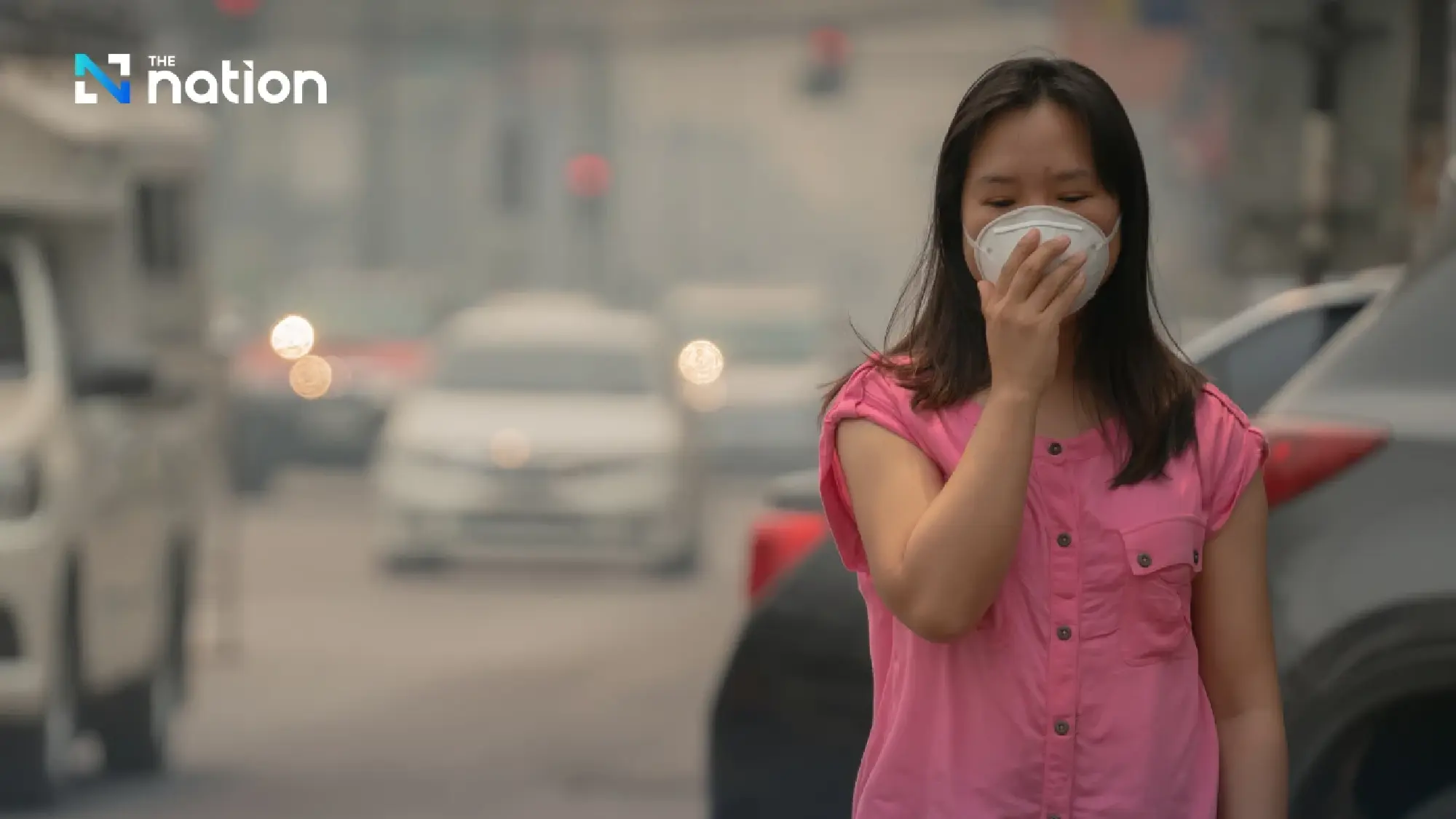
Caution: The extremely high number of hotspots in Cambodia may cause transboundary haze affecting border provinces and nearby areas. People are advised to check dust levels before leaving home and wear a face mask to protect their health.
The public can follow the situation in real time at https://disaster.gistda.or.th/fire or via related weather-reporting applications.

The Department of Disaster Prevention and Mitigation (DDPM) held a meeting to monitor the SAT situation on Wednesday (February 11).
The SAT reported PM2.5 levels above the standard in 18 provinces across the central and eastern regions, as well as Bangkok.
It also reported 381 hotspots in Thailand and more than 5,000 hotspots in neighbouring countries, and ordered tighter fire-prevention measures ahead of the Chinese New Year period on February 15–17.


Summary of today’s PM2.5 situation and hotspots
Chaiyarat Kaewphienphen, Deputy Director-General of the Department of Disaster Prevention and Mitigation, disclosed information from the 7/2026 Situation Awareness Team (SAT) meeting as follows:
- Areas where PM2.5 exceeds the standard: 18 provinces in the central and eastern regions and Bangkok, such as Nonthaburi, Pathum Thani, Samut Sakhon, Phra Nakhon Si Ayutthaya, Chonburi and Rayong
- Hotspots in Thailand: a total of 381 hotspots across 53 provinces; the highest counts were in Chaiyaphum (35), Kalasin (32), Khon Kaen (31), Nakhon Ratchasima (19), and Phetchabun and Lopburi (18)
- Hotspots in neighbouring countries: as many as 5,558 hotspots, particularly Cambodia (3,877), affecting Thailand due to wind direction

Special monitoring timeline (February 11–19)
Based on forecasts by the Thai Meteorological Department and GISTDA, people in the following areas should be prepared:
- February 11–12: Bangkok; the surrounding areas (Nakhon Pathom, Samut Sakhon); and the eastern region (Sa Kaeo, Prachinburi, Chachoengsao) due to stagnant air and poor ventilation
- February 14–19 : the North (Tak and Phetchabun) should watch for dust accumulation
- Late February–early March: monitor the West (Kanchanaburi and provinces along the Myanmar border) due to a rising risk of forest burning
Stricter measures during the “Chinese New Year festival”
DDPM reiterated fire-prevention measures during February 15–17, a high-risk period due to incense and candle lighting, burning joss paper, and firecrackers:
- Preparedness: deploy rapid-response units, firefighting equipment and lighting systems at risk points/communities
- Campaigning: use the “knock on doors” (door-to-door) approach via community leaders to raise awareness and reduce activities that cause dust and fires
- Innovation: Prachinburi has begun using machinery to manage rice stubble instead of burning, as a model to reduce agricultural pollution
Channels for updates and reporting incidents
The public can follow the situation and request assistance 24/7 via:
Applications: Thai Disaster Alert, Air4Thai, FAIPA (wildfire)
Safety hotline: 1784
Line Official: @1784DDPM (DDPM incident reporting 1784)
Facebook: Department of Disaster Prevention and Mitigation (DDPM)
