
Thailand bans civilian drones near five airports amid Thai–Cambodian border clashes
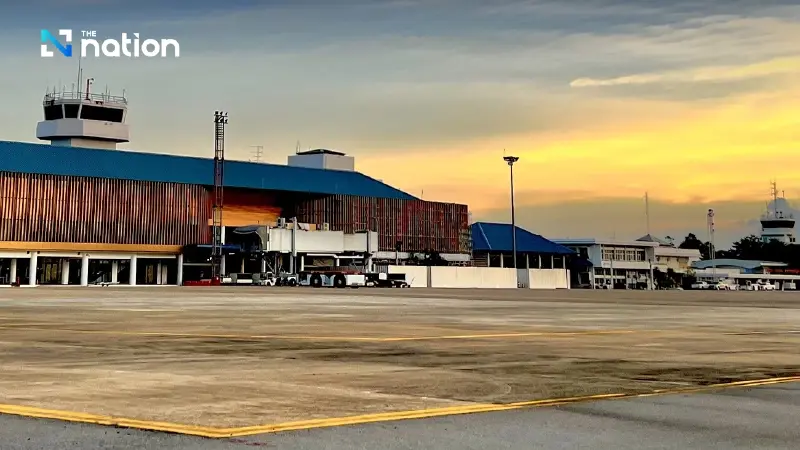


Thailand tightens its drone ban around five key airports, imposing strict no-fly zones to safeguard flight operations and support security forces amid intensifying Thai–Cambodian border clashes.
- Thailand's Civil Aviation Authority has banned civilian drones in specific areas due to the Thai-Cambodian border situation, citing national security and the safety of official operations.
- The ban applies to no-fly zones at Buriram and Ubon Ratchathani airports, and within a 9-kilometer radius of Phitsanulok, Udon Thani, and Surat Thani airports.
- Effective from December 9 until further notice, the measure is being enforced through increased surveillance, airport patrols, and coordination with police and military units.
- Authorities have warned that anyone who violates the drone ban in these restricted zones will face legal action.
Deputy Transport Minister Mallika Jiraphanwanich said on Wednesday (December 10), the Civil Aviation Authority of Thailand (CAAT) has issued Announcement No. 12 on the “prohibition of operating or releasing unmanned aircraft (drones) in areas that may affect national security during the Thai–Cambodian border situation”.
The order took effect on December 9 and will remain in force until further notice.

She said the measure is necessary to ensure the safety and effectiveness of operations by officials in the border areas, and therefore, drone controls must be strictly enforced.
Airports under the Department of Airports have been instructed to closely monitor drone activity in no-fly zones, namely Buri Ram Airport and Ubon Ratchathani Airport, as well as within a 9-kilometre (5-nautical-mile) radius of the designated airports: Phitsanulok, Udon Thani and Surat Thani.
Airports have been ordered to maintain stringent and continuous safety and security measures, particularly checks and surveillance of drone use in and around airport premises.
They are to coordinate with security agencies, including police, military units and the Counter-Unmanned Aircraft Centre in their areas, to set up special surveillance points.
“These steps are aimed at ensuring maximum security for flight operations and passenger safety, as well as enabling a rapid response to any unrest along the Thai–Cambodian border,” Mallika said.
Department of Airports director-general Danai Ruangsorn said the department is fully complying with all instructions and measures.
Airports covered by the announcement are now sharing information closely with local security agencies and are on high alert for any emergency.
He added that additional officers have been deployed and patrol frequency inside airport areas has been increased to maximise safety for travellers.
Airports have also put up notices and launched public announcements to inform people of the absolute ban on drone flights in restricted areas around airports.
Danai warned that anyone who violates the drone ban in these restricted zones will face legal action under the relevant laws.
The public to immediately report any drone activity that appears illegal or could pose a threat to security to the responsible authorities so they can take prompt action.
