
Marriott Bonvoy Debuts Flexible 24-Hour Stays in Thailand
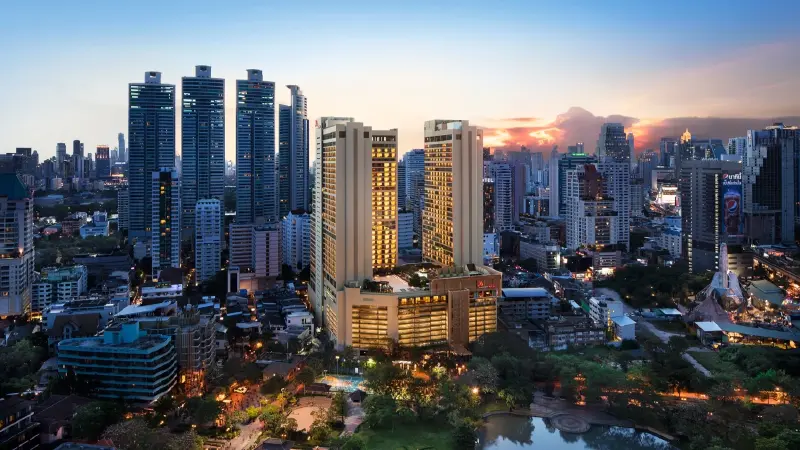


Unlock seamless travel with Marriott Bonvoy’s 24-hour flexi-stays and resort credits, perfect for urban escapes and tropical retreats across Thailand.
Bangkok, Thailand: April, 20 2026 – Marriott Bonvoy®, Marriott International’s portfolio of 30 extraordinary hotel brands and highly awarded travel program, is making it even easier to explore Thailand with a choice of richly rewarding promotions that are tailored for every occasion – from short city breaks to immersive beachfront escapes.
The “Flexi 24 Hours Stay” promotion promises a full 24-hour stay in Bangkok, whatever time the guest arrives at their chosen hotel. Under this flexible offer, travelers can check in at any hour of day or night, then enjoy their room or suite until the time comes to check out – at exactly the same time the following day. With breakfast for two people also included in the rate, this is a seamless and stress-free way to travel for a business meeting, a shopping trip or a quick stopover.

Available at participating Bangkok hotels under Premium, Long Stay, and Select Service brands.
Best for: short stopovers, shopping trips, quick city breaks, flexible staycations
• Check in anytime. Check out exactly 24 hours later.
• Daily breakfast for two people.
• Marriott Bonvoy members earn points and Elite Night Credits.
• Book & stay within 30 September 2026.
The “Flexi 24 Hours Stay” promotion is available at participating Premium, Select and Long-Stay hotel brands in the Thai capital, for bookings and stays between now and September 30, 2026. Check out the list of participating hotels and book your stay, here (https://www.marriott.com/offers/24hr-flexi-stays-in-bangkok-off-221742).

Marriott Bonvoy is also inviting its esteemed members to “Stay, Spend, Savor” in Thailand with an indulgent new promotion. Perfectly suited to couples and families on vacation in some of the kingdom’s finest hotels and resorts, this offer empowers visitors to enhance their stay with generous hotel credit, which can be redeemed for dining experiences, daytime refreshments, sunset drinks or soothing spa therapies. Plus, start every day right, daily breakfast for two people included with every eligible stay.
Available at participating hotels & resorts under Luxury tier hotels, as well as properties under Premium brands in resort destinations.
Best for: romantic getaways, family vacations, special‑occasion escapes, leisure breaks
• Receive THB 1,000 in bonus credit for every THB 3,500 spent on dining, drinks, and spa.
• Earn up to THB 2,000 in bonus credit per stay.
• Marriott Bonvoy members earn points and Elite Night Credits.
• Book & stay within 30 September 2026.
Explore more detail here (https://www.marriott.com/offers/stay-spend-savor-off-221775).

Available at participating properties under Select Service brands in resort destinations.
Best for: friends’ getaways, solo escapes, casual leisure trips, activity‑focused stays
• Receive THB 500 in bonus credit for every THB 1,500 spent on dining, drinks, and spa.
• Earn up to THB 1,000 in bonus credit per stay.
• Marriott Bonvoy members earn points and Elite Night Credits.
• Book & stay within 30 September 2026.
Explore more detail here (https://www.marriott.com/offers/stay-spend-savor-in-thailand-off-221768).
The “Stay, Spend, Savor” promotion is available at participating hotels and resorts, for bookings and stays between now and September 30, 2026. Start planning your next trip with “Stay, Spend, Savor”,
So, whether you’re planning a city break in the Thai capital, an island escape in Phuket or Koh Samui, or a beachside vacation in Khao Lak, Hua Hin, Pattaya or Rayong, Marriott Bonvoy will power-up your next adventure in the “Land of Smiles.”

