
Tourism industry wary of prolonged impact of Japan-China tensions
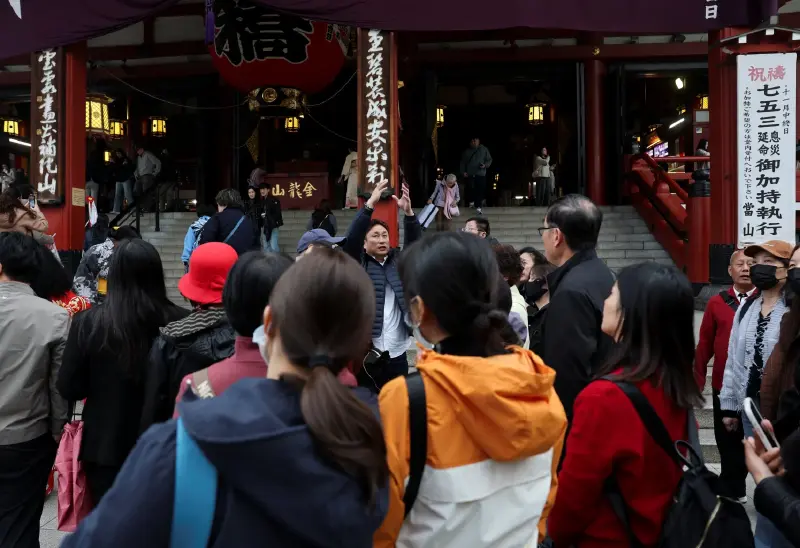


Japan's tourism industry is concerned that the current tensions between Japan and China over Taiwan could have a prolonged impact on Friday (December 5).
- Political tensions have led to widespread flight and hotel cancellations from Chinese tourists, with flights at Kansai Airport cut by 34% and hotel cancellations in Osaka reaching up to 70%.
- The cancellations are causing a significant financial blow to the tourism sector, as Chinese visitors were previously the largest group of tourists and the top spenders in Japan.
- The negative impact is expected to persist for months, prompting some tourism businesses to mitigate risk by diversifying and attracting tourists from other regions like Europe and the United States.
Amid the tensions, the Chinese government has advised its citizens not to visit Japan, resulting in flight and hotel room cancellations.
According to the operator of Kansai International Airport in the western Japanese prefecture of Osaka, the number of flights scheduled for December between the Japanese airport and mainland China, excluding Hong Kong and Macau, has been cut by 34 % from the initial plan.
This is because Chinese airlines are reducing flights, and the airport operator expects the number of such flights to fall by an average of 28 % between January and March.
In Osaka, about 50 to 70 % of reservations made by Chinese nationals for the rest of this year have been cancelled at 21 hotels.
"Hotels that have relied heavily on demand from Chinese travellers are taking a major financial blow," Osaka Convention & Tourism Bureau President Hiroshi Mizohata said at a press conference.
In the past, the number of tourists from China slumped amid strained Japan-China ties over the Senkaku Islands, which are administered by Japan but also claimed by China, and during the COVID-19 pandemic.
However, the tourist number reached around 8.2 million in January-October this year.
The figure was the highest among countries or regions of origin.
Chinese tourists were also the top spenders, boasting a significant presence in the Japanese tourism landscape.
In the western Japanese city of Kyoto, Chinese nationals have accounted for nearly 20 % of all non-Japanese hotel guests.
The Kyoto City Tourism Association estimates that the hotel room occupancy rate could fall by about 6% in January if demand from Chinese tourists halves.
The association warned that the negative impact will likely persist until the Lunar New Year holiday period.
Some in the tourism industry remain calm, thanks to lessons learned from the past cases.
Gamagori Hotel in the central city of Gamagori, Aichi Prefecture, was hit by cancellations from Chinese tour groups this time, but the current situation is "well within expectations, given that (cancellations) have occurred whenever Japan-China relations soured," said a hotel official.
"We understand the risk," the official noted.
Some businesses have stepped up efforts to attract tourists from various countries, instead of relying on tourists from specific countries or regions.
Joyful Sightseeing, a Tokyo-based company operating bus services exclusively for tourists from abroad, forecasts a loss of 40 million yen for December due to cancellations of bookings from China, but estimates that this will not significantly impact its overall earnings.
The bus operator already has many customers from Europe and the United States.
"We can find demand from other countries (than China)," said company executive Yuri Harada.

[Copyright The Jiji Press, Ltd.]
