
Youth clinics addressing sexual concerns in Japan


Youth clinics offering consultations on sexual and physical health concerns at affordable prices are expanding their reach in Japan, though public awareness remains limited.
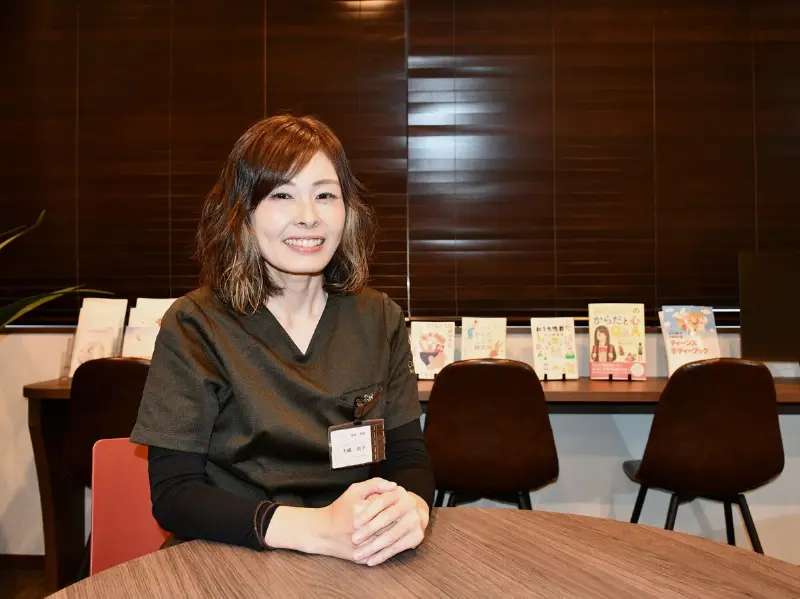
Shoko Kizaki, a 45-year-old obstetrician and gynaecologist who has run a youth clinic for about four years, said on Sunday (December 28), "We want people to come without worrying alone or feeling nervous."
Youth clinics originated in Sweden in the 1970s.
As of fiscal 2022, Japan had about 60 such facilities, which provide free or low-cost consultation services mainly for individuals aged 25 or younger.
When Kizaki opened her obstetrics and gynaecology clinic in Yokohama, Kanagawa Prefecture, near Tokyo, in October 2021, she included a youth clinic to "make women's health clinics more accessible and create an environment where people can talk casually from a young age."
Nurses and midwives listen to young people from junior high school students to those in their early 20s for about 30 minutes for 500 yen.
No public health insurance card is required.
Many of those seeking advice are females, and many cases concern menstruation and premenstrual syndrome.
Nurses may recommend a visit to a gynaecologist if they believe a medical examination is necessary, such as for irregular periods or severe menstrual pain.
Some visitors ask how to prevent pregnancy, while others express concerns about their strong sexual desire.
Nurses listen carefully to these concerns, provide accurate information and recommend testing for sexually transmitted infections when necessary.
Some clients even travel from outside Kanagawa to visit Kizaki's youth clinic.
"I feel that we've been able to provide a place where (clients) can talk," Kizaki said.
"I want this to be the first step for people who don't know where to seek advice."
The problem is a lack of funds.
Kizaki expressed mixed feelings, stating, "I want the clinic to be known more widely so that more people will come, but I can't easily expand my reach."
There are no subsidies from central or local governments for the youth clinic.
Youth clinics often rely on revenues from their main medical services, according to Sowledge, a Tokyo organisation that supports the spread of sex education.
"We need to change the situation where (consultation services) are run like volunteer work," said Sowledge leader Riho Suzuki, 29.
The organisation also raises donations for youth clinics. Suzuki emphasised, "It's important for children to have a reliable place where they can seek sex advice."
Sowledge aims to support the stable operations of youth clinics through policy proposals and other efforts.

[Copyright The Jiji Press, Ltd.]
