
TEPCO’s Kashiwazaki-Kariwa reactor back online
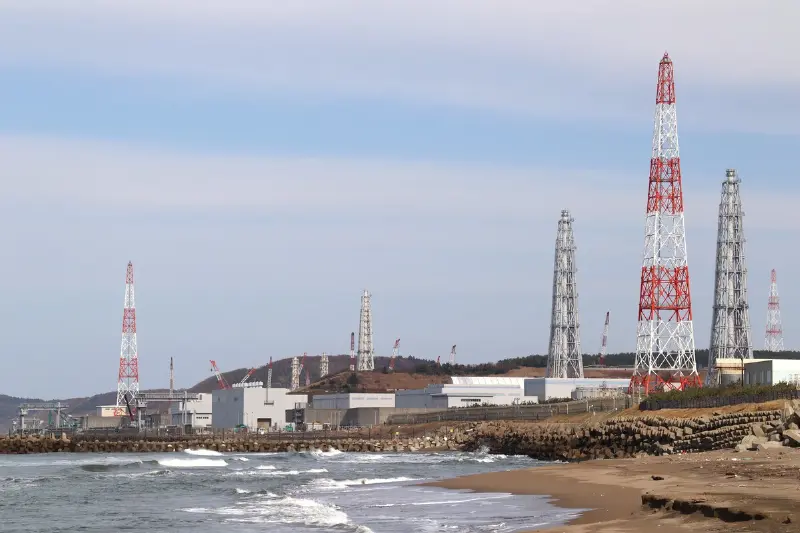


Tokyo Electric Power Company Holdings Inc. said Monday (February 9) it restarted the No. 6 reactor at its Kashiwazaki-Kariwa nuclear plant in Niigata Prefecture the same day after a series of control rod-related problems, aiming to bring it back into commercial operation on March 18.
If things go smoothly, the Kashiwazaki-Kariwa unit will be the first TEPCO reactor to operate commercially since the 2011 triple meltdown at the Fukushima No. 1 nuclear plant.
The reactor reached criticality at 3:20 pm, TEPCO said.
The operator will then gradually raise the reactor's inner pressure so it can begin producing and transmitting electricity on February 16.
Thereafter, the running-in operation will be suspended on February 20 or later for facility inspections.
The company expects the Nuclear Regulation Authority to give the nod to the reactor's commercial operation in the wake of a final check slated for March 18.
TEPCO was initially scheduled to turn on the reactor on January 20 for the first time in 13 years and 10 months, but it pushed back the restart by one day due to a problem detected in an advanced control rod withdrawal test.
The reactor went back online on the night of January 21 and was put into a cold shutdown in the small hours of the following day after an alarm sounded during work to pull out control rods to initiate the fission process.
The company said it had identified an alarm setup problem in the system to move control rods and fixed it.
"We will proceed (toward the commercial operation) step by step while coping with anything that may happen," said Kashiwazaki-Kariwa plant chief Takeyuki Inagaki.
The seven Kashiwazaki-Kariwa units are boiling water reactors like those at the crippled Fukushima plant.
After all the reactors at the Niigata plant went offline in March 2012, the No. 6 unit passed the NRA's safety screenings, crucial for its restart, in 2017.
The procedures necessary for TEPCO to gain local consent for the restart were completed in December last year, following the end of the NRA's effective ban on the operation of the reactor due to faulty antiterrorism measures.
Including the Kashiwazaki-Kariwa unit, 15 reactors have so far been restarted in Japan under the new safety screening standards, introduced by the authority in 2013.
