
Japan panel oks medical products using iPS cells
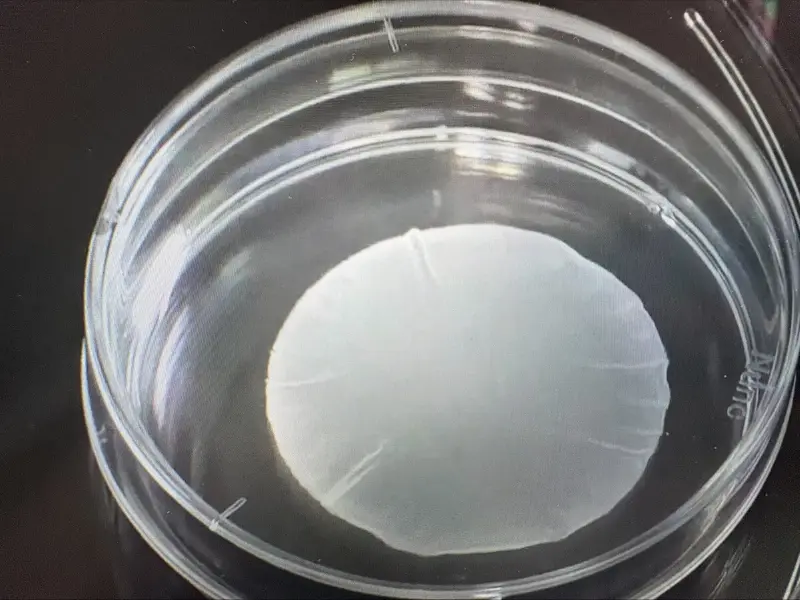


Japanese panel of experts on Thursday (February 19) gave the green light for the health minister to approve the production and sale of two regenerative medical products that use induced pluripotent stem, or iPS, cells.
The products, if approved by the minister, are expected to be the world's first of their kind.
The panel examined the products under a conditional approval system.
Even if approved, additional data on the products will be collected for up to seven years.
The products, cardiomyocyte patches for heart disease patients and dopaminergic neurons for Parkinson's disease patients, were developed by Cuorips Inc., a startup originating from the University of Osaka, and Sumitomo Pharma Co., respectively.

While iPS cells are made with cells taken from patients themselves or others and are expected to reduce rejection reactions, ensuring long-term safety has remained a challenge.
In 2020, a University of Osaka team transplanted an iPS-derived cardiomyocyte patch into a patient suffering from heart failure due to ischemic cardiomyopathy for the first time in the world.
The team tested the patches, which are 4 to 5 centimetres in diameter and about 0.1 millimetre thick, on eight patients by 2023 and confirmed their safety and efficacy.
The dopaminergic neurons were tested on patients in their 50s and 60s by Kyoto University Hospital and others between 2018 and 2023.
About 5 million to 10 million neural cells were transplanted into the brain centre.
Following a two-year observation period, four out of six patients showed improvements in motor function.
There were no serious side effects from the neurons, which were especially effective on younger patients with milder symptoms.

[Copyright The Jiji Press, Ltd.]
