
JR East to raise fares for 1st time since privatisation
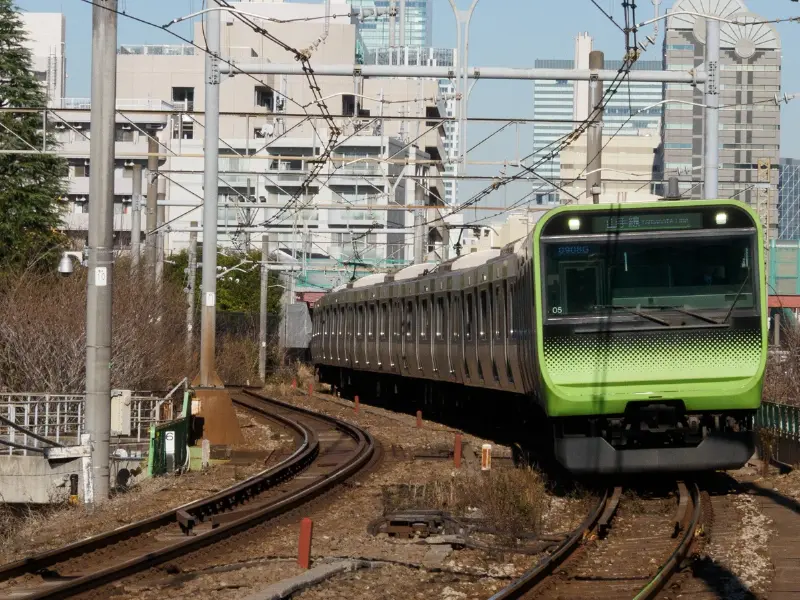


East Japan Railway Co., or JR East, will increase fares by an average of 7.1% on Saturday, marking the first full-scale fare revision since the privatisation of Japan National Railways in 1987, excluding changes due to consumption tax hikes.
The starting fare for tickets on the Yamanote Line in Tokyo and other lines will rise by 10 yen to 160 yen. The price hike is expected to generate 88.1 billion yen in additional revenue per year.
The additional revenue will be used for maintenance and renewal of railway facilities and disaster countermeasures.
While its earnings are robust, JR East sees passenger numbers on rural routes continuing to decline. Regular use of its trains is about 80 per cent of the pre-pandemic levels due to increased remote working.
The company believes that the fare increase is necessary to address inflation and labour shortages.
"We are very sorry for the fare revision, but we hope people will understand our determination to ensure safety," JR East President and CEO Yoichi Kise said.
Fares will increase by 7.8 per cent for ordinary tickets, 12.0 per cent for commuter passes, and 4.9 per cent for school passes.
For the Yamanote Line, fares will rise by 16.4 per cent for ordinary tickets, 22.9 per cent for commuter passes, and 16.8 per cent for school passes.
The fare between Tokyo and Shinjuku stations will increase by 50 yen to 260 yen. The monthly commuter pass price for the section will rise by 1,550 yen to 7,840 yen.
JR East will keep intact the prices of commuter passes covering certain regional areas to ease household financial burdens.
On Jan. 16, the company experienced a series of disruptions, including prolonged service suspensions on the Yamanote Line and the Keihin Tohoku Line due to a power outage.
In response, it plans to increase its reserves for repair work and hire more technical staff.

[Copyright The Jiji Press, Ltd.]
