
Japan's fishing industry buckles under Middle East oil shock
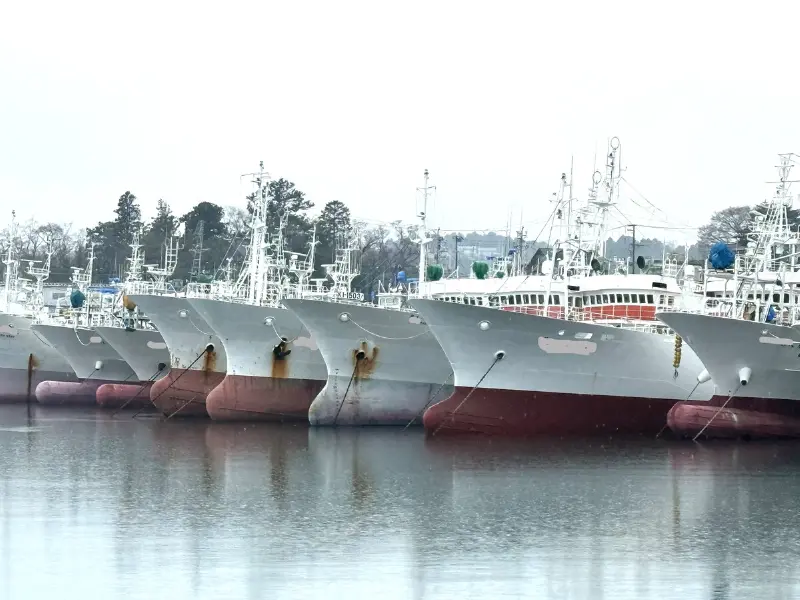


Japanese fishing operators are struggling with soaring fuel, bait and shipping supply costs as Middle East tensions drive up crude prices and erode margins.
- Soaring fuel prices have caused operational costs for fishing boats to double or triple, making voyages unprofitable and forcing some to shorten trips or stay in port.
- The oil shock has also increased the cost of essential oil-based supplies beyond fuel, including styrofoam shipping containers and ship paints.
- High fuel costs are creating internal supply chain disruptions, such as a lack of bait fish because the vessels that catch them can no longer afford to operate.
- Fishing operators are unable to pass the rising costs on to consumers, leading to a severe profit squeeze and requests for government aid.
High crude oil prices, reflecting the turmoil in the Middle East, have hit the Japanese fishing industry hard, including through surges in costs for fuel and related equipment.
The owner of a company in the city of Kesennuma, Miyagi Prefecture, northeastern Japan, which has six longline tuna fishing boats for distant-water operations, said, "We used to spend about 130 million yen on fuel per ship a year, but fuel prices have now jumped two to three times in South Africa, where our boats are refuelled."
Revenue from tuna caught is almost offset by fuel costs, the company owner added, expressing concern over the situation.
"Our bonito boats sail for days to find fishing grounds, but many of them now return early as fuel is expensive," a fishing industry official in the city of Katsuura, Chiba Prefecture, eastern Japan, said.

In the southwestern city of Kagoshima, bonito fishing boats are sometimes unable to sail out due to a lack of bait. An official explained that high fuel prices are preventing purse seine fishing boats that catch Japanese anchovy, a bait for bonito, from going out to the sea.
A fisher in the city of Atami, Shizuoka Prefecture, central Japan, who catches mackerel, horse mackerel, Japanese Spanish mackerel and other fish using fixed nets has also been impacted.
Prices of styrofoam containers used to ship fish hauls continue rising, and it is becoming difficult to secure crude oil-based ship paints, the fisher said.
Distribution networks for natural fish are more complicated than those for other foods, making it difficult for fishing operators to pass on higher costs caused by rising fuel prices to consumers.
Industry organisations in the country have asked the government for emergency aid to help fishery operators weather their ongoing plights.

[Copyright The Jiji Press, Ltd.]
