
WHO launches US$518m plan to contain major Ebola outbreak in Africa
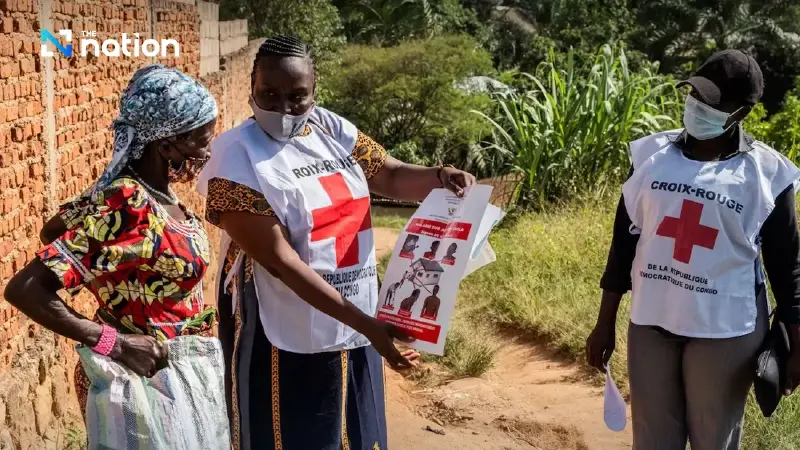


The WHO and Africa CDC have launched a US$518 million emergency plan to contain the Bundibugyo Ebola outbreak in DR Congo and Uganda over the next six months.
The World Health Organization (WHO) has launched a US$518 million emergency action plan to control the Ebola outbreak in Africa over the next six months, amid concerns that the outbreak is spreading rapidly and has become the fourth-largest Ebola outbreak ever recorded.
The WHO and the Africa Centres for Disease Control and Prevention said the plan aims to support the Democratic Republic of the Congo and Uganda in containing transmission, while helping neighbouring countries prepare for possible cross-border cases through screening, surveillance and stronger public health systems.
Tedros Adhanom Ghebreyesus, director-general of the WHO, said the situation was moving faster than public health agencies’ ability to respond.
“Controlling Ebola requires political will, sustained financial support and trust from communities,” Tedros said, calling on the international community to urgently mobilise resources to stop the outbreak.

Worst outbreak yet of a rare strain
Officials from Africa CDC acknowledged that the outbreak had been spreading for several weeks before it was detected, leaving public health authorities racing to catch up and facing serious challenges in controlling the disease.
Latest figures show that DR Congo has confirmed 452 infections and at least 82 deaths, while Uganda has reported 19 cases and two deaths.
The outbreak is caused by the Bundibugyo strain of Ebola, a rare strain for which there is currently no officially approved vaccine or treatment.
Jean Kaseya, director-general of Africa CDC, said this was the most severe Bundibugyo Ebola outbreak ever recorded when compared with previous outbreaks.
Although international donors have pledged US$315.8 million, the figure remains below the amount needed to respond to the crisis.

Cases jump by 71 in one day
The latest situation in DR Congo has raised further concern after the government announced 71 new confirmed cases within 24 hours, one of the highest daily increases since the outbreak was declared on May 15.
A report by DR Congo’s health ministry said most of the cases were in Ituri province in the country’s northeast, a remote area with limited health infrastructure and long-running insecurity caused by armed groups.
Of the 71 new cases, 65 were reported in Ituri and six in North Kivu, reflecting continued and rapid community transmission.
Cases have now been reported in 17 of Ituri’s 36 health zones, as well as seven health zones in North Kivu and one in South Kivu. Uganda, which shares a border with DR Congo, has also begun detecting transmission.

Testing problems and public mistrust hinder response
One of the main obstacles in the current response is diagnosis. Ebola test kits widely used in the early stages were not able to detect the Bundibugyo strain effectively, causing delays in confirmation.
Frontline officials said that in some cases, test results took several days, or even more than a week, making it harder to isolate patients and control transmission.
Public mistrust of government officials and health organisations is also a major challenge, with reports of attacks on burial teams and treatment centres.
To address security risks, the WHO said it had received three armoured vehicles from the United Nations peacekeeping mission in DR Congo to support operations in high-risk areas.

Concern over cross-border spread
Public health experts warn that unless the outbreak is brought under control quickly, the disease could spread further to other countries in Central and East Africa, especially in areas with regular cross-border movement.
The WHO and Africa CDC’s US$518 million emergency plan is therefore being seen as a major attempt to prevent this Ebola outbreak from developing into a wider regional or global public health crisis.
