Kenyans protest a planned US Ebola quarantine centre as DRC cases near 300 and CEPI backs three Bundibugyo vaccine candidates
Hundreds of residents in central Kenya have protested against a US-backed plan to set up an Ebola quarantine facility at a local military base, as a fast-moving outbreak in the Democratic Republic of Congo continues to alarm health authorities.
The protest took place in Nanyuki, a town in central Kenya near Laikipia Air Base, where the proposed 50-bed facility would be located.
The site is intended to isolate and monitor American citizens who may have been exposed to Ebola while working in Africa, rather than sending them back to the United States for quarantine.
The plan has triggered anger among local residents, who fear the facility could bring a deadly virus closer to their communities.
Protesters block roads near air base
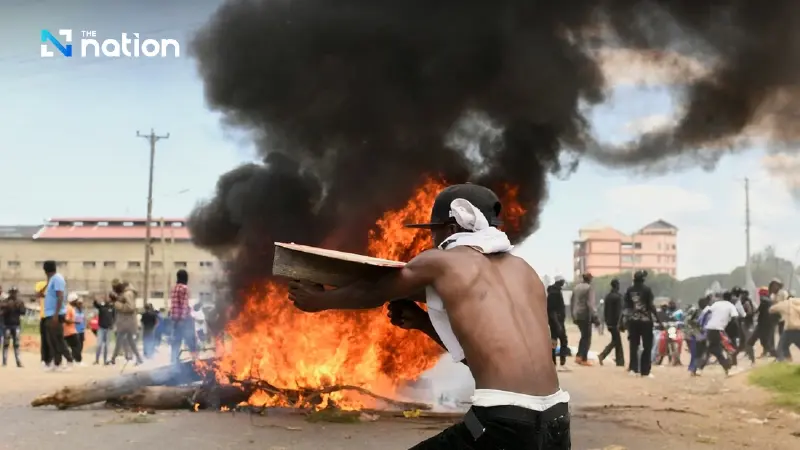
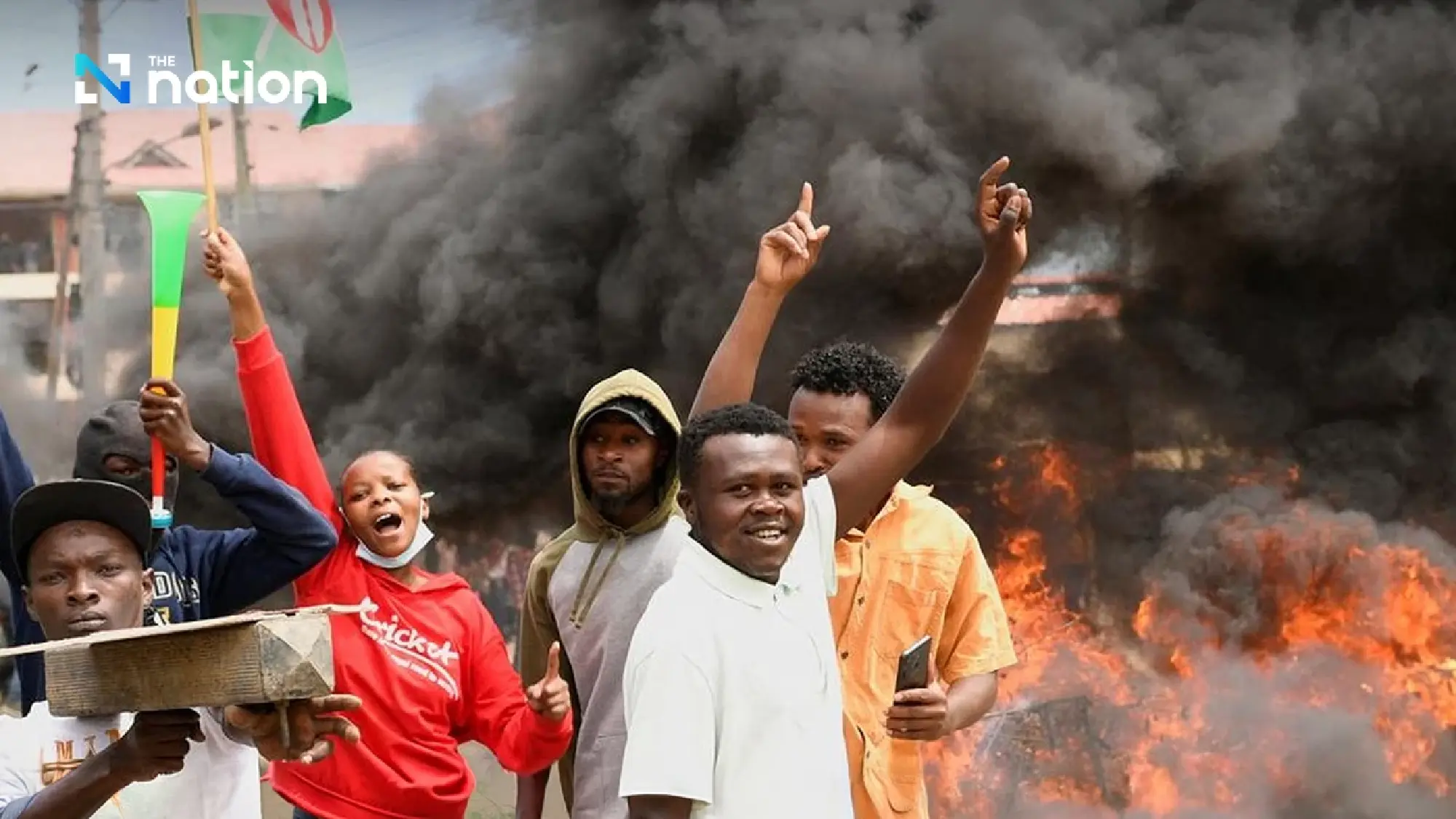
Most of the protesters were young people from Nanyuki.
They blew whistles, blocked major roads and set fire to barriers near routes leading towards Laikipia Air Base.
The protest caused tension in the town, with local businesses closing temporarily for safety reasons.
The unrest followed a temporary order by Kenya’s High Court suspending the quarantine plan and the entry of foreign patients while a legal challenge is considered.
However, residents said they had seen US military C-130 transport aircraft flying in and out of the base over the weekend, fuelling suspicion that preparations were continuing despite the court order.
The protest reflected wider anger among local communities and officials in Laikipia, who have questioned why people potentially exposed to Ebola should be quarantined in Kenya if Washington is reluctant to bring them back to the United States.
US offers funding as local resistance grows
US Secretary of State Marco Rubio said the Trump administration intended to provide US$13.5 million to help Kenya improve Ebola preparedness.
The support was linked to arrangements for American citizens at risk of exposure to be quarantined in Kenya.
Kenya’s government has defended the facility as part of broader emergency-response strengthening, while local opponents argue that the community has not been properly reassured about safety, oversight or legal safeguards.
Reuters reported that Kenyan Health Minister Aden Duale said the facility would support the country’s emergency preparedness, but residents and local leaders have continued to demand that the centre be moved out of Kenya.
DRC outbreak nears 300 confirmed cases
The protests come as the Ebola outbreak in the Democratic Republic of Congo continues to worsen.
The DRC Health Ministry has reported at least 282 confirmed cases, with Ituri province in the east of the country remaining the hardest-hit area. Of those cases, 264 were reported in Ituri.
Suspected cases across the country have risen above 1,000, while confirmed deaths have reached 42 in DRC and one in Uganda.
The current outbreak is caused by the Bundibugyo virus, a rare Ebola strain for which there is no approved vaccine or specific approved treatment.
WHO earlier determined that the outbreak in DRC and Uganda constituted a public health emergency of international concern.
As of May 16, WHO had reported confirmed and suspected cases in Ituri, with early signs pointing to a potentially much larger outbreak than official detection was capturing at the time.
The Bundibugyo strain has spread across 22 health zones in three eastern DRC provinces, creating major challenges for health workers.
Local clinics are facing shortages of protective equipment, while contact tracing remains difficult in remote and insecure areas.
The response has also been complicated by violence involving armed groups, including the ADF and M23, which has disrupted access to affected communities.
In the Beni area, attacks by armed groups have reportedly killed civilians and further obstructed the work of public health teams.
Health agencies have warned that insecurity, distrust of medical workers and weak surveillance could allow the outbreak to spread further if containment efforts are delayed.
WHO points to signs of recovery
Despite the severity of the outbreak, WHO has pointed to some signs of hope.
WHO Director-General Dr Tedros Adhanom Ghebreyesus travelled to Bunia, the capital of Ituri province, where he opened a new Ebola treatment centre and met health workers involved in the response.
WHO has also highlighted the recovery of infected medical personnel, including nurses and a laboratory worker, as evidence that early medical care can save lives.
Health authorities continue to urge people with symptoms or possible exposure to seek medical attention quickly rather than staying at home or avoiding health teams.
CEPI funds three vaccine candidates
The Coalition for Epidemic Preparedness Innovations, or CEPI, has announced funding of up to US$62 million to accelerate three vaccine candidates targeting the Bundibugyo strain.
The candidates are being developed by IAVI, Moderna and the University of Oxford. The Oxford candidate will be manufactured by the Serum Institute of India.
CEPI said the funding is intended to move the vaccine candidates towards clinical trials as quickly as possible, as no licensed vaccine currently exists for Bundibugyo virus.
Reuters reported that CEPI is allocating up to US$50 million to Moderna for preclinical and early clinical development, with additional potential support for manufacturing and later-stage trials if early results are positive.
CEPI is also supporting the University of Oxford and the Serum Institute of India with US$8.6 million, and IAVI with US$3.2 million.
The vaccine push comes as global health agencies attempt to contain the outbreak before it spreads more widely across borders.
For Kenya, the debate over the quarantine centre has now become both a public health issue and a political test of trust between the government, local communities and foreign partners.