
Ebola recoveries bring hope as outbreak raises travel concerns
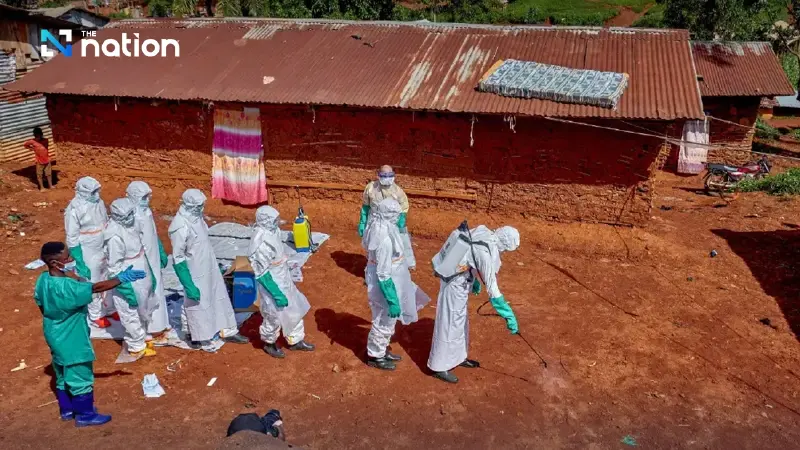


WHO reports five Ebola recoveries in the DRC, while Brazil investigates suspected cases and US airports expand screening ahead of the 2026 FIFA World Cup.
- Five patients, including four nurses, have recovered from the rare Bundibugyo Ebola strain in the Democratic Republic of Congo, providing a sign of hope in the outbreak.
- The outbreak has sparked international travel concerns, with suspected cases being monitored in Brazil and Italy among people who recently visited affected African countries.
- Ahead of the 2026 FIFA World Cup, the United States has expanded health screenings at major airports for travelers arriving from the DRC, Uganda, and South Sudan.
The World Health Organisation (WHO) has reported the first signs of hope in the latest Ebola outbreak in the Democratic Republic of Congo (DRC), with five patients recovering from the rare Bundibugyo strain, even as suspected cases outside Africa and travel concerns ahead of the 2026 FIFA World Cup draw closer scrutiny.
WHO announced on Sunday (May 31) that four nurses who had been treated for Ebola disease caused by the Bundibugyo virus had been discharged from hospital in Bunia, the capital of Ituri province, after recovering.
A laboratory worker had also recovered earlier, bringing the total number of recoveries in the current outbreak to five. Health officials expect more patients to recover, particularly when infections are detected early and patients are able to access proper care.

DRC confirms more cases as response intensifies
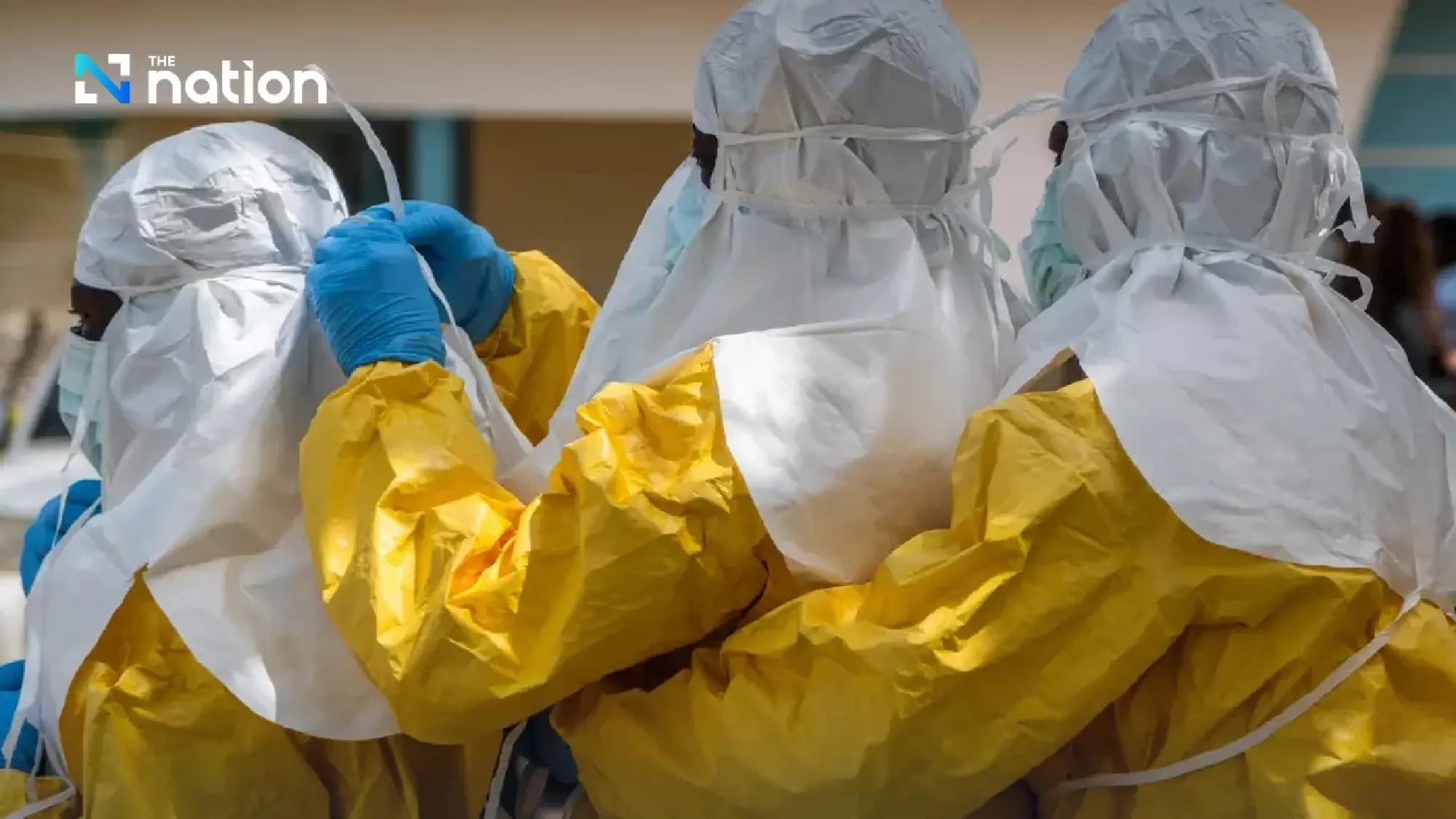
The DRC’s Ministry of Communication and Media reported that the number of confirmed Ebola infections in the country had risen to 282, with 42 deaths, after 19 new positive test results were recorded.
The latest outbreak, the DRC’s 17th, has been described as the third largest since Ebola was first identified around five decades ago. It has also exposed the challenge of responding to a rare strain for which there is currently no licensed vaccine or specific approved treatment.
WHO has declared the outbreak in the DRC and Uganda a public health emergency of international concern, although it has not met the threshold for a pandemic emergency.
WHO Director-General Tedros Adhanom Ghebreyesus, who visited Bunia on Saturday (May 30), said the absence of a licensed vaccine or treatment for Bundibugyo Ebola did not mean the situation was without hope.
Patients can survive if they receive good medical care, he noted, adding that early treatment can make a major difference.
WHO has also handed over a refurbished Ebola treatment centre in Bunia to health authorities. The centre has an initial capacity of 24 beds and can be expanded to 60, while an annex with up to 42 additional beds is being prepared.
Suspected cases monitored in Brazil and Italy
The outbreak has also raised concern beyond Africa, with suspected cases being assessed in Brazil and Italy among people who had recently travelled to affected countries.
In Brazil, a man in Sao Paulo who had recently visited the DRC developed a fever and later tested positive for meningitis. Another suspected case was reported in Rio de Janeiro, involving a patient who had recently travelled to Uganda and tested positive for malaria.
Health authorities indicated that the diagnoses did not fully rule out the possibility of Ebola in either case.
In Italy, Ebola protocols were activated in Cagliari, the capital of Sardinia, after a man who had returned from Congo developed symptoms and was taken to hospital. Italy’s Health Ministry later reported that he had tested negative and said the risk in the country remained very low.

US steps up screening before World Cup 2026
The outbreak has also raised questions over preparedness in the United States, which will co-host the 2026 FIFA World Cup with Canada and Mexico from June 11 to July 19.
Robert Redfield, a former director of the US Centers for Disease Control and Prevention (CDC), told The Hill on NewsNation that he would not be surprised if several Ebola cases were detected in the United States, given the scale of international travel expected during the tournament.
He warned that the global response was lagging and said the extent of any risk would depend on how far the virus spreads beyond Congo.
US authorities have already expanded health screening for travellers from affected countries. John F Kennedy International Airport in New York has joined Washington Dulles, Hartsfield-Jackson Atlanta and George Bush Intercontinental in screening arrivals who have recently visited the DRC, Uganda or South Sudan.
Travellers showing symptoms may be assessed by CDC officials and sent for further medical evaluation.
Kenya court blocks US quarantine plan
The US had also planned to send Americans exposed to Ebola abroad to a quarantine and treatment facility under construction in Kenya.
However, a Kenyan court suspended the establishment of the facility and the arrival of foreign patients pending further legal proceedings, after concerns were raised over Kenya’s healthcare capacity and public health risks.
The proposed facility, located at Laikipia Air Base, had been expected to include 50 quarantine beds. US officials said it was intended to support Americans exposed to the virus overseas, while Kenya’s health minister later said the centre would not be limited to US nationals.
Redfield criticised the plan, arguing that Americans infected with Ebola should receive the highest-quality care available, including care already available in the United States.
One US doctor who contracted Ebola while treating patients in the DRC has already been transported to Germany for treatment, while another exposed doctor was reportedly sent to Prague in the Czech Republic for monitoring.
