
WHO urges ceasefire as DR Congo Ebola response runs short of supplies
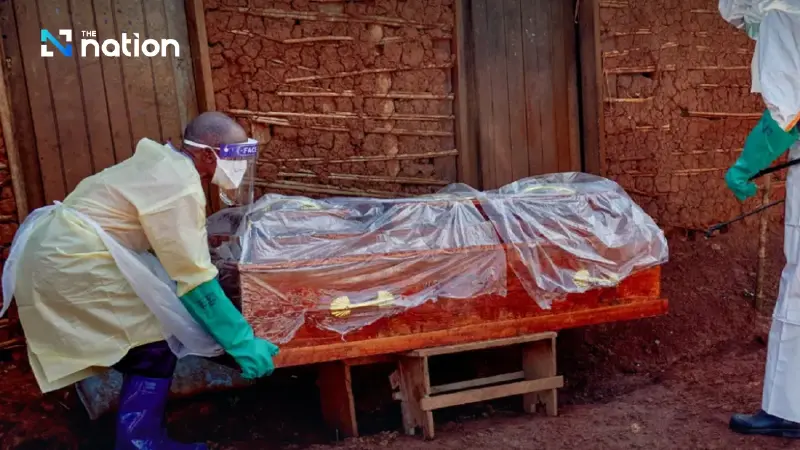


A doctor in Butembo has warned of critical shortages in DR Congo’s Ebola response, as WHO urges a ceasefire to contain the Bundibugyo outbreak.
Foreign news agencies are closely following the global public health crisis in Butembo, in North Kivu province, Democratic Republic of the Congo, as of May 28, 2026.
A doctor working in one of the highest-risk areas, where six deaths have been reported among seven confirmed Ebola cases, told Reuters on condition of anonymity that DR Congo’s outbreak control system is under severe strain because of shortages of essential protective equipment.
The field doctor said the hospital currently had only two body bags left for handling those who have died from highly infectious disease. If the number of deaths rises after this week, medical staff may no longer have safe equipment to manage Ebola-related deaths and prevent further spread into the community.
In the most recent fatal case, medical workers had to use their own money to buy an emergency body bag, the doctor said.

Aid cuts blamed as masks and gloves run out
Reports said health facilities in frontline areas were not only short of body bags, but also lacked basic disinfection supplies such as soap and chlorine, as well as personal protective equipment, including boots, protective suits, masks and medical gloves.
Medical teams said a key trigger for the shortage was foreign aid cuts by Western governments, which had previously supported both local and international non-governmental organisations.
As a result, a major source of public health support in DR Congo has been disrupted at precisely the moment the country is facing a serious outbreak.
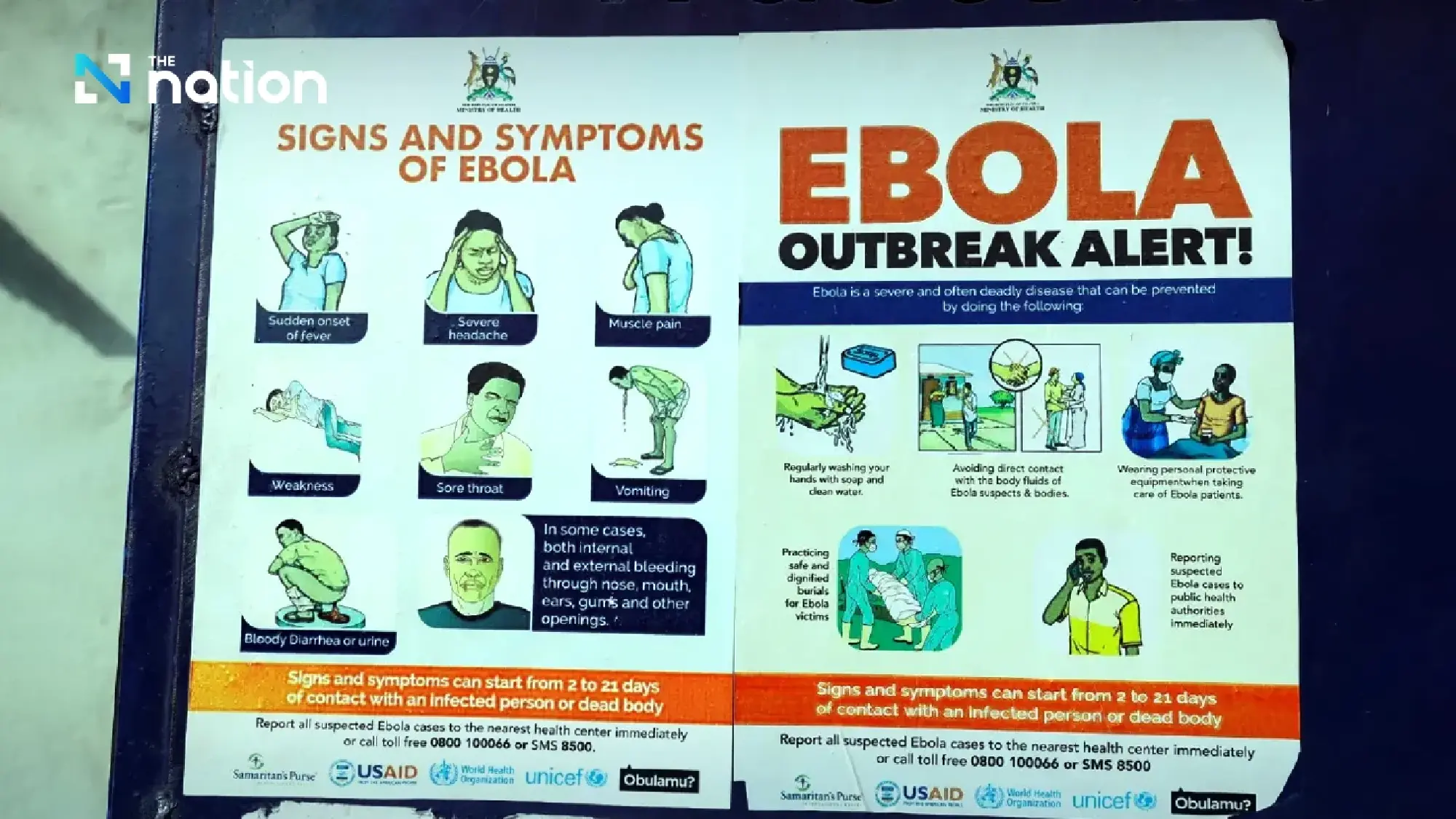

WHO urges emergency ceasefire after conflict fuels spread
Dr Tedros Adhanom Ghebreyesus, director-general of the World Health Organization, has called for an urgent ceasefire in eastern DR Congo after the WHO declared the Ebola outbreak caused by the Bundibugyo strain a public health emergency of international concern.
Tedros said the region was facing a dangerous convergence of disease and conflict, warning that health workers could not build community trust or isolate patients while fighting continued. He urged all warring parties, including government forces and the M23 rebel group, to agree to an immediate ceasefire so medical teams could reach people in need.
The civil conflict has forced millions of civilians in DR Congo to flee into overcrowded displacement camps, creating conditions that allow the virus to spread more quickly.
Suspected cases have risen to nearly 900, while Save the Children said children account for around a quarter of confirmed deaths.
Aid agencies said around US$500 million had been pledged by international donors to support the outbreak response, but not all of the funding had reached frontline operations.
For medical workers battling the outbreak with only limited supplies left, the delay is deepening fears that the crisis could become even harder to control.
Source: Reuters
