
Ebola alarm – WHO says response lags as suspected deaths hit 220
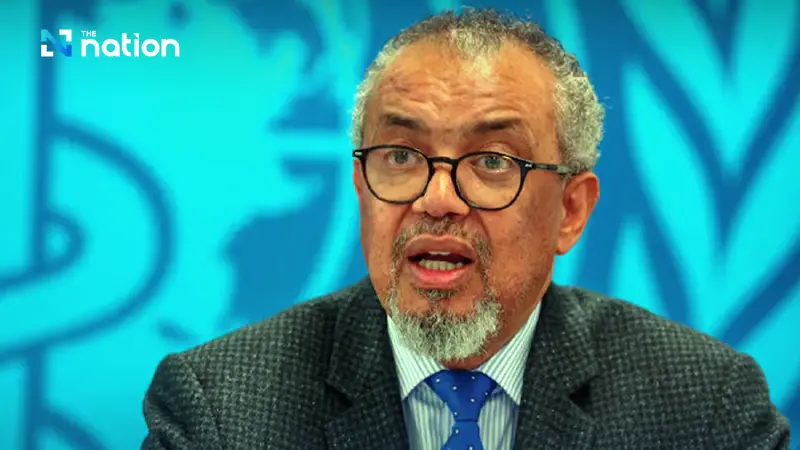


WHO chief Tedros says the Ebola outbreak in DR Congo and Uganda is outpacing responders, with 220 suspected deaths reported
- The World Health Organization (WHO) has warned that an Ebola outbreak in the Democratic Republic of the Congo and Uganda is spreading faster than response teams can contain it.
- Health authorities are "playing catch-up" due to delays in case detection, with the WHO Director-General stating the epidemic will likely worsen before it improves.
- Containment efforts are complicated by the lack of an approved vaccine for this specific Bundibugyo strain and by regional insecurity that obstructs surveillance and healthcare access.
- The outbreak has been declared a public health emergency of international concern, with suspected deaths rising to 220 and a high risk of cross-border spread to neighboring countries.
The World Health Organization has warned that a fast-moving Ebola outbreak in the Democratic Republic of the Congo and Uganda is spreading faster than response teams can contain it, with suspected deaths rising to 220.
WHO Director-General Tedros Adhanom Ghebreyesus told an online African Union meeting on Monday that delays in detecting cases had left health authorities “playing catch-up”, warning that the epidemic was likely to worsen before it improves.
WHO chief heads to Congo as cases rise
Tedros said he was due to travel to Congo on Tuesday with Chikwe Ihekweazu, the WHO’s senior official responsible for health emergencies, as international concern grows over the outbreak’s speed and complexity.
Congo remains the centre of the outbreak, while neighbouring Uganda reported two additional Ebola cases on Monday, bringing its confirmed total to seven.
The WHO has declared the outbreak, caused by the rare Bundibugyo strain of Ebola, a public health emergency of international concern.
As of May 16, the agency said Congo had reported eight laboratory-confirmed cases, 246 suspected cases and 80 suspected deaths in Ituri province, including Bunia, Rwampara and Mongbwalu health zones.

No approved vaccine for Bundibugyo strain
Containing the outbreak is particularly difficult because there are no approved vaccines for the Bundibugyo virus, unlike some previous Ebola outbreaks involving other strains.
The response is also being complicated by insecurity in eastern Congo, especially in Ituri and North Kivu provinces, where conflict and instability can obstruct surveillance, contact tracing and access to healthcare.
Tedros said countries bordering Congo were at high risk and should take immediate action to prepare their health systems, strengthen surveillance and prevent wider cross-border spread.
Thailand tightens Ebola surveillance
The warning comes as Thailand has already stepped up Ebola-related surveillance. Health authorities have been monitoring travellers from the Democratic Republic of the Congo and Uganda after the WHO’s emergency declaration, with arrivals from affected areas subject to a 21-day screening and monitoring process.
Thailand’s Department of Disease Control has said no suspected or confirmed Ebola cases have been detected in the country, but officials have placed international airports and border checkpoints on alert.
The Ministry of Public Health has also designated the DRC and Uganda as dangerous communicable disease zones under Thai disease-control measures.
In a separate precaution, the Royal Thai Army has ordered urgent preparations to support Thai personnel stationed in South Sudan after the Africa Centres for Disease Control and Prevention widened Ebola risk areas to include the country, where a Thai military engineering unit is deployed.
Regional risk grows as outbreak spreads
The latest warning underlines growing concern that the outbreak could spread further if detection, isolation and contact tracing fail to keep pace.

Earlier WHO assessments said the true scale of the outbreak remained uncertain because of rising suspected cases, clusters of deaths and high positivity among early samples.
For Thailand, the immediate concern remains imported infection rather than domestic transmission.
Public health officials have urged travellers to affected countries to monitor the situation closely, avoid unnecessary travel where possible, and seek medical attention immediately if they develop symptoms after returning, while informing doctors of their travel history.
