
Go cosmopolitan, says Unilever
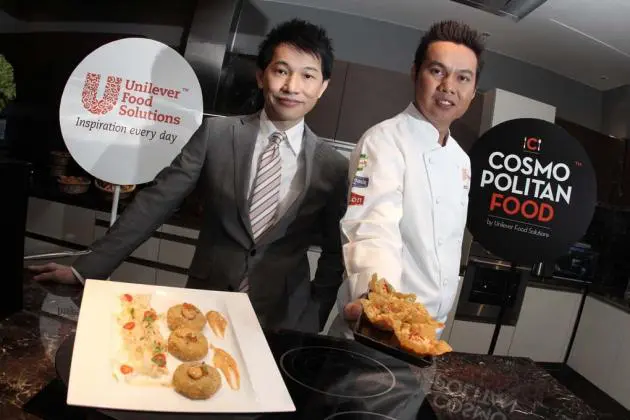


Thailand's food-service industry needs to create cosmopolitan foods ahead of the Asean Economic Community (AEC) in 2015, to reap the benefits of an increased inflow of people from other regional markets and the growing cultivation of a dining-out culture
The Kingdom has an edge over other nations in Asean as the country is a regional travel and tourism hub, especially Bangkok, which attracts an increasing number of visitors from elsewhere in Southeast Asia, said Prasith Preechachalieo, managing director for Unilever Food Solutions, Thailand, Indo-china and Vietnam.
This will help the local service and food sectors to grow, while providing first-rate Thai chefs and others working in the food-service industry with more alternatives to work in other Asean markets, he said.
“Thailand has great potential to become a regional hub for the food-service industry thanks to the size of the country’s gross domestic product, which is just behind Indonesia’s. We have strong economic potential and are a logistics centre. Thai food has become a cuisine of the world,” he added.
Such factors have encouraged more people to visit Thailand and the cultivation of an dining culture in the country. Thai consumers will have an increasingly wider choice of foods, and the demand for dining out will rise significantly and become more sophisticated, Prasith said.
“Thailand is an open society to any new culture. Local food-service operators need to adjust themselves by creating cosmopolitan foods that serve a diversified range of people,” he said.
Unilever Food Solutions yesterday announced an investment of Bt100 million over the next three years to drive the new cosmopolitan food trend, which it described as “the integration of borderless culinary cultures that draw upon the inspirations of creative chefs, selection of the finest ingredients, a variety of cooking techniques, and stylish presentations that combine to meet urban diners’ lifestyles”.
Educational activities will be implemented to complement the other ways that Thailand’s food-service industry can prepare for the AEC’s implementation, including improving food products and services, developing people’s skills, and tighter cost management to offer the highest levels of value and satisfaction to local and international diners and tourists, the company said.
Consumer insight studies, conducted by TNS Research International into out-of-home consumption for people aged 22 to 40 in Bangkok and other major tourist cities, showed that most respondents preferred dining out about seven to eight times a week because of time restrictions and limited kitchen space. Market research also showed growth of more than 3 per cent in the more than Bt200-billion Thai food-service market last year, with 64-per-cent growth from individual restaurants, 14 per cent from hotels, and 15 per cent from chain restaurants.
