
NCPO urged to unveil all infrastructure investment plans


Play
The private sector has suggested that the National Council for Peace and Order (NCPO) unveil all its infrastructure development plans as well as the national strategy on investment and source of funding in order to encourage foreign direct investment into
The Transport Ministry, meanwhile, will submit within two months to the NCPO its investment plans from now until 2020.
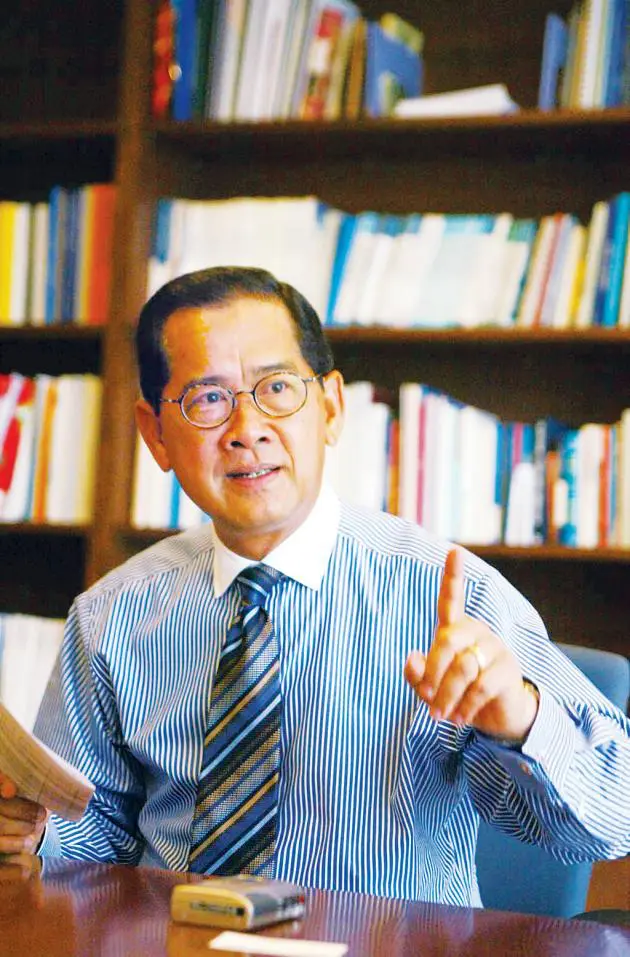
Speaking at a seminar of the State Enterprise Policy Office (SEPO) and Institute of Research and Development for Public Enterprises (IRDP), Narongchai Akrasanee, a member of the Bank of Thailand’s Monetary Policy Committee, urged economic restructuring through lesser workers and upgrade in manufacturing.
The important thing is to push for actual implementation of the Bt2.4-trillion infrastructure investment projects.
“Some of the investments could be made by the government itself and some could be opened for the private sector,” Narongchai said, adding this could lessen state burden and public debt.
The country’s foreign policy should also be revised, as previously Thailand was too dependent on the West, he said, suggesting investments in neighbouring countries, including growing economies in South and East Asia. Infrastructure in trade and investment should be adjusted to facilitate trade, he said.
Transport permanent secretary Soithip Trisuddhi vowed support for infrastructure development, ending a long period without investment. This has led to Thailand’s infrastructure and competitiveness suffering in comparison with those of some neighbouring countries.
The Transport Ministry will finalise all investment plans from now until 2020, in regard to logistics costs and Asean connectivity, and forward for the NCPO’s consideration within two months.
The study on private sector participation would be completed in one month and will be proposed to the transport minister.
Yajai Pattanasukwasan, SEPO legal director, said an earlier study would be considered on the issue of private investment, and based on it the private sector could invest about Bt80 billion. If any project is ready for private participation, that could be made even now with no need to wait for all laws, under the Act on Private Participation in State Undertakings. Paiboon Nalinthrangkurn, chief executive officer at Tisco Securities and an NCPO adviser, said that all infrastructure projects in energy, transport, telecommunications and social sectors will be proposed to be combined. He said total investment should be announced with planned sources of funding.
Thailand’s foreign direct investment declined from 5 per cent of gross domestic product to 3 per cent in 2013.
“Everybody’s looking at infrastructure investment. If Thailand does not accelerate its investment, it will lag behind the trend,” PricewaterhouseCoopers said.
Priorities should also be set for infrastructure investment and every project should be specified as funded by the state or the private sector. Infrastructure funds is another way to lessen the state burden.
