
Ch3 needs to explain Sorrayuth move
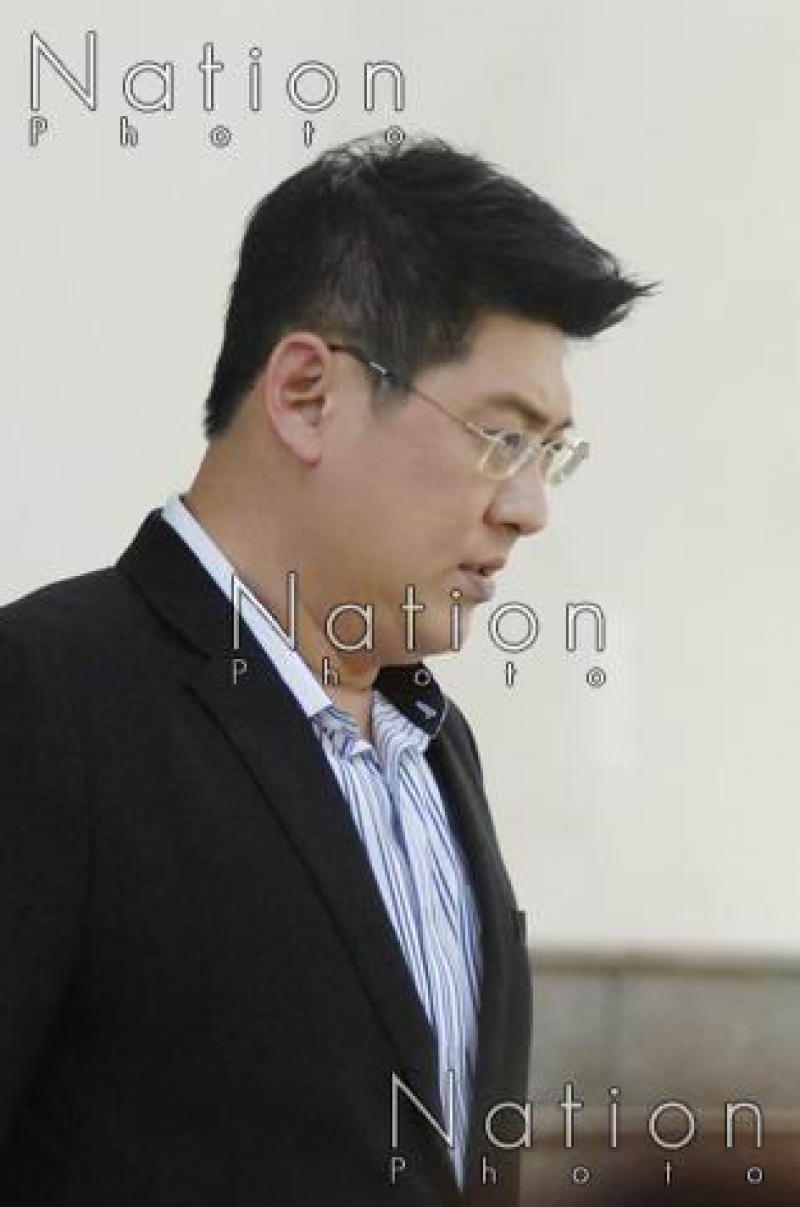


ALTHOUGH popular TV host Sorrayuth Suthassanachinda has resigned, a National Broadcasting and Telecommunications Commission sub-panel overseeing television programming and scheduling will summon Channel 3’s management on Monday to explain why they allowed
A source at the NBTC said Lt-General Peerapong Manakit, chairman of the subcommittee, planned to meet with executives of Bangkok Entertainment Company, which operates Channel 3 under a broadcasting concession contract with MCOT, to clarify decision to let Sorrayuth continue hosting programmes.
As well, Supinya Klangnarong, chairwoman of the NBTC’s subcommittee on consumer rights protection, will invite representatives from all 26 digital terrestrial TV stations to discuss the regulations they must work under. The highlighted issue will be media ethics and responsibility, with the spotlight on the case of Rai Som case involving Sorrayuth.
An expert on the TV broadcasting industry, speaking on condition of anonymity, suggested that companies were now hesitant to advertise on Sorrayuth’s former programmes after Channel 3 decided to replace him with Krittika “Kook” Korphaibool on the morning news variety show “Rueng Lao Chao Nee” yesterday.
“We have to wait at least two weeks to see any substantial impact from the recent decision made by Channel 3 management and whether this could help minimise business loss,” the expert said.
However, the expert believed that morning news shows on digital TV stations such as Channel 8, Workpoint TV and Mono29 could benefit if companies decided to reallocate their advertising budgets to those programmes because they are still concerned about how they would look if they continued to support Channel 3’s morning programme.
Under another scenario, those advertisers might look at top-rated digital TV news stations such as New TV, Nation TV and Springnews TV instead.
The source also suggested that Channel 7, which is a direct rival of Channel 3, was unlikely to be a winner in this regard as its morning news show already gets higher ratings than “Rueng Lao Chao Nee”. Channel 7’s morning news advertising slots are also fully booked.
Professor Dr Surapongse Sothanasathien, a lecturer at Thammasat University’s Faculty of Journalism and Mass Communication, said there had been many stories about legal and ethical violations by mass and alternative media. Many of them became major causes of dissent and anarchy in Thai society, which led to the coup in May 2014.
He said the Sorrayuth case was similar to other cases where media have taken advantage of the lack of knowledge among the public about how the media operate, in order to pursue unethical activities that have damaged society.
He said Channel 3 was a prime example of a big media organisation being more concerned about making money than with conducting ethical journalism.
“It is a legitimate and urgent time for the Prayut government to be seriously concerned about media reform with a focus on ethical journalism. This is because media institutions and industry have been gradually deteriorating since 2004,” Surapongse said.
Another communication specialist said reporters, editors and others in the journalistic profession held a very special position of high responsibility in society.
They are up there with judges, teachers and doctors because we trust them to guide us towards doing what is right without personal prejudice or the distraction of personal interest.
Politicians, who are at the top of this pyramid of people who should be shaping our lives without the interference of personal interest, have long lost this respect.
That is why how society responds to a case like this as very important, because it tells others in positions of high responsibility what is and what is not acceptable to society.
“From my observation, a large number of people who hold such positions of high responsibility show high ethical responsibility because they know it’s simply the right thing to do. But many more do so because they fear the consequences to their lives, their reputations, and their ability to earn a livelihood if they fail to show high ethical responsibility,” he said.
If the public wants editors, reporters and news commentators to show high ethical standards in all that they do – not least as a way to keep wayward politicians in check – then the public must actively demonstrate when people do show poor ethical judgement that they are going to be deprived of their reputation and livelihood. If the public takes no action, then they will give the reporters, editors, and commentators that they deserve. Don’t expect big corporates to take the lead.
A source from a property firm that bought advertising on Sorrayuth’s programme said good corporate governance was very important, the court ruling about the corruption case would be a crucial factor for the company as it considers whether to advertise on the channel again.
