
Cabinet Approves EV Policy Shift to Halt Price Wars and Prevent Oversupply


Adjustments to EV3 and EV3.5 measures boost production flexibility, incentivise local battery component use, and reinforce Thailand’s global EV manufacturing ambitions
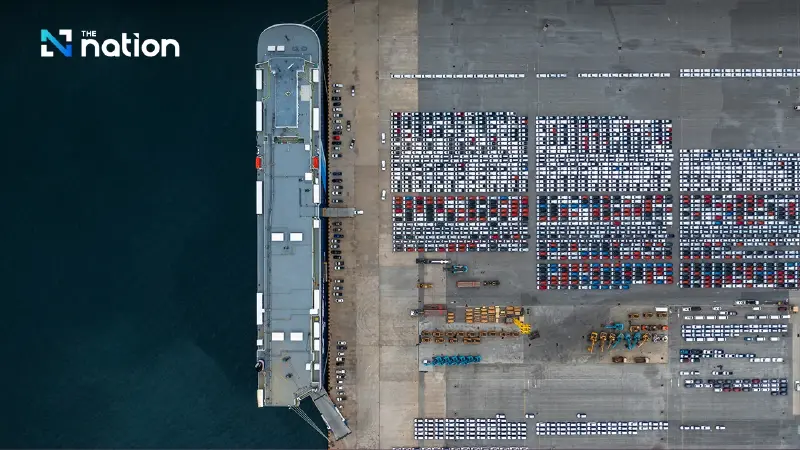
- To combat domestic oversupply, the policy now incentivizes manufacturers to export by counting each exported EV as 1.5 times its value towards compensatory production requirements.
- Stricter controls over subsidies have been introduced, allowing for the temporary suspension of payments if producers fail to meet conditions, aiming to regulate production and prevent market flooding.
- Sales and registration deadlines under the EV3 and EV3.5 measures have been extended, giving companies more time to manage inventory and potentially ease intense price competition.
- The policy provides manufacturers with greater flexibility, allowing production under the EV3 scheme to count towards EV3.5 requirements to help stabilize the domestic manufacturing base.
Adjustments to EV3 and EV3.5 measures boost production flexibility, incentivise local battery component use, and reinforce Thailand’s global EV manufacturing ambitions.
The Cabinet today approved key adjustments to Thailand’s electric vehicle (EV) incentive schemes, known as EV3 and EV3.5, following a resolution from the National Electric Vehicle Policy Committee on 25th November 2025.
Deputy government spokesperson Lalida Periswiwatana announced the decision, stating the changes are designed to enhance flexibility, align the policy with global market competition, and crucially, mitigate risks associated with domestic oversupply and price wars.
The overall aim remains the systematic and sustainable push towards making Thailand a significant global production base for EVs and components, targeting Zero Emission Vehicles (ZEV) by 2030.

The Cabinet’s resolution focused on five major areas:
1. Registration Timeline Extension:
EV3 Measure: The deadline for sales is extended to 31st December 2025, with registration permitted until 31st January 2026.
EV3.5 Measure: The deadline for sales is extended to 31st December 2027, with registration permitted until 31st January 2028.
2. Export Compensation Adjustment: To boost manufacturing commitment, the production of EVs for export will now count as 1.5 times the value towards the compensatory production requirement. The export deadline is also extended to 30th June of the following year.

3. Subsidy Control: Strict criteria have been imposed to closely monitor compensatory production plans. Subsidy payments will be temporarily suspended if producers fail to meet conditions, ensuring budgetary prudence.
4. Production Flexibility: Companies granted rights under EV3 can now expand their compensatory production to fulfil requirements under the EV3.5 measure, helping to stabilise the domestic manufacturing base.
5. Local Component Use: To accelerate the use of domestic parts, the permitted proportion of foreign battery cell value is adjusted down to no more than 10% of the car price. The calculation period for this value is extended until 30th June 2026.
The committee confirmed its strategy relies on economic measures running parallel with steps to maintain stability within the domestic market.
