
DKSH Modernises Distribution Operations with Major Technology Upgrade
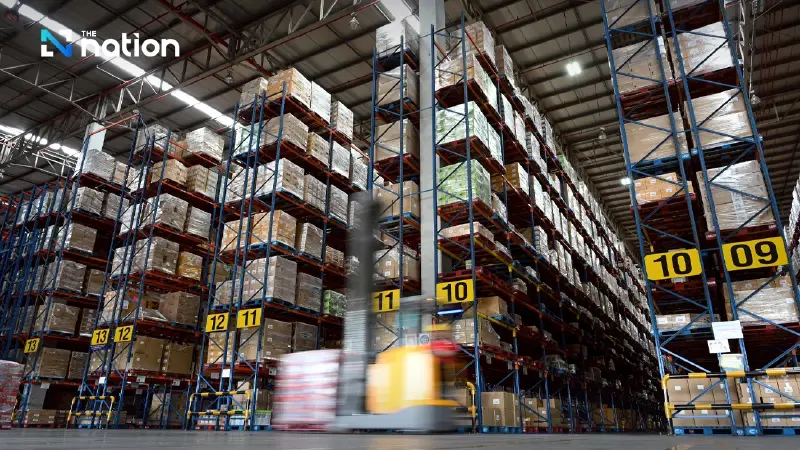


Swiss distributor's 19-year-old Thai facility demonstrates how legacy infrastructure can be transformed for modern supply chain demands
- DKSH has modernized its 65,000-square-metre distribution center in Thailand by integrating advanced technologies such as drone-assisted inventory management, RFID tags, and real-time KPI dashboards.
- The technology upgrade has increased the facility's capacity to handle 66,000 pallets and process over two million cases monthly, enhancing supply chain visibility and efficiency.
- As part of the modernization, the facility has implemented sustainability measures, including solar panels and electric vehicles, which have reduced both operational costs and carbon emissions.
- The project demonstrates a strategy of retrofitting an existing legacy facility, which has been operational since 2006, to meet the demands of the modern consumer goods market.
DKSH has transformed its exist Consumer Goods Distribution Centre in Thailand into a state-of-the-art facility, demonstrating how established supply chain operators are modernising legacy infrastructure to compete in today's fast-moving consumer goods market.
The Swiss market expansion services provider has invested heavily in upgrading the 65,000-square-metre facility at Bang Na-Trad, which has operated since 2006.
The transformation showcases how companies with established distribution networks are retrofitting older facilities rather than building entirely new ones.
As a publicly listed company on the Swiss Stock Exchange, DKSH emphasises compliance and integrity standards across its operations.
The company operates four distinct business units in Thailand: consumer goods, healthcare, performance materials (chemicals and ingredients), and technology services.
The upgrade has enabled the centre to handle over 5,000 stock keeping units (SKUs) with storage capacity for 66,000 pallets, supported by a fleet exceeding 370 vehicles.
The facility now processes more than two million distribution cases monthly whilst serving over 100 distribution points nationwide.

Technology Integration Drives Efficiency Gains
DKSH's modernisation strategy centres on integrating advanced technologies into existing operations. The company has deployed real-time key performance indicator dashboards, radio-frequency identification tags, barcode scanning systems, and drone-assisted inventory management across the facility.
These systems provide enhanced supply chain visibility and enable precise tracking of goods throughout the distribution network.

The drone technology, in particular, has accelerated stock verification processes in high-volume storage areas, reducing manual labour requirements whilst improving accuracy.
"The CGDC represents a strategic investment in Thailand's supply chain infrastructure," said Narin Ratchaneekornkrilas, Senior Director of Supply Chain Management for FMCG at DKSH Thailand. "By integrating advanced operations and robust distribution capabilities, we enhance reliability, scalability, and responsiveness for our FMCG partners."
The facility operates 24 hours daily, six days weekly, managing both ambient and temperature-controlled products.
This includes cold storage capabilities for confectionery, chocolate, and consumer health products to maintain freshness and extend shelf life.

Sustainability Measures Cut Operational Costs
The facility's sustainability initiatives have delivered measurable cost reductions alongside environmental benefits. Solar panel installations generate annual savings of 750,000 kilowatt-hours, equivalent to reducing approximately 375 tonnes of carbon dioxide emissions.
DKSH has also introduced electric vehicle fleets, which reduced CO₂ emissions by over 1.3 tonnes in the first six months of 2025. Additional measures include LED lighting systems, waste separation programmes, and water reuse initiatives.

These efforts contributed to DKSH being recognised as a Climate Action Leader 2025 by the Agricultural and Food Marketing Association for Asia and the Pacific. The company has committed to achieving climate neutrality by 2030.

Certification Standards Support Business Growth
The facility maintains multiple international certifications, including ISO 9001 for logistics quality management, ISO 14001 for environmental management, and ISO 45001 for occupational health and safety. These certifications span several DKSH distribution centres across the Asia-Pacific region.
The centre has also earned seven consecutive years of national occupational safety awards, including a Zero Accident Award at silver level for the second consecutive year, certified for 4,526,820 safe working hours.
Neil McCann, Vice President of Supply Chain Management for Thailand and Laos, said the facility reflects DKSH's approach to sustainable market expansion.

"By embedding AI, automation, and sustainable practices into our operations, we help our partners reach markets faster, operate more efficiently, and do so responsibly."
Market Position and Financial Performance
DKSH's Consumer Goods Business Unit, which the Thai facility serves, generated net sales of CHF 3.4 billion in 2024 with 14,250 specialists globally. The parent company reported total net sales of CHF 11.1 billion across its four business units.
In Thailand, DKSH's consumer goods division employs 6,500 people, including 2,000 sales staff selling clients' products across the country. The operation serves nearly 130 clients and covers 140,000 outlets nationwide, representing what the company describes as "industry-leading coverage" in the Thai market.

The company has operated in Thailand for nearly 120 years and maintains distribution networks across 36 markets in Asia and beyond. Thailand represents DKSH's largest global operation, underlining the strategic importance of facilities like the Bang Na-Trad centre.
"Thailand is the most important part of the entire business," said McCann during a recent media tour of the facility. "We are absolutely committed to Thailand. We're committed to the country."
The company provides what it terms "capillary distribution" services, combining multiple clients to enable them to sell and physically distribute products across Thailand's diverse retail landscape. This includes everything from modern supermarkets and hypermarkets to traditional stores, giving brands access to consumers nationwide.
The transformation of the Bang Na-Trad facility illustrates how established logistics operators are adapting legacy infrastructure to meet evolving supply chain demands, rather than constructing entirely new facilities.

This approach allows companies to leverage existing strategic locations whilst incorporating modern technologies and sustainable practices.
DKSH operates as part of a broader network that includes cross-docks and regional warehouses designed specifically for comprehensive Thai market coverage. The company's scale allows it to support what McCann describes as "700 companies on their journey in Asia" by providing market expertise and distribution capabilities.
