
Thailand's Plant-Based Market Reaches THB45 Billion, Aims to Be Global Kitchen
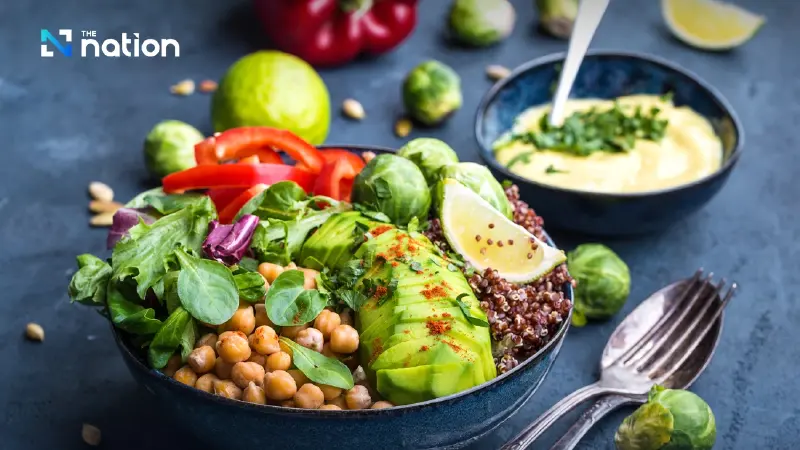


The Department of Trade Negotiations reveals a 10-year roadmap to transform Thailand into a major hub for plant-based food, with the market expected to grow 19% this year.
- Thailand's plant-based food market has reached a value of 45 billion baht and is projected to grow by another 10% this year.
- The country has a 10-year strategic vision to become a "global kitchen" by establishing itself as a global hub for health food ingredients and innovation.
- Market growth is driven by consumer trends toward health, ethics, and sustainability, attracting a large "flexitarian" demographic in addition to vegans and vegetarians.
Thailand's plant-based food market has reached an impressive 45 billion baht and is projected to grow by another 10% to 49.5 billion baht this year, according to Poonpong Naiyanapakorn, director of the Office of Trade Policy and Strategy (OTP).
The growth is driven by increasing consumer awareness of health, animal ethics, and environmental sustainability.
The positive trend in Thailand mirrors global market forecasts.
According to market data provider Future Market Insights (FMI), the worldwide plant-based food market is estimated to reach $14.23 billion in 2025 and soar to $44.18 billion by 2035, with a compound annual growth rate (CAGR) of 12%.
Plant-based foods can be divided into five main categories: alternative meat, alternative milk, alternative eggs, snacks, and beverages.
All are gaining momentum from three key factors:
Health: Consumers are becoming more aware of chronic diseases linked to meat consumption, making plant-based products a popular alternative.
Ethics: Growing concern for animal welfare is leading many to reduce their consumption of animal products.
Sustainability: Plant-based food production requires fewer resources and has a smaller environmental impact than livestock farming, appealing to consumers concerned about climate change.
The market's growth is not just driven by vegetarians or vegans, but also by a larger group of "flexitarians"—consumers who are simply looking to reduce their meat intake.
This group represents a massive global target audience that is fuelling the market's rapid expansion.

A 10-Year Vision for Thailand
A 2024 foresight report by the OTP outlines a future for Thailand's plant-based food industry.
The primary scenario envisions Thailand as a "global hub for health food ingredients," building on its strength in production, export, and innovation.
The report also suggests three alternative scenarios: developing Thailand as a centre for agricultural and cultural tourism that incorporates healthy food; becoming a global leader in the health food business; and leveraging Thai agricultural products to create high-quality, plant-based foods for international markets.
To achieve this vision, the OTP has created a 10-year roadmap (2024-2033) focusing on six key policy areas: production and processing; marketing and tourism; research, technology, and innovation; a centralised database; investment; and modernising legal standards to align with international norms.
This roadmap will serve as a guide for relevant agencies to work together to drive sustainable, long-term growth for the industry.

Poonpong noted that the main challenge for the plant-based food industry is understanding rapidly changing consumer trends.
To succeed, businesses must focus on research and innovation to create products with authentic taste and texture that appeal to consumers.
He also suggested creating distinctive products, such as plant-based versions of traditional Thai dishes, while effectively managing costs and expanding distribution channels to reach a wider audience.
