
Thai Chamber of Commerce highlights opportunity in FTA negotiations amid Trump tariffs
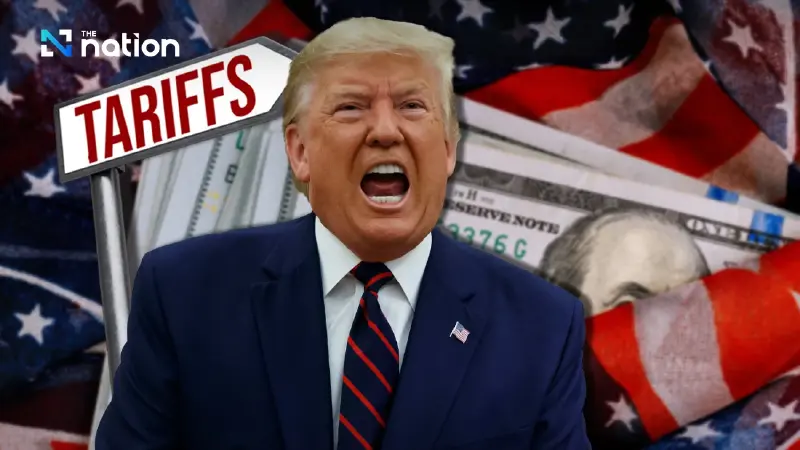


The Thai Chamber of Commerce urges swift action to open new markets, mitigate the impact of Trump tariffs, and support SMEs in global competition.
Wisit Limleucha, Vice President of the Thai Chamber of Commerce, speaking at the Sustainability Expo 2025 (SX 2025) seminar titled “A Call for Adaptation: The Sustainability in Trade & Industry,” highlighted the challenges facing Thailand’s economy amid geopolitical conflicts and the global trade war. He stressed that Trump tariffs are having an impact on Thailand’s exports, particularly to the US, where competition is intensifying. To combat this, he urged the government to open new markets.

Wisit stated that although Trump tariffs have affected countries worldwide, they also serve as an impetus for nations to expedite Free Trade Agreement (FTA) negotiations. Notably, Thailand is negotiating an FTA with the European Union (EU), and these talks have progressed faster than expected, especially regarding sustainability. “This is a good opportunity to negotiate FTAs with many countries to strengthen trade cooperation and reduce the impact of Trump’s tariffs,” said Wisit.

Wisit also pointed out that alongside the tariffs, the Thai baht has been appreciating, which is a weakness for Thai exports. Since 60% of Thailand’s economy relies on exports, it’s essential for the country to compete on price as more competitors enter the market. He emphasised that Thai products need to increase their value, innovate, and adapt to changing consumer demands, such as with health-focused products and solutions for an ageing population, like health food and future foods.
Wisit noted that storytelling around Thai products is a crucial area of improvement, particularly when compared to countries like Japan, which has successfully branded its products globally.
He also highlighted the importance of opening new markets to mitigate the risks posed by relying on traditional ones. The focus should be on finding markets that align with the products SMEs produce, ensuring they meet international standards. He also emphasised the role of Digital Transformation in reducing costs and business processing time, which will benefit both large and small exporters. This approach, he said, would also help prevent fraud and ensure transparency in business operations.
