
Vietnam's strict controls and long airport queues deter tech investors
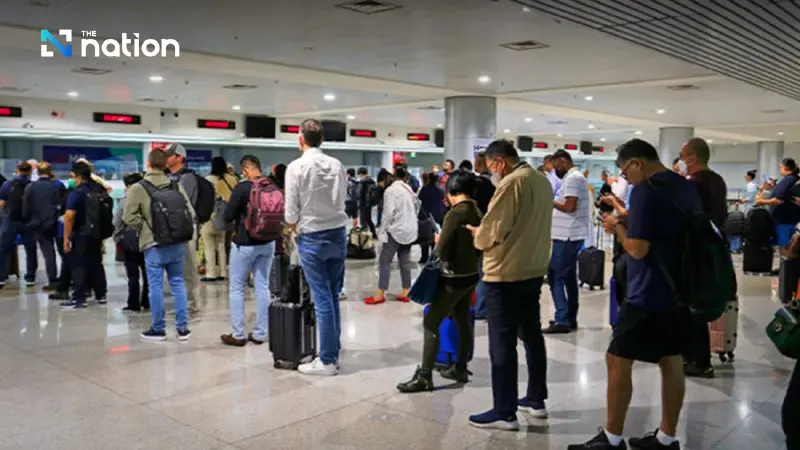


Despite being one of ASEAN's fastest-growing economies, Vietnam’s startup ecosystem faces hurdles, from long immigration queues to capital transfer restrictions and outdated regulations.
Nikkei Asia reports that Vietnam is experiencing a slowdown in startup investments, with many investors and entrepreneurs citing "cross-border barriers" as a significant issue.
For instance, at Vietnamese airports, travellers may have to endure passport control queues lasting up to an hour, not just upon arrival but also when leaving the country. For foreign investors visiting for business, this means that the first and last impressions they have of Vietnam are long lines.
In contrast, many ASEAN countries have implemented automatic passport control systems, and some have even installed electronic gates (e-gates) that allow passengers to pass through in mere seconds.
Although Vietnam has begun experimenting with this technology, its usage is still limited. Another issue is the absence of a "startup visa" in Vietnam, unlike in Singapore, Malaysia, and Thailand.
Furthermore, Ho Chi Minh City is constructing a second airport, Long Thanh International Airport, in the neighbouring Dong Nai province. In the future, passengers with connecting flights may have to travel between this new airport and Tan Son Nhat, the current airport, which are located about 50 kilometres apart.
Vinnie Lauria, founding partner at Golden Gate Ventures, commented that these cumbersome processes "kill the opportunity to build a regional business," and he believes this is having a significant impact on Vietnam's startup ecosystem.
Nguyen Thi Huong Giang, founder and CEO of the investment platform Tititada, also agreed, saying that navigating the airport procedures in Vietnam is frustrating and could deter foreigners from returning to do business or visit.
Additionally, Vietnam shares similarities with China in having restrictions on foreign currency usage and outbound remittances. Citizens must prove the origin of their funds before they can transfer money abroad, and such transfers are limited to approved expenses, such as tuition fees.
Investors view this as a form of "capital control," and these restrictions make it harder for Vietnamese startups to expand globally. They also complicate the issuance of "employee stock options," a common form of compensation in tech companies.
Moreover, these controls limit the ability of Vietnamese citizens to invest in foreign stock markets or list their companies abroad.
Chip design company Marvell, for example, has previously told Nikkei Asia that restrictions on importing used machinery are an obstacle for the tech industry, a concern echoed across various sectors.
Minh Ngo, head of operations at Citi Vietnam, explained that Vietnam’s capital controls are essential for macroeconomic stability, but a gradual liberalisation is necessary to establish an international financial centre (IFC), representing one of the most delicate challenges for regulators.
