
Anutin calls urgent meeting on crude imports after Hormuz closure
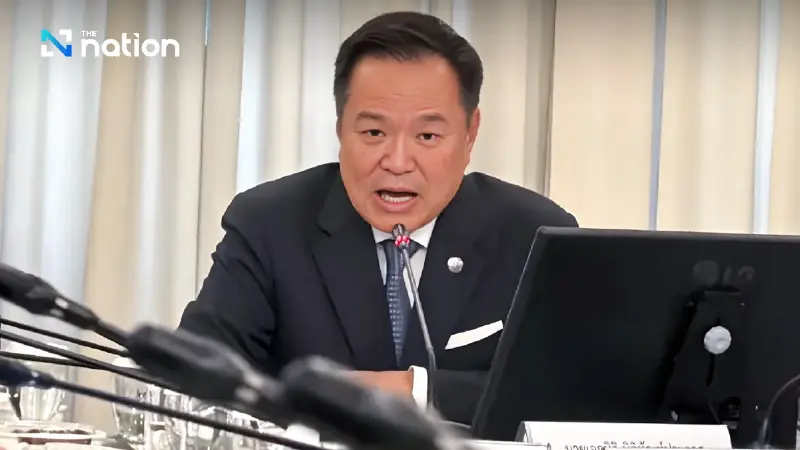


Thailand is reviewing contingency measures and alternative crude sources after the Strait of Hormuz closure, with Prime Minister Anutin Charnvirakul convening agencies for an urgent briefing on March 5, 2026.
Prime Minister Anutin Charnvirakul convened an urgent inter-agency meeting on Thursday (March 5) to assess Thailand’s domestic energy situation after the closure of the Strait of Hormuz raised concerns over crude oil imports.
Agencies brief PM as Middle East situation intensifies
Anutin said the meeting was called at short notice after the Hormuz closure began affecting Thailand’s crude import outlook. He said he had received briefings from Deputy Prime Minister and Transport Minister Phiphat Ratchakitprakarn and Deputy Prime Minister and Finance Minister Ekniti Nitithanprapas following a meeting the previous day, which indicated March was unlikely to be heavily affected at this stage—though figures suggested supply would begin to decline as the situation has rapidly escalated.
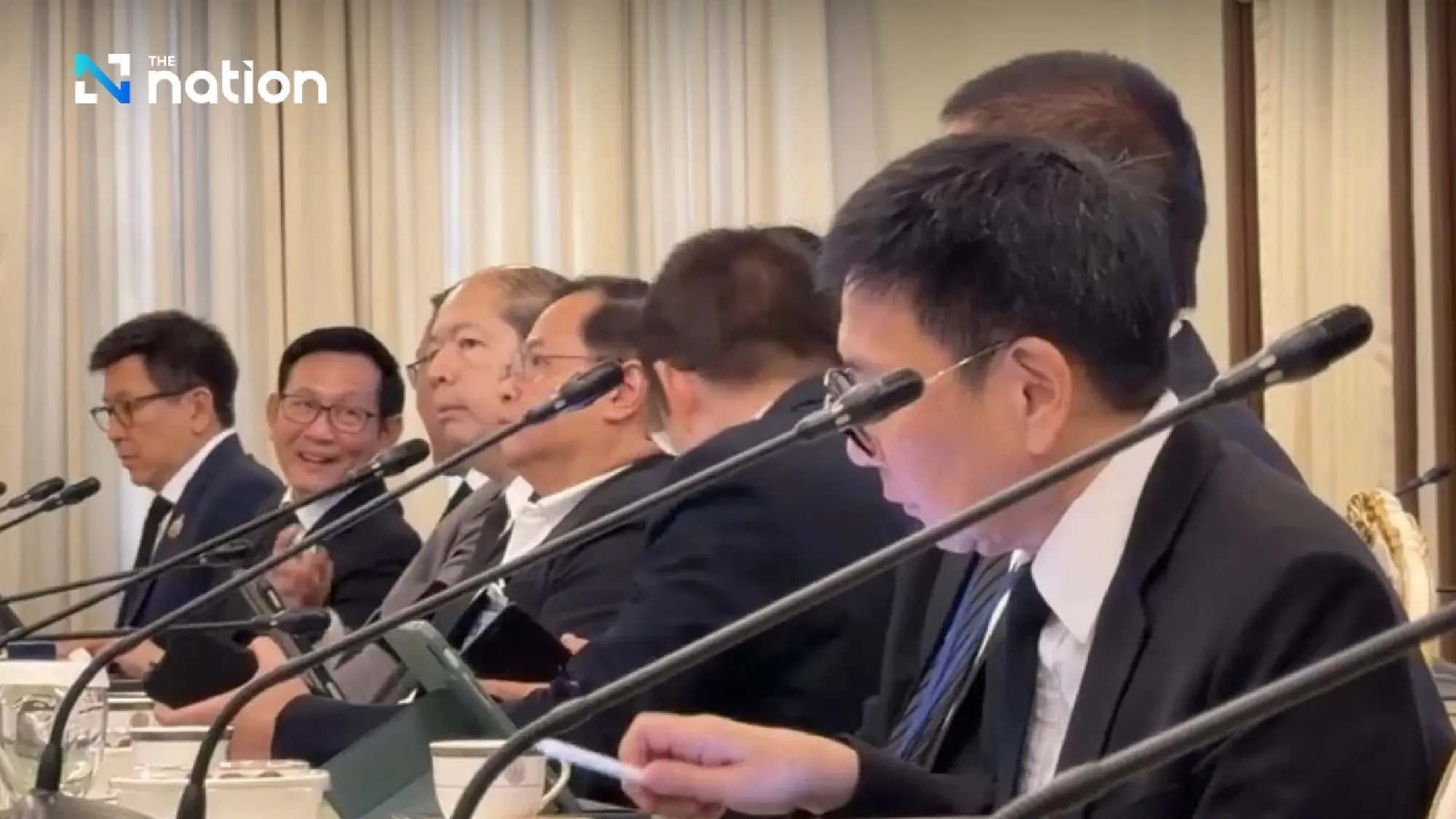

Thailand to map alternative crude sources beyond the Middle East
The prime minister said developments over Saturday, Sunday and Monday shifted quickly, making it necessary to set measures that would ensure confidence Thailand’s crude imports would not be disrupted. He noted Thailand currently imports crude roughly half from the Middle East and half from other sources, and asked officials to clearly identify where the remaining half is sourced.
Foreign Ministry to coordinate additional supply from other regions
Anutin said Energy Minister Auttapol Rerkpiboon and Phiphat have expertise in oil trading, and asked them to work together on steps to minimise the impact. He added that Foreign Minister Sihasak Phuangketkeow is ready to coordinate with other regions to secure additional crude imports.
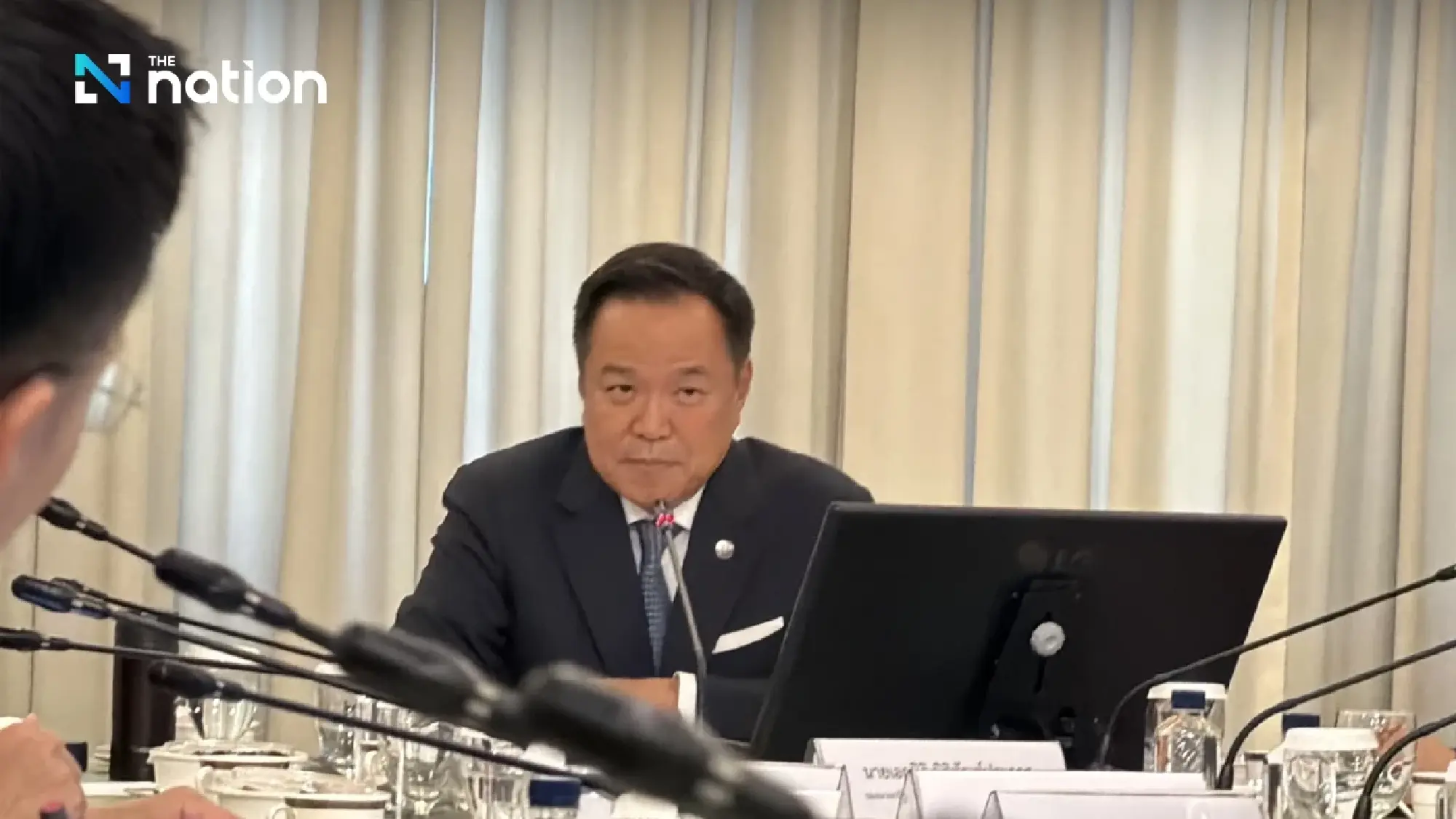

Officials attend across security, legal and planning agencies
Those attending included Phiphat; Sihasak; Ekniti; Auttapol; Deputy Transport Minister Mallika Jiraphanwanich; Danucha Pichayanan, secretary-general of the National Economic and Social Development Council; Chatchai Bangchuad, secretary-general of the National Security Council; and Pakorn Nilprapunt, secretary-general of the Council of State, along with other relevant agencies.
