
Thailand readies fuel rationing plan if energy crisis hits Level 3
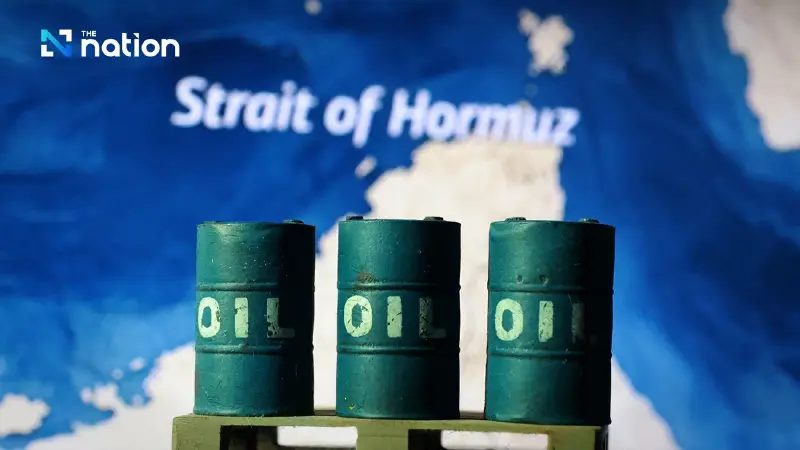


Thailand says it is already at Level 2.2 and has prepared a Level 3 plan that could include fuel rationing and tighter energy controls.
Thailand may have to impose fuel rationing if the Middle East-driven energy crisis worsens to Level 3, with officials saying contingency plans are already in place if crude can no longer be imported from the region and domestic demand outstrips refinery capacity. Authorities currently assess the situation at Level 2.2 on a three-tier scale, indicating the disruption is unlikely to ease within a month and could still worsen depending on the fighting.
The warning came at a joint briefing by the government’s Middle East conflict monitoring centre and officials from the foreign affairs, energy, oil fund and commerce agencies on measures to tackle fuel supply risks and rising living costs. Nattha Mahatthana, the centre’s spokesperson, said Thailand is now facing a fresh threat at the Bab el-Mandeb Strait in the Red Sea on top of the existing disruption around the Strait of Hormuz.
New pressure point beyond Hormuz
Nattha said the Bab el-Mandeb route has become a growing concern because it is another major artery for global shipments of oil and goods. Officials said the chokepoint carries more than 9 million barrels of oil a day, adding to the more than 20 million barrels that normally pass through Hormuz, prompting the Foreign Affairs and Energy ministries to work together to secure crude from alternative sources and support Thai vessels still operating in the area.
The Energy Ministry has divided the crisis into three levels. Level 1 means disruption is limited and shipping is merely delayed. Level 2 means Hormuz remains shut for more than a month, but crude can still be imported and refineries can adjust. Level 3 is the worst-case scenario, in which Thailand can no longer import crude from the Middle East at all and refinery output is no longer enough to meet domestic demand. Officials say Thailand is now at Level 2.2.
Thailand has already activated Level 1 and 2 measures
Authorities said Level 1 and 2 responses are already being deployed. These include sourcing oil from alternative suppliers, running all six refineries at 109% to 110% of capacity, increasing the use of biofuel blends to reduce crude imports, restricting exports and promoting work-from-home arrangements to curb fuel consumption.
The pressure on policymakers has intensified as global oil markets remain highly volatile. According to official figures, Dubai crude stood above US$120 a barrel on March 27, up 72% from before the conflict, while refined diesel rose above US$200 a barrel and briefly touched US$240.
Level 3 would trigger stricter emergency controls
If the crisis deteriorates into Level 3 and physical shortages begin to emerge, the government says it would move to strict demand management. That would include fuel rationing, with priority given to essential services such as hospitals and ambulances, alongside tighter controls on petrol station opening hours, lighting use and shopping centre operating hours to match available supply.
The briefing made clear that the government is no longer planning only for higher prices, but also for a scenario in which actual fuel availability becomes the central problem. Officials said the Level 3 plan is intended as a worst-case safeguard rather than an immediate step, but stressed that preparations must be made in advance.
B20 promoted to ease pressure on supply
As part of the response, officials are also encouraging greater use of B20 diesel in compatible vehicles. The government says B20 sold in Thailand meets quality standards, is already available at PTT and PTG stations, and is about 5 baht per litre cheaper. It has urged motorists to use it only in vehicles approved by manufacturers, with the Department of Energy Business providing model checks for drivers uncertain about compatibility.
Commerce steps up relief as Oil Fund strains
On the cost-of-living front, the Commerce Ministry said it is tightening price monitoring and will launch the Thai Helps Thai campaign nationwide on April 1, offering discounts of up to 50% on more than 1,000 products with major retailers. The move is part of a broader effort to cushion households from the shock of rising fuel and transport costs.
At the same time, the Oil Fuel Fund is coming under growing strain. Officials said the fund is currently seeing cash outflows of about 1.5 billion baht a day and is around 42 billion baht in deficit, underscoring the limits of relying on subsidies alone to shield the public from the global oil shock.
For now, officials insist Thailand remains below the worst-case threshold. But with the crisis now assessed at Level 2.2 and pressure building on both Hormuz and Bab el-Mandeb, the government’s message was clear: Thailand is preparing not only for prolonged price volatility, but also for the possibility of fuel shortages if the conflict drags on.
