
Thailand to review oil pricing formula to ease fuel burden



The government has ordered a review of Thailand’s oil pricing structure, with the proposed revisions expected to go before the Cabinet on April 6.
The government is moving to review Thailand’s oil pricing formula in a bid to ensure pump prices better reflect actual costs and do not place an unfair burden on consumers, with the proposed revisions expected to be submitted to the Cabinet for deliberation on April 6.
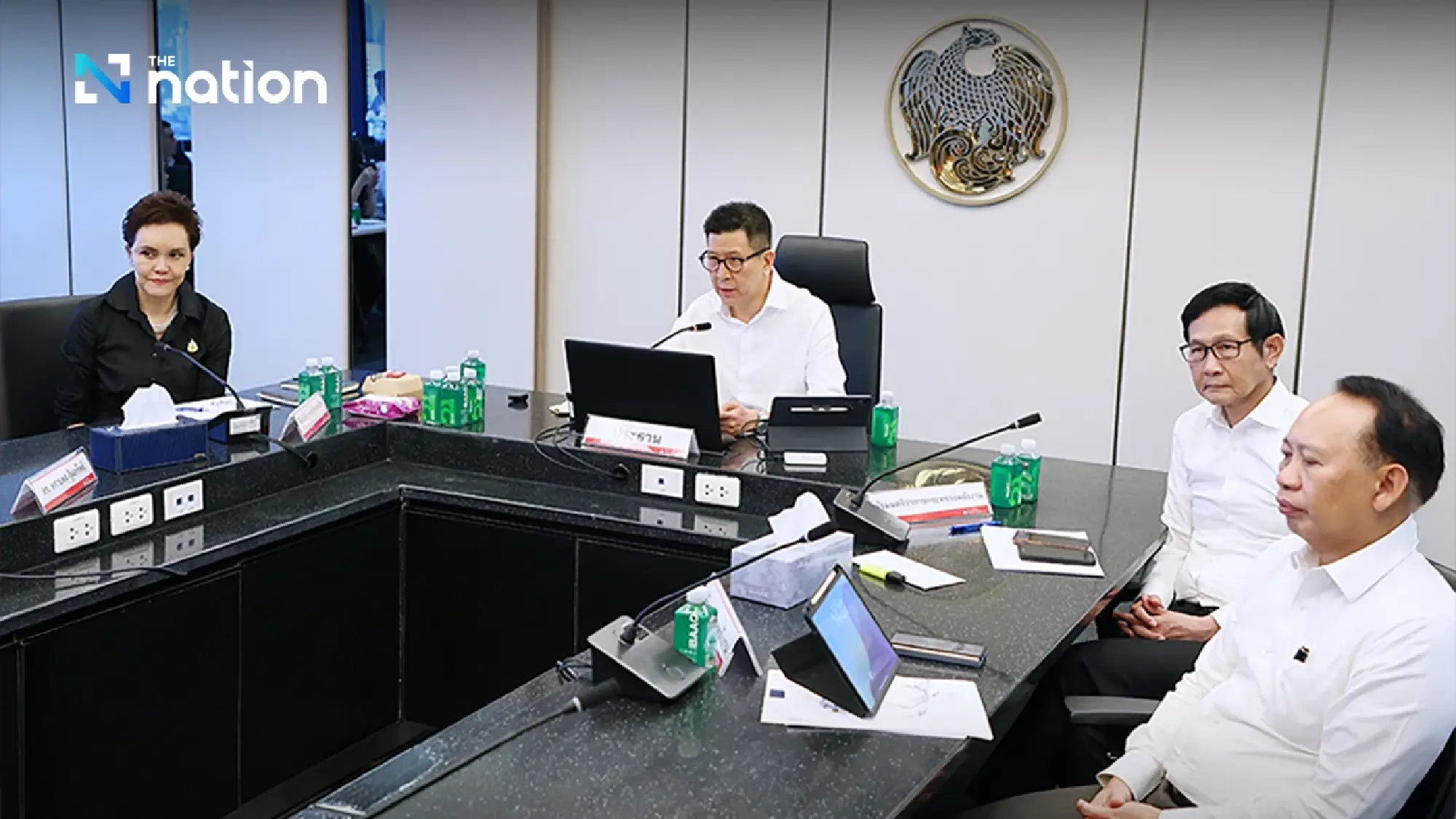
Ekniti Nitithanprapas, Deputy Prime Minister and Finance Minister, said the committee studying the appropriateness of fuel pricing costs had instructed the Energy Ministry to revise the structure used to calculate ex-refinery wholesale oil prices, including both the refinery margin and the marketing margin.
He said the move comes amid unrest in the Middle East and is aimed primarily at easing the cost of living for the public.
Energy Ministry told to revise refinery price formula
Ekniti said the committee found that the current pricing formula may be higher than actual costs, particularly in relation to freight and insurance charges included in wholesale oil price calculations.
He said that, in practice, such costs are no longer incurred in some cases, yet they are still being factored into the pricing structure. The committee therefore resolved to instruct the Energy Ministry to revise the formula by removing those expenses, a move that would immediately reduce the refinery margin.
The ministry has also been tasked with reviewing what the actual costs should be, so that both refinery and marketing margins can be calculated more appropriately and consumers are not made to shoulder excessive charges.

War premium and windfall profit controls under study
The meeting also ordered a study into the so-called war premium, or the extra oil price differential that emerges during wartime.
Ekniti said that although global markets have cited such risk premiums, Thai refineries have already adjusted by sourcing oil from outside the Middle East. The Energy Ministry has therefore been asked to determine what the real cost impact should be and how it should be reflected in the pricing structure.
At the same time, the committee discussed the possible introduction of a ceiling-and-floor mechanism to regulate refinery margins during periods of crisis and elevated costs. The aim would be to prevent windfall profits and create a fairer system for all sides.
He said preliminary data would first need to be gathered before any ceiling could be set.
“The committee aims to complete its study and finalise all figures related to the pricing structure in time for submission to the Cabinet at its first meeting on April 6,” Ekniti said.
“Although the prime minister’s order allows 15 days, the committee recognises the hardship facing the public and wants to speed up the process as much as possible. We want pump prices charged to the public to reflect reality and fairness as closely as possible. If there is excessive profit during wartime, that profit should be passed back to the people.”
He added that the committee would meet again the following day to finalise the figures before moving to the next stage.
To ensure accurate and complete communication with the public, the committee has designated Prasert Sinsukprasert, permanent secretary of the Energy Ministry, as the sole official authorised to brief the media on its work.
Marketing margin below benchmark, says Prasert
Prasert said the average marketing margin from January 1 to April 2, 2026 stood at about 1.95 baht per litre, which remains below the previously studied appropriate level of 2.45 baht per litre.
As for reports that the refinery margin had surged to 13–14 baht per litre, he said that figure referred only to the spread between crude oil prices and refined oil prices, without deducting other costs.
Under normal conditions, he said, the average refinery margin over the past five years has been around 2.40 to 2.45 baht per litre.
