
Japanese food makers redesign packaging over ink supply risks


Amid Middle East tensions, food groups are simplifying packs even as the government says naphtha-derived ink supplies can meet demand.
- Japanese food makers are proactively simplifying their packaging due to potential supply disruptions of ink made from naphtha, a crude oil derivative.
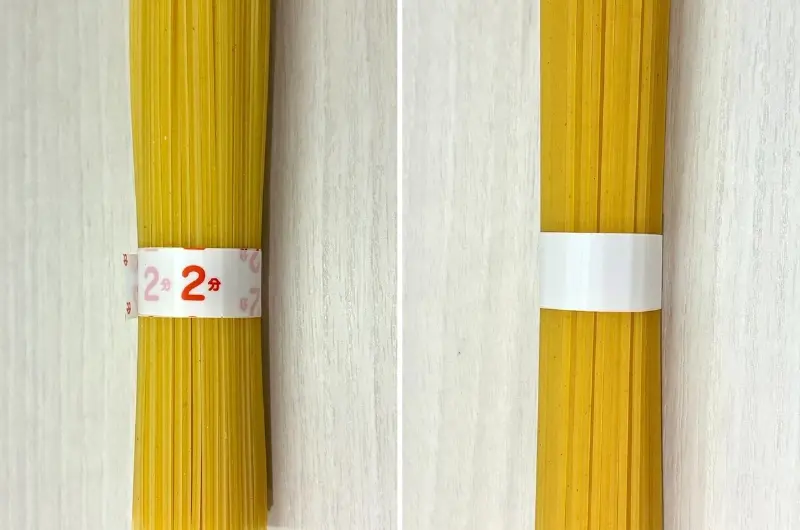
- Major brands are implementing changes, such as Calbee switching to monochrome packaging, Kagome using transparent ketchup containers, and Nisshin Seifun removing printed details from pasta bundles.
- While government and industry officials state a shortage is unlikely, corporate concerns are leading to increased inventory building and, in some cases, halting sales of products over packaging supply fears.

Japanese food makers are shifting to simpler packaging as they brace for possible disruption to supplies of ink made from naphtha, a crude oil-derived material, while the government says enough has been secured to satisfy nationwide demand amid Middle East tensions.
Calbee Inc. said it will introduce monochrome packaging for 14 products from late this month. The affected items include its salt-flavoured potato chips, whose packs will no longer carry the potato-inspired character that has long been part of the design.
"It's not that ink and solvents are in short supply, but we're preparing for the risk of supply disruptions," a company spokesperson said.
Other producers are taking similar steps. Kagome Co. will switch most of the outside packaging for its mainstay tomato ketchup to a transparent format. Nisshin Seifun Welna Inc. will no longer print boiling times on the tape used to bundle portions of dried pasta and noodles.
"Changing packaging materials and reducing the product lineup may become options depending on the situation," a spokesperson for Nisshin Seifun Group Inc., the parent of Nisshin Seifun Welna, said.
Naphtha is produced by refining crude oil and is used in a range of oil-related products, including organic solvents for ink. Shinichi Takei, a senior official at the Japan Printing Ink Makers Association, said a shortage of such raw materials is "unlikely."
Still, worries over possible future shortages have led more food manufacturers to move quickly to build inventories, worsening instability in procurement.
Mizkan Holdings Co. has also halted sales of four "natto" fermented soybean products this month because of concerns about the supply of containers and packaging materials.
Watami Co., a restaurant chain, plans to use removable film instead of lids for "bento" boxed meals sold through its delivery business to cut plastic use.

[Copyright The Jiji Press, Ltd.]
