
Surat Thani oil probe exposes three suspected leakage routes
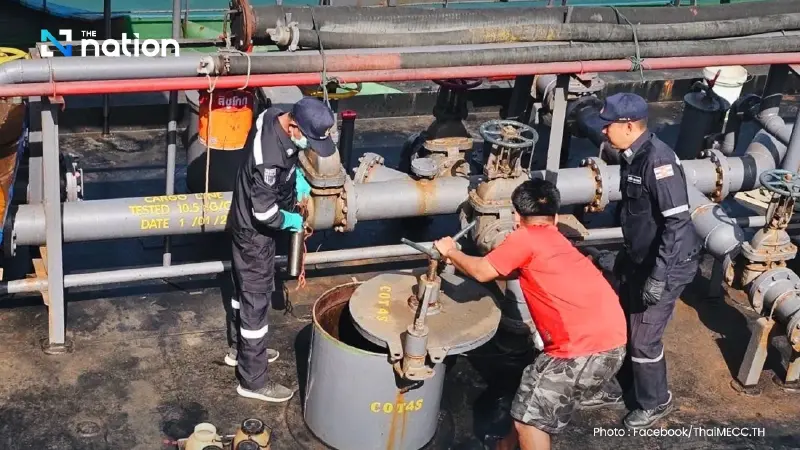


A DSI investigation into abnormal fuel movements in Surat Thani is widening, with sources pointing to two major brands, revived dormant firms and three possible diversion routes.
A suspected oil-hoarding case in Surat Thani has become central to Thailand’s widening fuel probe, after investigators found abnormal stock movements at a local depot and suspicious shipping patterns that suggest oil may have been withheld, delayed or diverted for profit.
Police Major Yutthana Praedam, director-general of the Department of Special Investigation (DSI), told Khao Khon Khon Khao that there were firm grounds to suspect hoarding in the province. He said fuel sales from one depot fell sharply from 1.7 million litres in February to just 400,000 litres in March, even though more than 2 million litres remained in storage.
He also said irregularities had been found in the movements of oil transport vessels, with some ships allegedly sent to drift at sea and taking longer than usual to complete deliveries, apparently to wait for prices to rise before the fuel was sold at a higher margin.
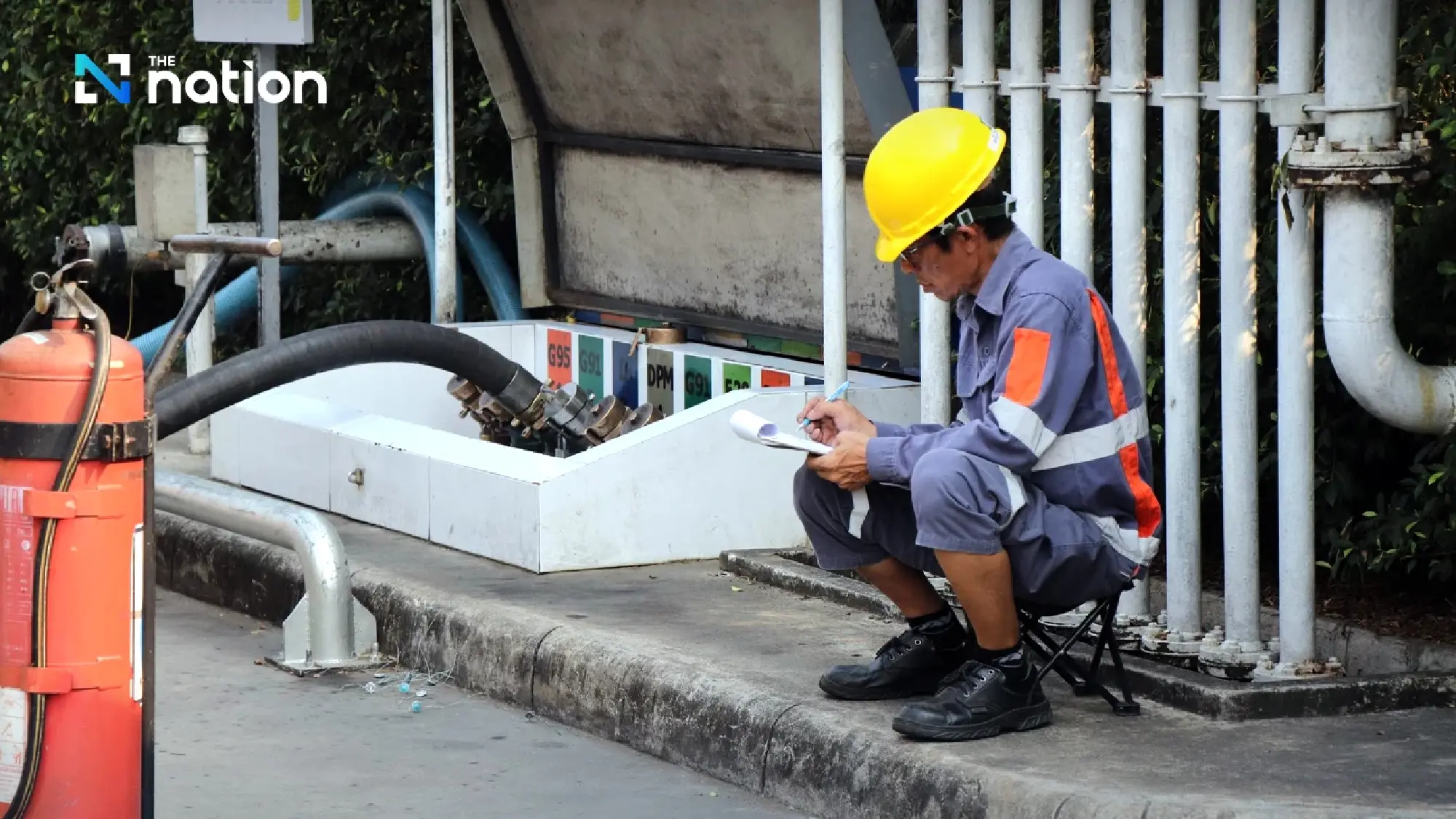

At the same time, footage has emerged showing transfers of “green oil” from fishing boats in waters along the border with a neighbouring country. Green oil is tax-exempt fuel intended for fishing operations.
The DSI is now examining whether depot operators and shipping operators were linked or acting as part of the same network. So far, investigators have not found evidence directly connecting the case to the fugitive oil-smuggling figure known as “Sia Jo”.
Prime Minister Anutin Charnvirakul said on Saturday that authorities had indeed found evidence of “shadowy oil fraudsters”, a remark that marked a clear shift from earlier claims that shortages were largely caused by public panic. A serious blanket inspection in Surat Thani alone reportedly found an abnormal disappearance of 57 million litres of oil. If that volume was diverted and sold to neighbouring countries at a price gap of more than 10 baht per litre, the profit could exceed 500 million baht.
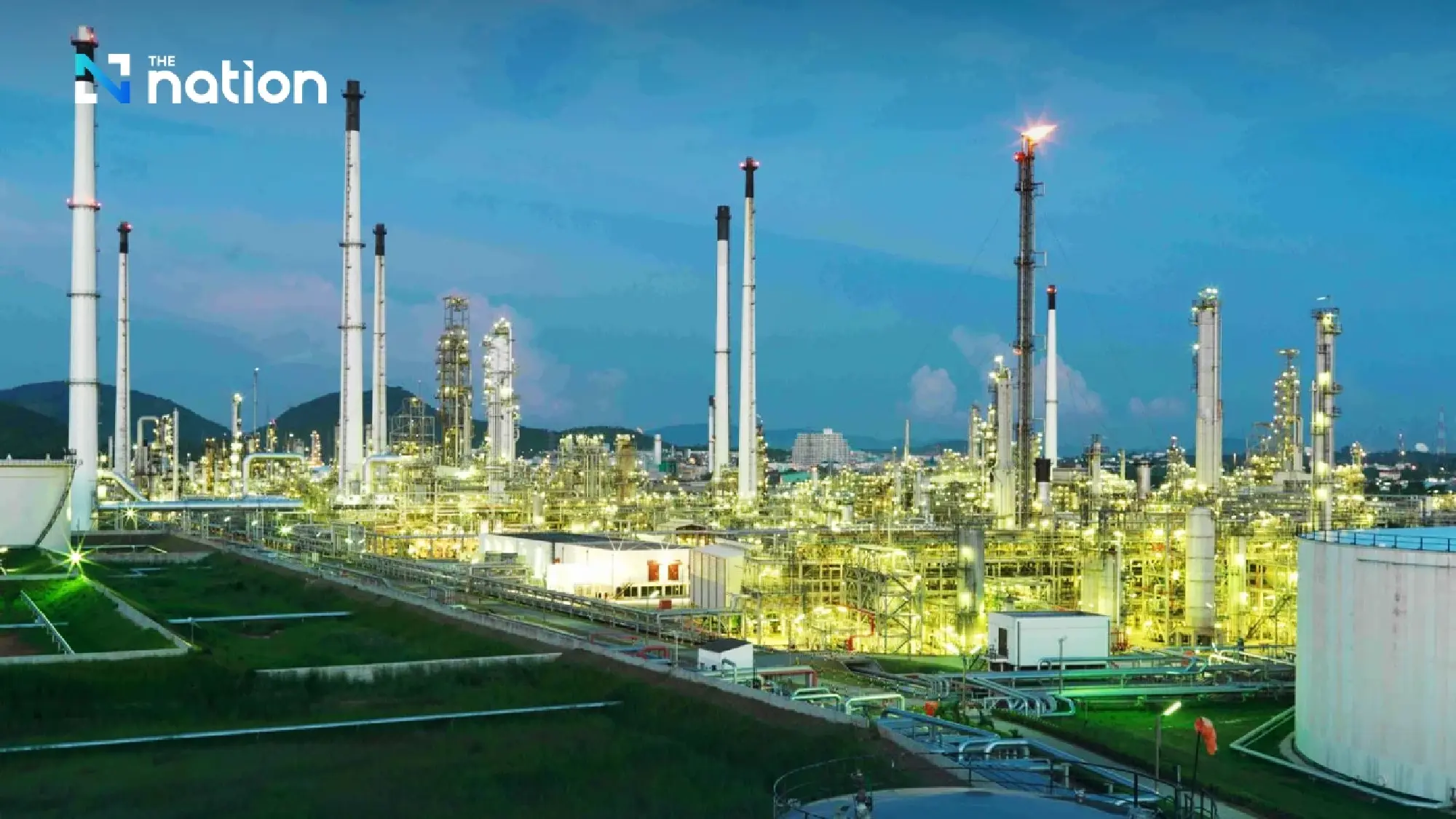

Depot and shipping irregularities trigger wider probe
The Surat Thani case has also drawn attention because it appears to fit a broader pattern of supply disruption. A well-placed source in the province said irregularities had earlier been detected in deliveries that failed to reach petrol stations under two major brands.
According to the source, the first brand operates a refinery, an oil depot in Surat Thani and its own service stations, while the second operates only petrol stations.
The source said this operation had not yet been directly linked to groups previously associated with oil smuggling. That earlier group, the source alleged, had been protected by a former senior police officer, but there has been no obvious or high-profile movement from that network in recent months.
Instead, suspicion is now falling on a separate group allegedly linked to the two brands, which is believed to have hoarded oil to profit from price differentials and may also have diverted fuel out of the country.
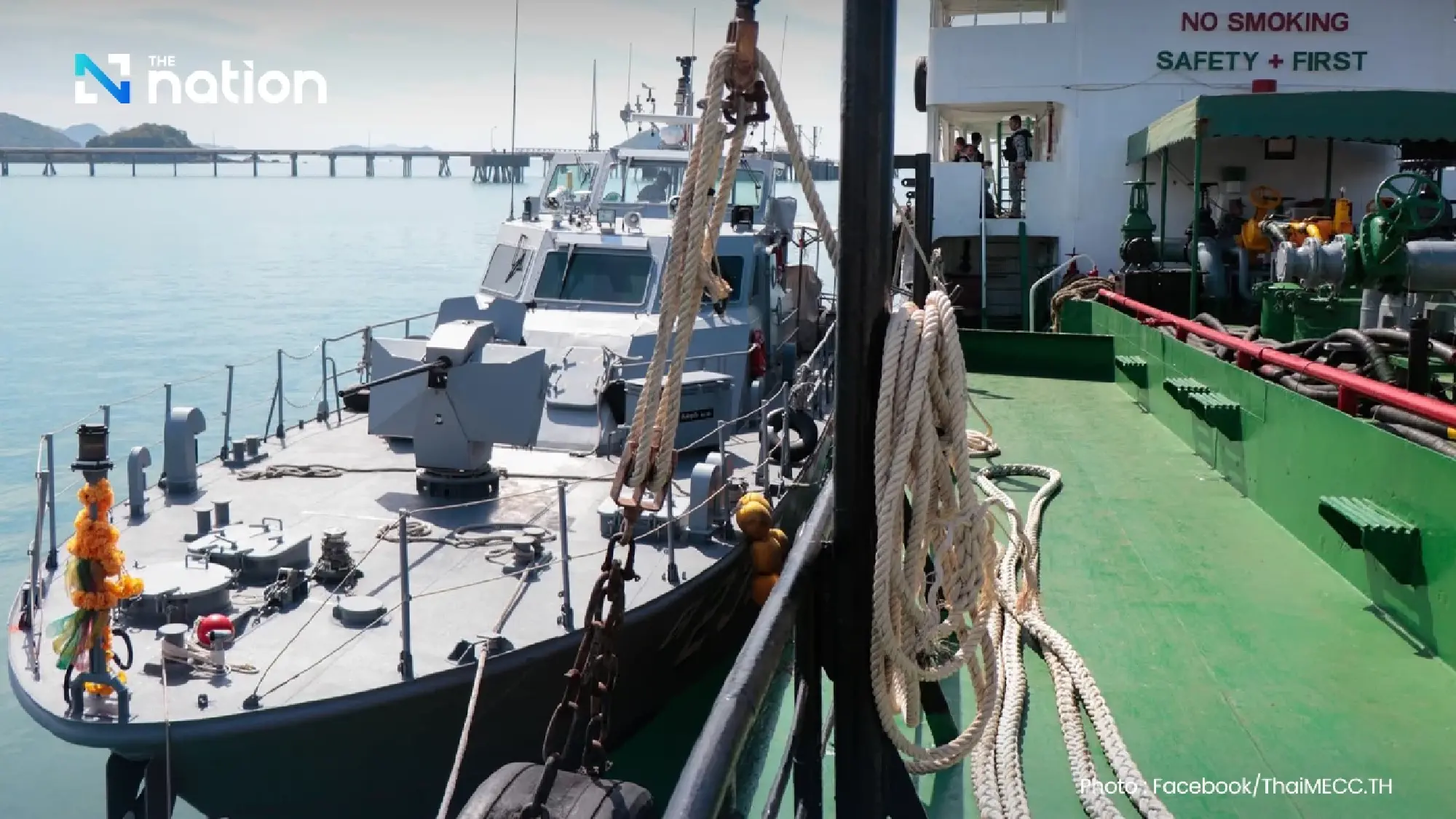

Sources point to two-brand trail and revived firms
A source from a security agency in Surat Thani said further evidence suggested the operation had been planned in advance but carried out quickly once the crisis emerged.
According to the source, dormant companies were revived and re-registered, then used to sign contracts to draw oil from the depot. The apparent purpose was to cut the purchase trail and shield the real masterminds from scrutiny.
That has added a new layer to the investigation, shifting attention beyond missing volumes and delayed shipping to the paper trail behind who was authorised to lift the fuel in the first place.
Three leakage points show how fuel may have been diverted
The Surat Thani case is now being used by investigators and industry sources to explain how fuel could allegedly be diverted through three leakage points along the supply chain from refinery to petrol station.
The first route lies between the refinery and Section 7 and Section 10 oil traders.
Section 7 traders are major operators that produce and blend oil products such as gasohol and biodiesel, and some are also refinery owners. Section 10 traders, or jobbers, distribute refined oil to smaller markets, including unbranded petrol stations and industrial, transport and agricultural users.
According to sources in the oil trade, some refineries may have withheld part of their stock or diverted excess output to jobbers instead of sending it to branded petrol stations under existing contracts. The alleged opportunity arose during the first 15 days of the “two-price oil” period, when the government froze retail pump prices but allowed jobber-market prices to float, creating a gap that at times exceeded 10 baht per litre.
The second route lies between Section 7 traders and jobbers. This is considered a major loophole because large traders can sell to branded stations under clear contracts, but can also sell to jobbers either with or without advance contracts.
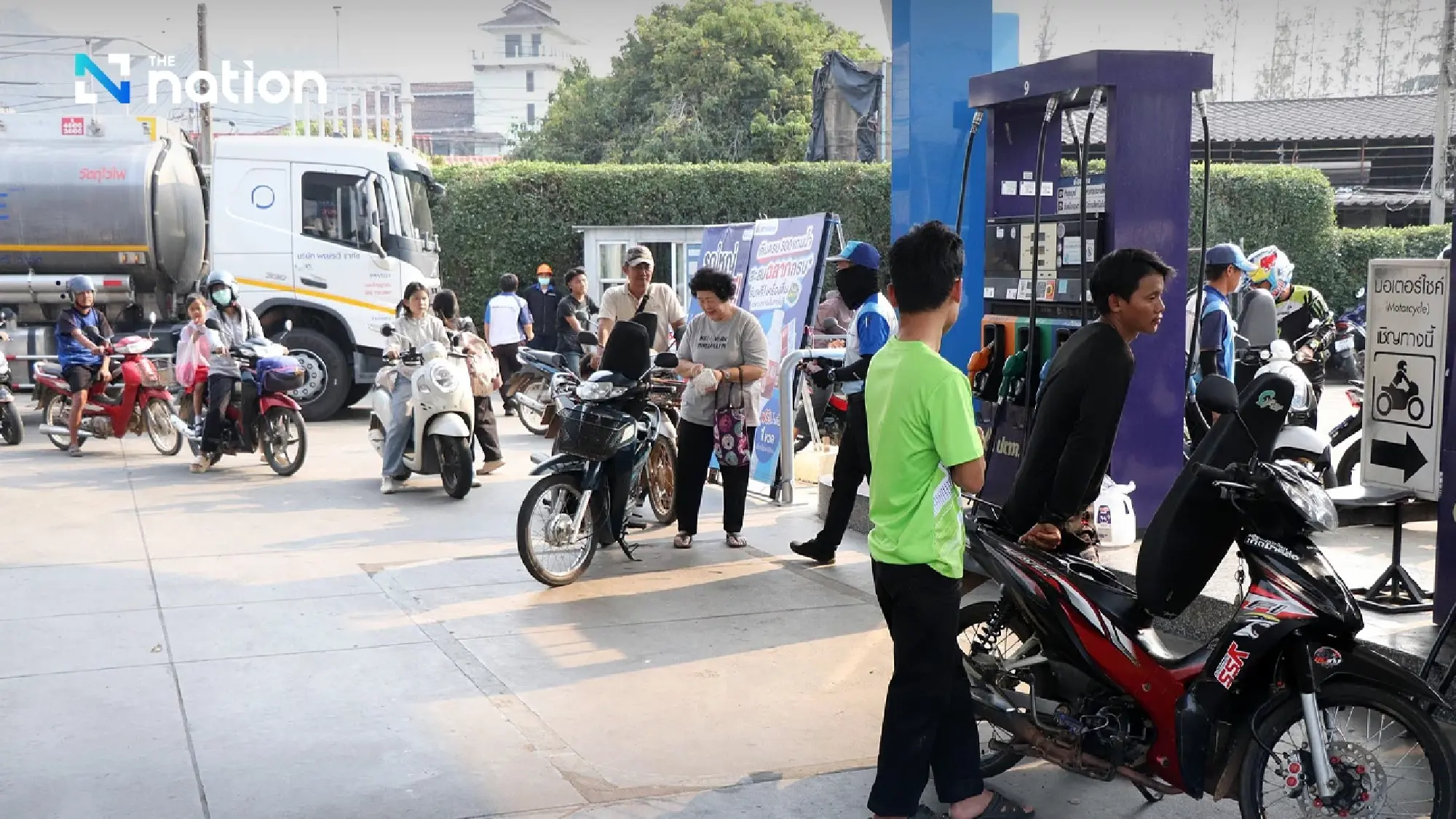
Under this model, fuel could allegedly be redirected away from normal retail channels to capture higher margins. That would leave branded stations short of supply, while jobbers passed on more expensive fuel to smaller operators, transport firms, farms and industry. In turn, some sectors reportedly switched to buying fuel directly from petrol stations, contributing to long queues and panic buying.
The third route is the most serious: diversion out of the country.
In some cases, sources allege, major depot-linked traders and jobbers may have worked together to move oil out of Thailand instead of delivering it to domestic stations under contract. This would leave both petrol stations and industrial users short of supply while generating much larger margins, at times reported to be 15 to 20 baht per litre more than local sales.
Sources in the oil trade and security agencies say the two areas hardest hit by failures to deliver fuel to petrol stations were the South, with its sea access and long-running smuggling problems, and the lower Northeast, which borders Cambodia.

Triple-profit model deepens concern over the case
A former official who once worked on anti-oil smuggling operations in the South said those behind the scheme could profit in three ways.
The first gain came from selling green oil, which is tax-exempt and already known to be traded illicitly at sea.
The second came from hoarding fuel and waiting for prices to rise before releasing it.
The third, and most lucrative, came from exporting the oil abroad, where prices in neighbouring countries were higher than in Thailand.
The former official also alleged that state officials were involved in profiteering networks tied to the oil trade. He pointed to the long-running Sia Jo case, in which a major suspect was arrested in 2012 but the case only reached court in 2025, a delay of 13 years.
That history is likely to add pressure on investigators to show that the Surat Thani case will not follow the same path.
