
Thailand backs Japan’s AZEC 2.0 push to boost energy security
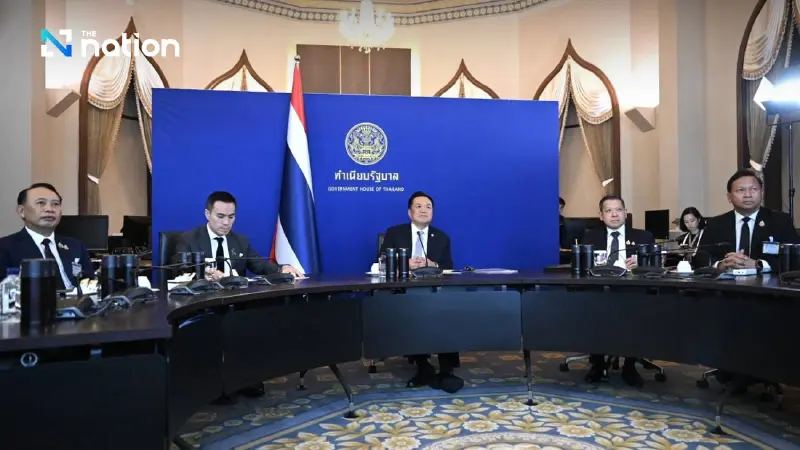


Thailand supports Japan’s AZEC 2.0 plan and low-interest energy loans as regional leaders respond to volatility driven by Middle East tensions.
Thailand has backed Japan’s proposed “AZEC 2.0” framework and new low-interest energy financing measures, as regional leaders stepped up efforts to strengthen energy security amid global market volatility and tensions in the Middle East.
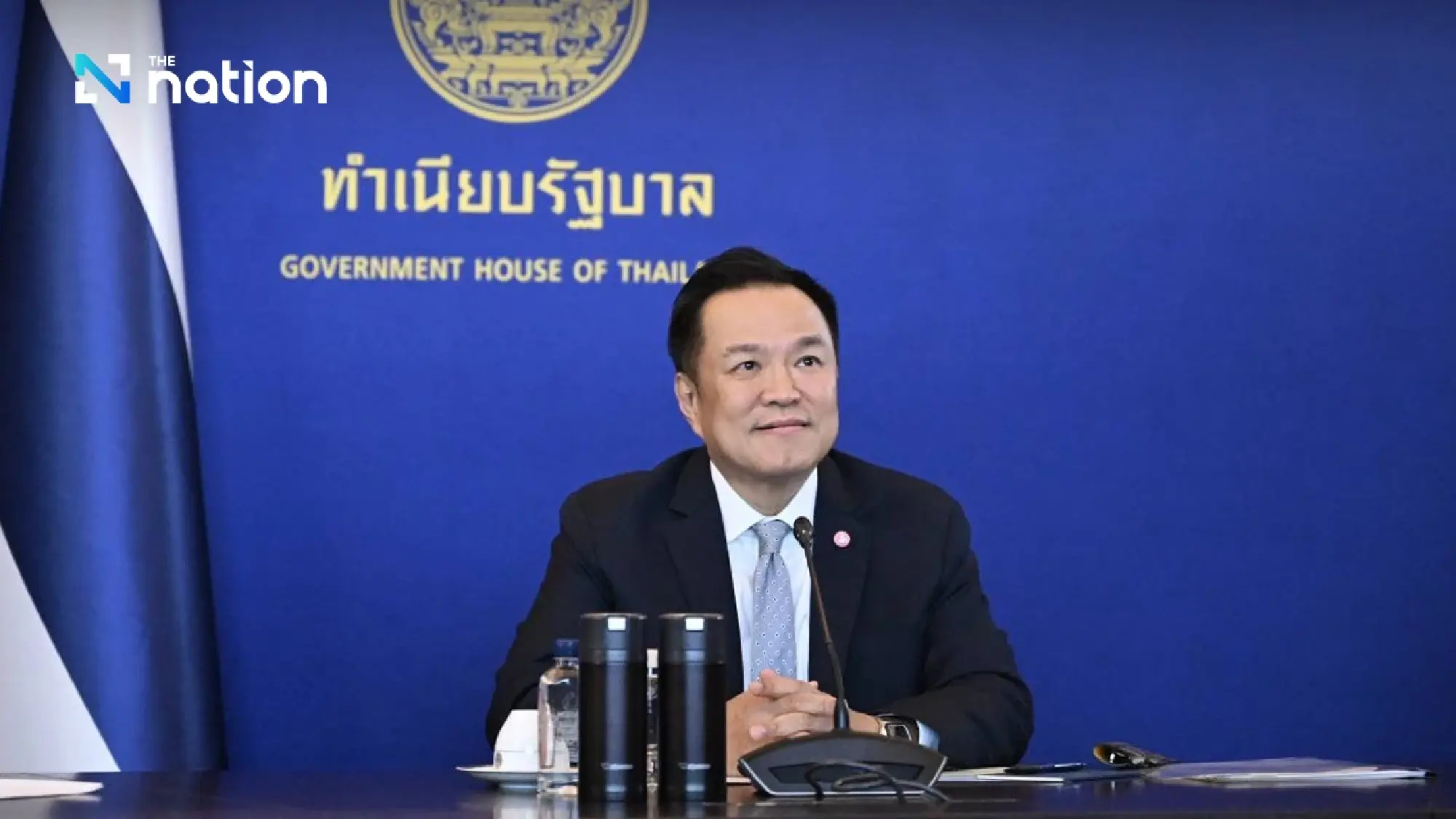
Prime Minister and Interior Minister Anutin Charnvirakul joined the Asia Zero Emission Community (AZEC) Plus Online Summit on Wednesday (April 15) via video conference from Government House, following an invitation from Japanese Prime Minister Sanae Takaichi, who chaired the meeting.
Japan unveils loans and AZEC 2.0 framework
During the summit, Japan announced a new initiative to support AZEC member countries through low-interest loans for the procurement of crude oil, refined fuel and essential goods, alongside broader fiscal support measures.
Tokyo also proposed advancing cooperation under an upgraded “AZEC 2.0” framework aimed at strengthening long-term energy resiliency across member economies.
AZEC, launched by Japan in 2022, brings together countries across Asia to address shared energy security challenges. Participants at this year’s summit included leaders from the Philippines, Malaysia, Singapore, Vietnam, Timor-Leste, Bangladesh and Thailand, along with ministerial-level representatives from South Korea, Australia, Brunei, India and Sri Lanka, as well as international organisations such as the International Energy Agency and the Asian Development Bank.

Regional cooperation key amid energy volatility
Government spokeswoman Rachada Dhnadirek said Anutin stressed the importance of regional cooperation at a time when global energy markets remain volatile, driven in part by ongoing tensions in the Middle East.
Recent developments in the region, including conflict involving Iran and concerns over potential disruptions in key shipping routes such as the Strait of Hormuz, have heightened risks to global oil supply and transport, underscoring the importance of maritime security for both energy and food supply chains.
Anutin noted that while many countries are adopting similar response measures, their capabilities differ, making international cooperation essential. He added that Asean foreign ministers had already discussed the issue and would continue at the leaders’ level to deepen cooperation with Japan in maintaining supply chain stability and strengthening resilience at critical points.
Thailand balances short-term relief with long-term transition
In the short term, Anutin emphasised the need to stabilise energy markets and mitigate the impact on the public through coordinated mechanisms. Thailand, he said, has been closely managing domestic fuel supplies to prevent sharp increases in energy costs, while introducing targeted assistance measures.
The government is prioritising ensuring adequate access to energy at reasonable prices while easing cost-of-living pressures.
Looking ahead, Anutin said the current crisis presents an opportunity to accelerate the energy transition. Thailand is continuing to promote clean energy, including expanding the use of biofuels, increasing solar power capacity and strengthening regional renewable energy supply chains, in line with its goal of achieving net zero emissions.
Thailand also welcomed Japan’s leadership and expressed readiness to work with Japan and fellow Asean members to navigate the current crisis and build sustainable energy security for the future.
