
Chinese supermarkets expand in Thailand on low prices and viral buzz



Stores selling Chinese snacks, drinks and hotpot ingredients are expanding from Chinese communities into malls and tourist cities.
- Chinese supermarkets are rapidly expanding from niche community shops to mainstream shopping centers and tourist cities across Thailand.
- Their growth is fueled by offering a wide range of imported Chinese goods at low prices, a result of efficient supply chains and reduced import costs.
- The stores capitalize on "viral buzz" by stocking trendy products popularized on social media platforms like TikTok, attracting young Thai consumers and content creators.
- The product selection, including snacks, mala sauces, and hotpot ingredients, caters to the rising popularity of Chinese food and culture in Thailand.

Chinese investment continues to make inroads into Thai retail, with “Chinese supermarkets” expanding into Huai Khwang, Rama 9 and tourist cities.
The stores stock Chinese goods ranging from snacks, drinks, tea, soft drinks, mala sauces and instant noodles to ready-to-eat food, responding to strong online trends.
The expansion of Chinese supermarkets in Thailand is becoming another significant phenomenon in modern retail.
After a steady rise in branch openings in Bangkok, tourist cities and Chinese community areas, stores that were once small niche shops are now increasingly moving into shopping centres and community malls, clearly reflecting the influence of Chinese investment and changing consumer behaviour.
Over the past 3-5 years, particularly after Covid-19, Chinese retail businesses have expanded rapidly in Thailand, including variety stores, restaurants, milk tea outlets and “Chinese supermarkets” focused on consumer goods imported directly from China.
Initially, such stores typically opened in areas with dense Chinese communities, such as Huai Khwang, Ratchadaphisek, Rama 9, Yaowarat, Lat Krabang and university districts, before expanding to tourist provinces such as Chiang Mai, Phuket and Pattaya, where the number of Chinese tourists and Chinese long-stay residents has continued to rise.
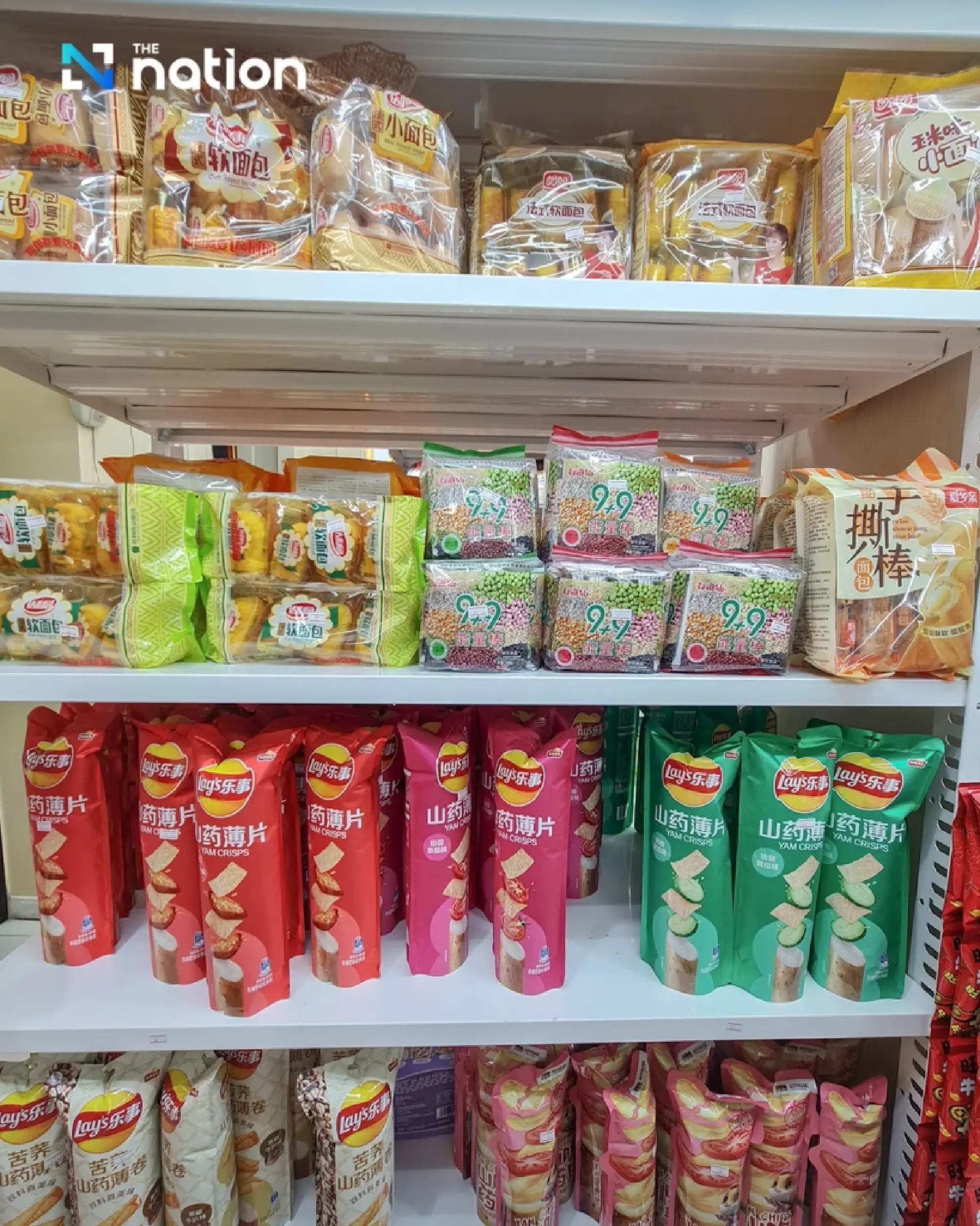

Expanding to reach younger consumers
Several Chinese supermarket brands are now beginning to expand seriously in Thailand, through standalone stores, community stores and rented space inside shopping centres.
One of the most-discussed brands is “Wang Zhong Wang”, which has branches across Huai Khwang, Chula Soi 5, Soi 12 in Lat Krabang, Rama 9 and tourist provinces such as Chiang Mai, Phuket and Pattaya, before moving into shopping centres in key locations such as Rama 3, Ram Inthra and the Sukhumvit zone.
In addition, there are many other Chinese goods retailers legally operating in Thailand, including Chinese supermarkets in Huai Khwang, Ratchadaphisek and Rama 9, many of which have become destinations for both Chinese people living in Thailand and Thai consumers specifically seeking imported Chinese products.
Some stores have developed a format similar to an “Asian lifestyle store”, bringing together snacks, drinks, hotpot ingredients, seasonings, fashion items, homeware and viral Chinese products in one place.
This makes the in-store atmosphere different from a traditional supermarket and better suited to younger consumers.
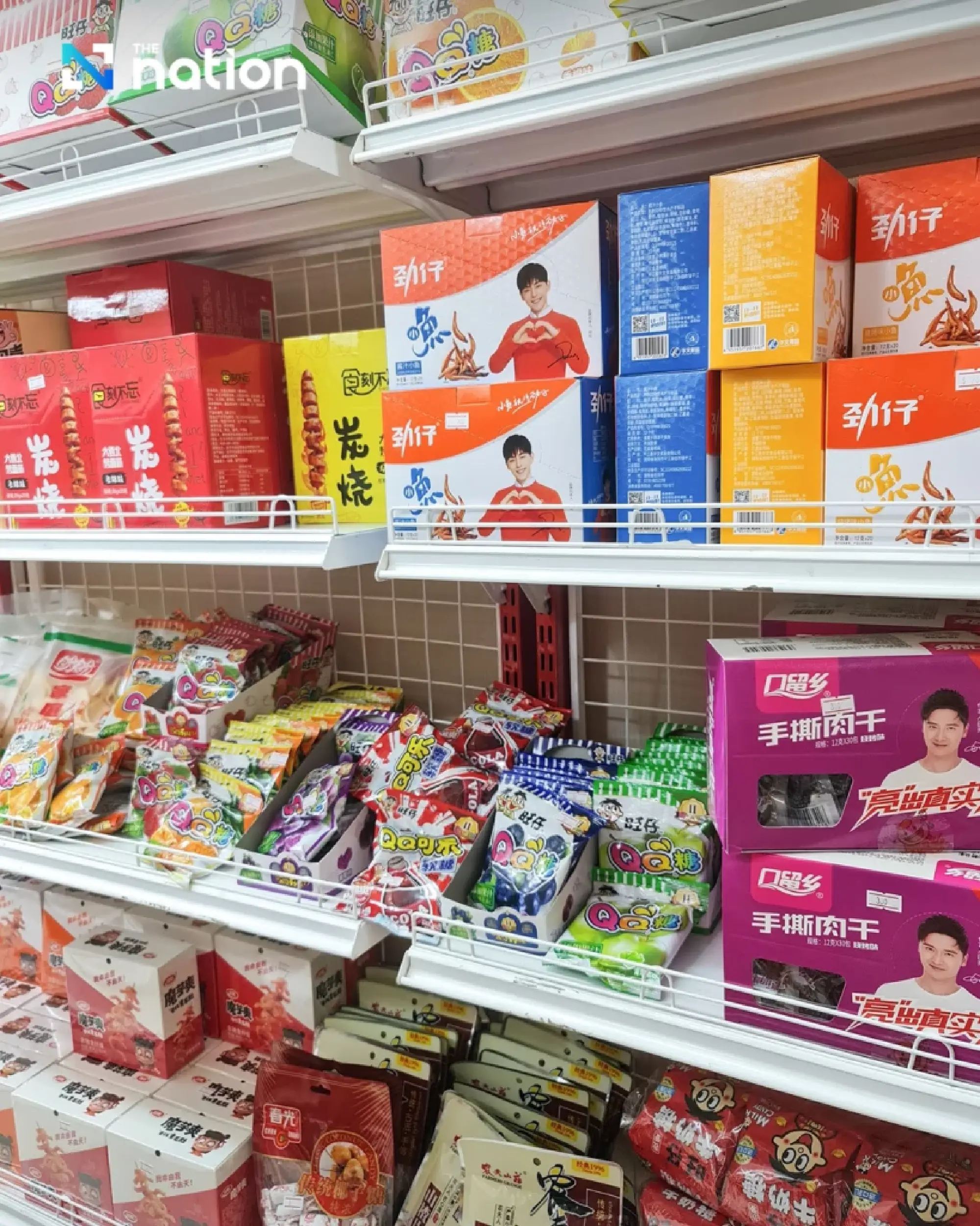

Following social media trends
From small shophouses, Chinese supermarkets are now being found renting space in major shopping centres and community malls across Bangkok, including Rama 3, Ram Inthra, Rama 9, Sukhumvit and central business districts.
Store formats resemble small supermarkets, selling almost entirely Chinese imports, from snacks, drinks, tea, soft drinks, seasonings, mala sauces, instant noodles, ready-to-eat food and ingredients for Chinese cooking to frozen goods and products that have gone viral online, such as pickled chicken feet, mala tofu, Chinese sweets, fruit tea drinks and spicy Sichuan-style snacks.
Many items are priced from tens of baht to hundreds of baht, with novelty and rapid product updates as key selling points.
As a result, the core customers are not only Chinese people but also Thai teenagers, content creators and younger consumers open to Chinese culture through online platforms such as TikTok, Douyin and Xiaohongshu.
The growth of Chinese shops in Thailand has taken place alongside the popularity of Chinese series, Chinese food, Chinese milk tea, Chinese-style cafes and Chinese consumer goods.
In particular, Sichuan and Chongqing-style Chinese food has gained popularity among younger consumers, making many Chinese ingredients easier to find in Thailand, including mala sauce, aromatic chilli, Sichuan peppercorns, Chinese spices, sweet potato noodles, dried tofu, tofu skin and frozen ingredients for shabu and hotpot restaurants.
Many Chinese supermarkets have also expanded their product ranges to ingredients specifically for Chinese restaurants and mala restaurants, including frozen meat, imported meatballs, Chinese noodles, seasoning sauces and specialist ingredients that previously had to be ordered through niche importers.
This has made Chinese ingredients much easier for general consumers to access than several years ago.
Wide range of goods at low prices
Data from the Ministry of Commerce indicates that China remains Thailand’s No. 1 trading partner, with total Thailand-China trade in 2025 worth several trillion baht.
The share of food, drinks and consumer goods from China has continued to rise, in line with the expansion of Chinese retail stores in Thailand.
At the same time, the arrival of Chinese e-commerce platforms and cross-border logistics systems has sharply reduced the cost of importing Chinese goods, allowing operators to import products quickly and at a lower cost than imports from many other countries.
This phenomenon has begun to affect the competitive structure of the Thai retail market, especially Asian import shops, imported snack shops, traditional grocery shops and small retailers that increasingly have to compete with cheap Chinese goods.
In several areas of Bangkok, Chinese businesses are beginning to cluster into more of an “ecosystem”, including Chinese restaurants, Chinese milk tea shops, variety stores, Chinese supermarkets and service businesses catering specifically to Chinese people.
Huai Khwang-Ratchadaphisek is one of the areas where this is most clearly visible.
Huai Khwang is now also viewed as Bangkok’s “new Chinatown”, after the continued expansion of Chinese businesses, including restaurants, barbecue restaurants, hotpot restaurants, milk tea shops, tourism services and Chinese supermarkets along Pracha Rat Bamphen and Ratchadaphisek roads.
The expansion of Chinese businesses in Thailand has also coincided with the recovery of Chinese tourists after reopening, leading many operators to see opportunities to expand their markets to serve both tourists and Chinese people working or staying long-term in Thailand.
Made in China gains momentum
However, the rapid growth of Chinese supermarkets has also raised concerns over product standards and consumer protection, after state agencies found that some imported products lacked Thai-language labels and did not display legally required information.
This led to inspections of several Chinese supermarkets in Bangkok and the seizure of tens of thousands of items, covering snacks, drinks, dried food and frozen food.
While Thai retail has previously faced competition from Japanese and Korean goods stores, the entry of Chinese supermarkets is different because China has strengths in large-scale manufacturing capacity, low costs and strong supply chain networks, allowing new products to be sent into the market quickly.
Thai consumers are also becoming more familiar with “Made in China” products.
While Chinese goods were once often associated with cheap products, many Chinese products today have been developed with modern designs, distinctive packaging and intensive social media marketing.
Thailand’s Chinese food and drink market is also expected to continue growing in line with the expanding trend for Chinese food consumption, including mala, hotpot, Chinese milk tea and ready-to-eat food, which are increasingly becoming part of urban lifestyles.
The “Chinese supermarket” phenomenon is therefore not merely the opening of ordinary shops, but reflects changes in Thailand’s retail landscape at a time when Chinese investment is extending its influence into the grassroots economy, from restaurants, ingredients, supply chains and logistics to storefront retail, amid intensifying competition.
