
Digital nomads seek cities for longer, steadier stays in 2026
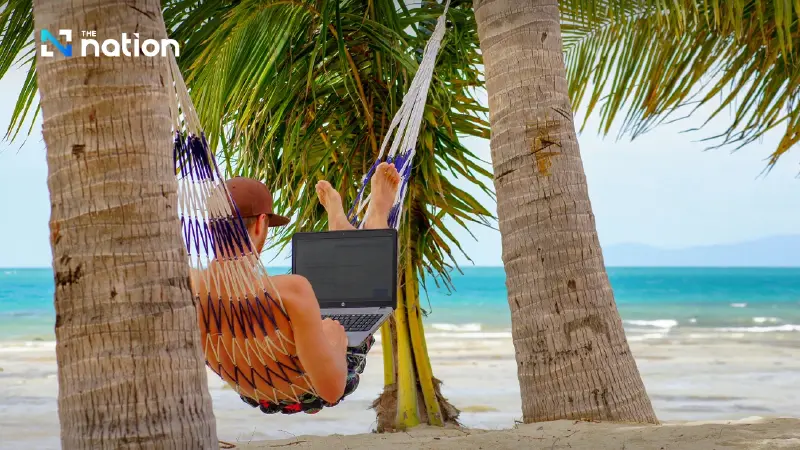


Forbes says creators, freelancers, online entrepreneurs and digital workers are choosing cities that offer business networks, stability and quality of life.
- In 2026, digital nomads are shifting from constant travel to "slowmading," opting for longer, more stable stays in a single city to avoid burnout and build community.
- The criteria for choosing a city have evolved from tourism appeal to long-term livability, focusing on business opportunities, quality of life, stability, and professional networking.
- Cities like Lisbon, Medellín, and Austin are gaining popularity as they offer strong infrastructure, growing tech and startup ecosystems, and favorable conditions for long-term settlement.
- A related trend shows a move towards smaller cities, such as Asheville, that prioritize a high quality of life, nature, and mental well-being over the bustle of major metropolises.
Over recent years, the idea of being a “digital nomad”, or a worker able to work from anywhere in the world, has moved from a niche lifestyle into a widely popular way of life, especially after remote work became normal in many industries around the world.
But 2026 has reflected a significant shift in digital nomad culture.
People are no longer choosing destination cities solely for their beauty or low cost of living, but are starting to look for “cities suited to long-term living” in terms of business opportunities, quality of life, stability and communities where they can build real networks.
Forbes’ latest report has compiled eight key cities that are becoming new destinations for creators, freelancers, online entrepreneurs and digital workers worldwide, with each city reflecting a new trend in work and living in the era after the digital economy boom.

One city that continues to enjoy steady popularity is Lisbon, Portugal. This Atlantic coast capital has become a hub for tech workers and creators from around the world.
Strong internet infrastructure, an open culture and visa policies favourable to foreign nationals mean Lisbon is not just a tourist city, but also a place for modern workers to settle long term.
It also has a large start-up community and many co-working spaces, allowing people to build business networks quickly.

Medellín, Colombia, once remembered for its former image of crime, has now become one of the most popular cities for digital nomads.
With a low cost of living compared with major cities in Europe or the United States, a cool climate throughout the year and a lively local culture, Medellín attracts both content creators and young entrepreneurs who want a balanced life.
The city has also seen rapid growth in technology businesses and online services, creating a stronger ecosystem for digital workers each year.
In Asia, Chiang Mai in Thailand remains a name that consistently appears in the rankings.
Although competition from other cities has increased, Chiang Mai still has strengths in cost of living, convenience and an atmosphere suited to flexible work.
Cafes and co-working spaces are spread across the city, while its expatriate and freelance communities are large enough to make newcomers feel easily connected.
Many people see Chiang Mai as a city where life can be simple while still offering a good quality of life, especially for those who want to slow down from the rush of major metropolises.

Another Asian city drawing considerable attention is Da Nang, Vietnam.
The coastal city, once seen simply as a holiday destination, is becoming a new hub for online workers.
With a cost of living that is still not too high, fast internet and a quieter environment than major cities such as Ho Chi Minh City or Hanoi, Da Nang meets the needs of younger generations seeking a balance between work and life.
Many people see the city as being at the same point as Chiang Mai several years ago: not yet too crowded, but already beginning to develop serious infrastructure for foreign nationals.

On the other side of the world, Cape Town, South Africa, is becoming more popular among lifestyle creators and online businesspeople.
The city has a striking landscape, including mountains, the sea and diverse cultures, making it a source of inspiration for creative workers.
Although safety concerns remain in some areas, infrastructure development and workspaces for foreign nationals have helped make Cape Town another destination to watch in 2026.
For the United States, Austin, Texas, continues to grow as a city of technology and start-ups.
With a culture open to younger generations, a cost of living still lower than San Francisco and a large network of investors, Austin has become a gathering point for technology developers, creators and online entrepreneurs.
The city shows that today’s “digital nomad” does not only mean someone who travels all the time, but also includes people who choose a city that helps expand business and career opportunities.
Miami, meanwhile, is becoming a city that connects the worlds of creators, technology, finance and luxury lifestyle.
This coastal city attracts influencers, investors and entrepreneurs from around the world, especially after many technology companies began moving parts of their operations to Florida.
Miami is therefore no longer just a tourist city, but a fast-growing centre of the modern creative economy.
Forbes also mentioned Asheville, a small city in North Carolina, which reflects an interesting new trend in the digital nomad world: the move away from large cities towards smaller cities with a high quality of life.
Many people are beginning to value nature, mental health and community more than the bustle of major metropolises.
Asheville has therefore become a representative of “slow living”, focused on balance between work and personal life.
What is clear from the 2026 trend is the transition from the era of “constant travel” to the concept of “slowmading”, or staying in one city for longer. Many digital nomads are beginning to realise that frequent relocation can cause fatigue and create a lack of stability in both finances and social relationships. As a result, cities that can offer career opportunities, convenience and a good quality of life are becoming more important choices than cities that are simply “worth visiting”.
Ultimately, the growth of digital nomad culture reflects a major shift in the world of work in the 21st century.
As people have greater freedom to choose where they live, cities around the world must compete not only on economics or tourism, but also on their ability to attract “workers of the future” through quality of life, infrastructure and communities that genuinely meet the needs of the digital age.

