
Japan’s content push exposes Thailand’s soft-power trap
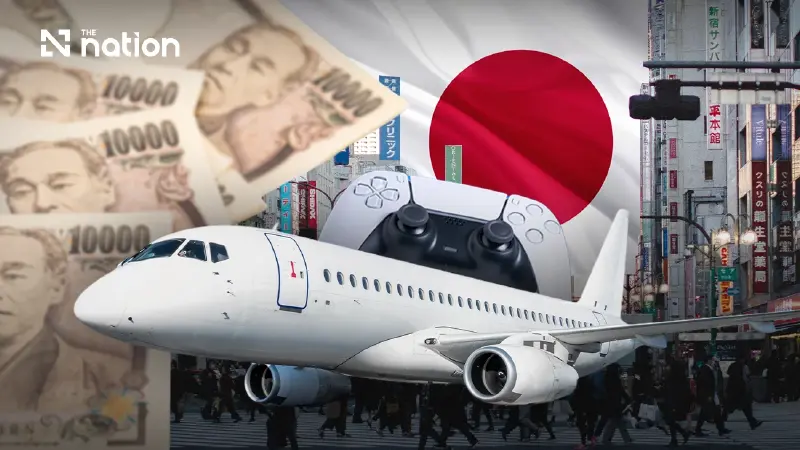


Japan’s plan to boost funding for anime, games and music highlights a deeper challenge for Thailand: a creative economy with huge value, but a digital content sector still trapped in outsourced production.
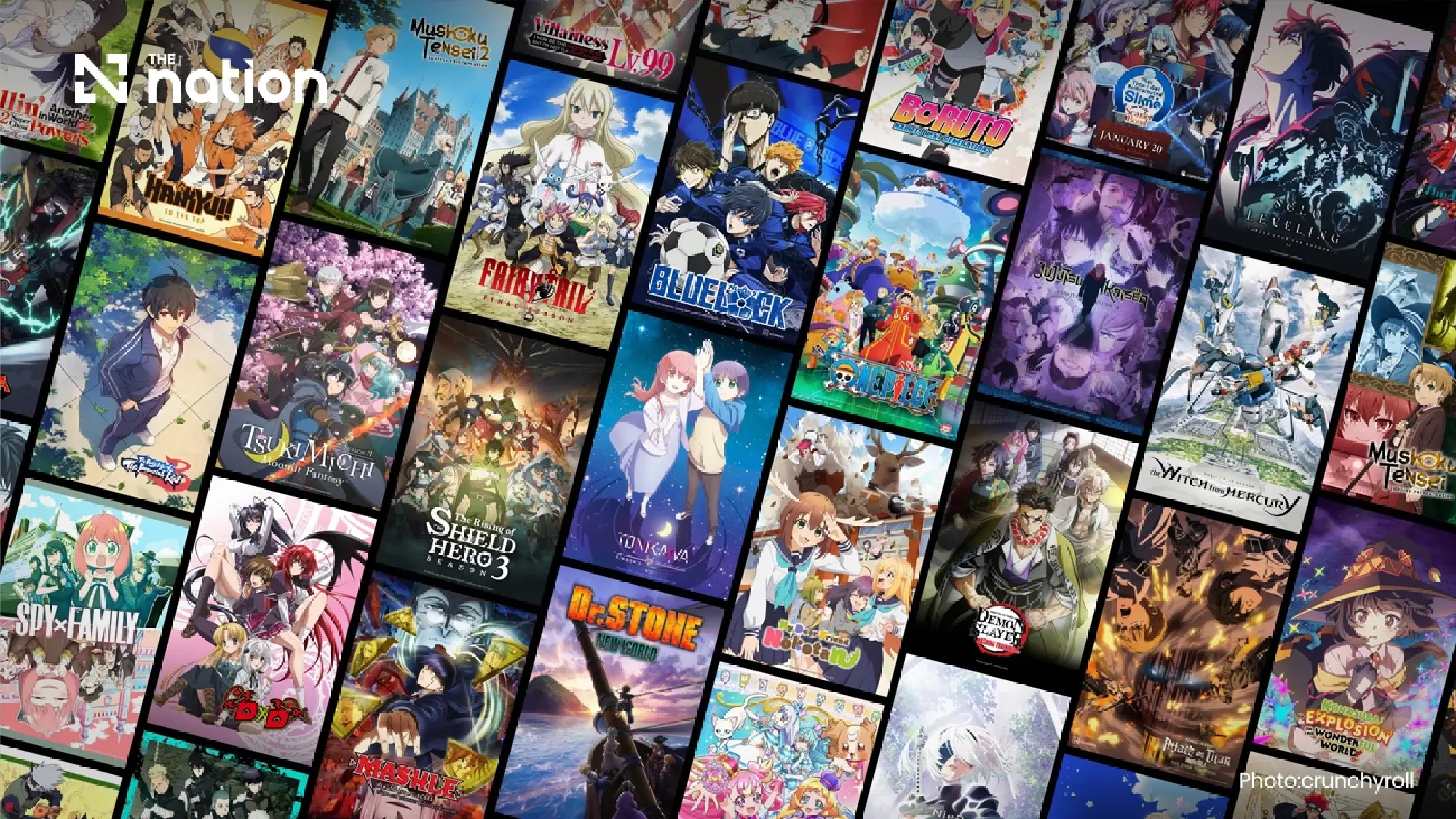
Japan’s plan to double state support for its content industry is more than a cultural policy. It is a signal that Asia’s soft-power race is moving into a new phase, where anime, games, music and digital platforms are being treated as strategic export industries.
The Japanese government is considering raising its annual support budget for the content sector to around 100 billion yen, covering anime, games and music. It is also preparing a five-year plan that could inject more than 500 billion yen into the industry, with the goal of increasing global sales from 6 trillion yen to 20 trillion yen by 2033.
The move follows the example of South Korea, which has long used entertainment, music, drama and digital content as engines of global influence. Seoul spends around 76 billion yen a year to support the sector, while Japan has recognised that overseas revenue from content has already grown to a level exceeding semiconductor exports.
Japan treats content as an export industry
Japan’s new push is expected to focus on practical tools for expansion: artificial intelligence, translator development, crackdowns on pirate websites and stronger penetration of the smartphone games market.
This is not simply about promoting culture abroad. It is about building an ecosystem that allows Japanese creators and companies to own intellectual property, scale production and capture long-term revenue from global audiences.
That is the key difference between countries that turn culture into economic power and those that merely stage cultural showcases.
Thailand has value, but not enough leverage
Thailand is not starting from zero. Data from the Creative Economy Agency estimates that the country’s creative industries are worth 1.44 trillion baht, equal to 8.01% of GDP, while generating more than 390 billion baht in export value.
On paper, the numbers are impressive. In practice, however, much of the revenue remains concentrated in traditional creative sectors such as fashion, advertising and design.
The sector that should be powering the next phase of Thai soft power — digital content — remains stuck in what many industry observers describe as the “outsourced production trap”.
The outsourced production trap
The Thai games industry offers a clear example. Although the domestic games market is worth more than 34 billion baht, genuinely Thai-made games account for less than 5% of the market.
Operators that own their own intellectual property generate only 409 million baht in revenue, while outsourced production for foreign clients is valued at 133 million baht. Both figures are small when compared with the overall size of the market.
This reflects a deeper structural problem. Thai creators are skilled, adaptable and internationally competitive, but too many remain positioned as low-cost, high-skilled labour for foreign capital rather than as owners of content that can generate long-term global income.
Soft power is not an event
One of Thailand’s biggest weaknesses is a misunderstanding of what soft power requires.
State agencies often treat soft power as a matter of events, festivals and tourism campaigns. These activities may create short-term visibility, but they do not necessarily build the foundations of a globally competitive creative economy.
A serious content strategy requires investment in infrastructure, talent development, translation, distribution, intellectual property ownership, market access and legal reform. Without those elements, Thailand risks spending heavily on promotion while failing to help creators build businesses that can compete internationally.
Censorship limits creative risk
Another major obstacle is the country’s system of censorship and moral control.
While South Korea’s creative industries have grown under a model often described as “support without interference”, Thailand still operates under rules that allow state agencies to suspend, cut or restrict content based on broad moral interpretations.
Examples include orders to cut scenes from Thai films such as Tai Ban The Series 2.2 and Hun Payon, as well as controversy over restrictions on the use of Thai dance gestures in the internationally known horror game Home Sweet Home.
Such controls do not only limit artistic freedom. They also weaken investor confidence, discourage risk-taking and push creators towards self-censorship before their work even reaches the public.
Cinema structure remains a bottleneck
The film industry faces another long-standing problem: market concentration in cinema distribution.
Large cinema chains hold strong bargaining power over screening slots. If a Thai film fails to meet opening-day revenue expectations, its showtimes may be quickly reduced or removed to make way for major Hollywood releases.
This structure makes it difficult for local films to build momentum through word of mouth. It also discourages investment in riskier or more original Thai projects, because creators know that market access can be cut short almost immediately.

Lessons Thailand should draw
Japan’s own experience offers a warning as well as a model. The Cool Japan strategy showed that state-led attempts to promote only the “good” or officially approved image of national culture can struggle if they fail to match global consumer demand.
For Thailand, the lesson is clear: culture must be allowed to evolve, adapt and even challenge official expectations. Effective soft power is flexible, fluid and audience-driven. It cannot be built only around what the state considers respectable or safe.
Thailand also needs to rethink how it funds creative industries. Direct subsidies can be vulnerable to patronage and lack of transparency. Tax credits, by contrast, could create clearer incentives for global studios to hire Thai talent, use Thai facilities and establish production bases in the country.
A model similar to those used in France or the United Kingdom, where international streaming platforms contribute to domestic content ecosystems, could also help recycle revenue back into Thai production.
From hired hands to IP owners
Thailand’s priority should not be simply to make more content. It should be to help Thai creators own more of what they make.
That means supporting intellectual property development, protecting creators’ rights, expanding access to global distribution, improving translation capacity and creating financial tools that allow small studios to scale.
It also means tackling monopolistic bottlenecks. In the cinema sector, Thailand could study Taiwan’s joint-investment model, where partnerships with major theatre operators help align the interests of cinemas and content producers. If cinema operators become co-investors in local films, cutting showtimes would directly affect their own returns.
Thailand risks being left behind
Japan’s content push exposes the central weakness in Thailand’s soft-power strategy. The problem is not a lack of talent, culture or creativity. Nor is it simply a lack of money.
The real problem is that Thailand has not yet built a system that allows creative workers to become owners of globally scalable content.
Unless legal restrictions are eased, funding mechanisms are redesigned and an independent body is empowered to drive the creative economy with long-term vision, Thailand’s 1.44-trillion-baht creative industry may remain trapped as an outsourced production base.
In an era when anime, games, music and digital content are becoming national economic assets, the countries that succeed will be those that help creators move from hired hands to intellectual property owners. That is the shift Thailand must make before the next phase of Asia’s soft-power race leaves it behind.
Source: Post Today
