
China’s 15th plan to reshape demand; DITP flags risks and openings for Thai firms
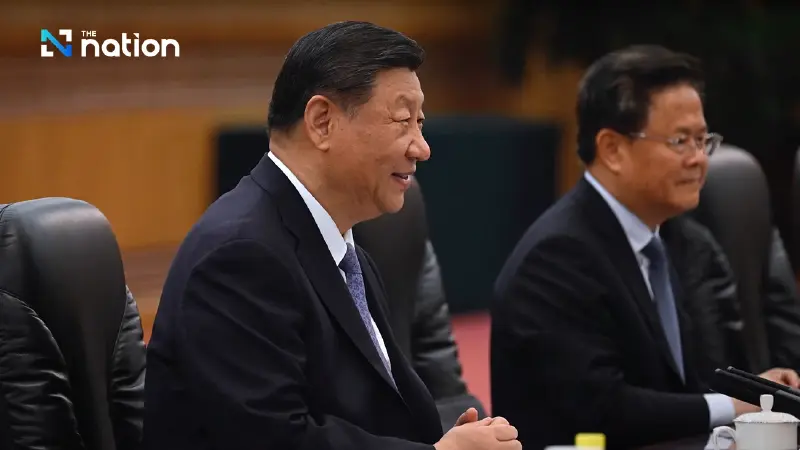


DITP says China’s 15th plan (2026–2030) will affect Thai trade and investment, urging a shift to high-value, green and tech-driven products and services.
The Department of International Trade Promotion (DITP) has warned that both the Thai government and the private sector need to adapt to China’s 15th National Economic and Social Development Plan, saying the shift will have significant implications for Thai exports and broader economic ties.
The DITP said its Office of Commercial Affairs in Guangzhou analysed the impact on Thailand and outlined how the public sector, private sector and Thai entrepreneurs should respond.
China’s transition seen to affect Thailand’s trade and investment
The DITP quoted its Guangzhou office as saying China’s transition to a high-quality economy under the 15th plan (2026–2030) will have a meaningful impact on Thailand, as China remains one of Thailand’s key trading partners and major sources of investment.
It said China’s growing demand for higher value-added goods and services, clean technology and modern services could create new opportunities for Thai exports, tourism and investment.

Higher standards could intensify competition
At the same time, the DITP said China’s push to raise product, technology and environmental standards is expected to intensify competition across many industries—particularly manufacturing sectors that rely heavily on cost competitiveness.
DITP: Government should boost competitiveness
Against the backdrop of China’s economic transition, the DITP said the Thai government should urgently strengthen Thailand’s competitiveness by supporting advanced-technology industries, the green and environmentally friendly economy, and high-value services.
It also pointed to the need to develop workforce skills and deepen trade cooperation with China.
SMEs urged to shift from price to value
The DITP added that the private sector and Thai entrepreneurs—especially SMEs—should move away from competing mainly on price and instead focus on value creation, quality, innovation and sustainability to capture opportunities in China’s evolving market.

Background: China’s “high-quality growth” direction
The DITP said China is pursuing high-quality growth through continued deep economic reforms and efforts to stabilise and restructure its market, which it said has helped strengthen the economic foundation and improve investor sentiment.
It noted that China is set to begin implementing the 15th plan in 2026, with a focus on investment in human resources and measures to support domestic consumption. The plan also emphasises strengthening the social safety net and social protection.
Domestic-demand measures and export performance
The DITP said China’s National Development and Reform Commission has adjusted mechanisms to stimulate domestic demand, including paid annual leave arrangements that allow flexible, staggered vacations, alongside continued expansion of free education and promotion of basic public services for permanent residents.
On trade, the DITP said China’s exports in the first 11 months of 2025 rose 5.4% year-on-year, led by environmentally friendly products such as electric vehicles, batteries and solar energy equipment, which it said grew 20%. It added that exports of high-technology products—including biotechnology, semiconductors and advanced equipment—expanded 7%, reflecting sustained investment in research and development and policies supporting innovation and digital transition.
The DITP said China’s strong policy framework and manufacturing base, rising urban incomes and growing demand for modern services mean the market remains a key opportunity for foreign companies, particularly in environmentally friendly sectors, services and advanced-technology manufacturing.
